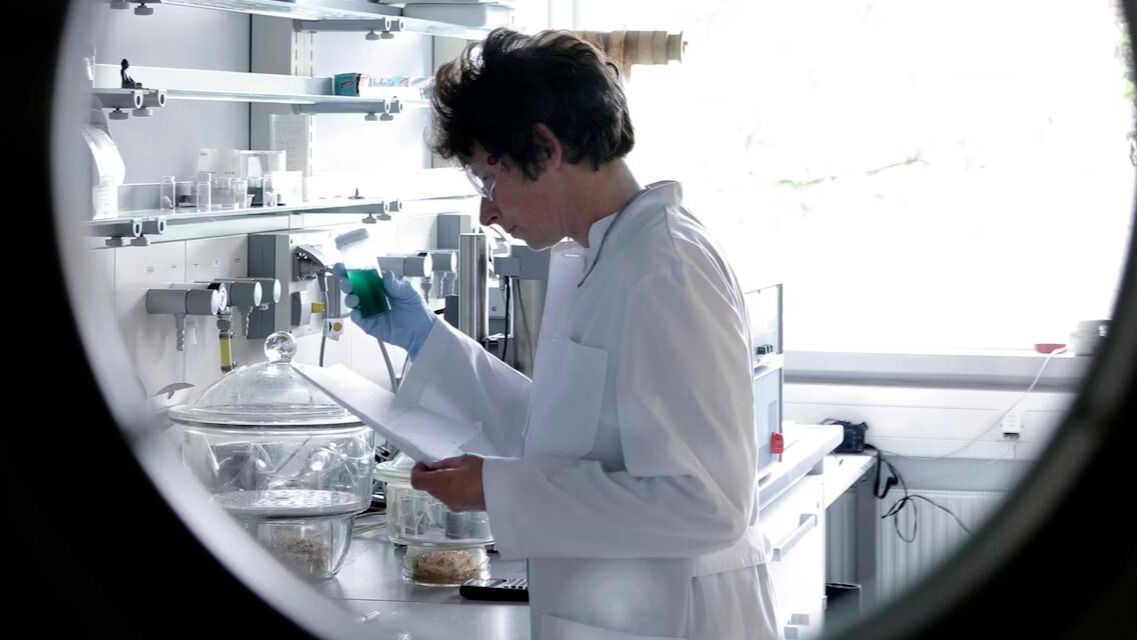
The scientific community in the United States is grappling with severe setbacks as funding cuts from the Trump administration threaten the future of research. In 2025, significant disruptions occurred, including the suspension of critical operations at the National Institutes of Health (NIH) and the termination of billions of dollars in grants that supported a broad range of scientific projects. This situation not only jeopardizes ongoing studies but also undermines the nation’s capacity to address pressing health and environmental challenges.
In January, key operations at the NIH were abruptly halted, affecting clinical trials and essential research activities. Concurrently, executive orders were issued that limited the scope of scientific inquiry, declaring only two sexes and dismantling diversity, equity, and inclusion (DEI) programs. Researchers faced additional hurdles as the administration removed public data on health disparities and climate change, crucial for informed research.
As the year progressed, federal support for research infrastructure was sharply reduced. Many universities lost vital funding, leading to a ripple effect across various scientific disciplines. Several federal agencies, including the Environmental Protection Agency (EPA) and NASA, experienced downsizing or were dismantled altogether.
Impact on Research and Community Health
Researchers have voiced their concerns about the adverse impacts of these funding cuts. According to Carrie McDonough, an Associate Professor of Chemistry at Carnegie Mellon University, her laboratory’s project on chemical safety assessments was terminated just two months into a $1.5 million grant from the EPA. This cancellation halted research on the health risks of synthetic chemicals, which are poorly understood yet ubiquitous in daily life. McDonough highlighted that the disruption has significant implications for the training of early-career scientists, with many losing opportunities in federal research labs.
In the field of addiction treatment, Cara Poland, an Associate Professor at Michigan State University, lamented a 60% cut in federal funding for her program that trains healthcare practitioners to address addiction. With rising addiction-related deaths across the country, Poland expressed concern that fewer trained professionals could lead to preventable fatalities, emphasizing the personal toll of such losses.
Climate resilience projects have also suffered. Brian G. Henning, a Professor at Gonzaga University, described how a $19.9 million EPA grant intended to bolster community infrastructure against climate challenges was rescinded. This decision affects public facilities in Spokane and deprives around 300 low-income households of critical HVAC system updates, exacerbating vulnerabilities to extreme weather events.
Challenges for Marginalized Communities and Future Scientists
The cuts have disproportionately impacted research concerning marginalized communities. Nathaniel M. Tran, an Assistant Professor at the University of Illinois Chicago, reported that projects focused on LGBTQ+ health were prematurely terminated, wasting substantial public funds. The administration’s decision to halt the collection of demographic data further undermined efforts to address health disparities within this community. Despite these setbacks, Tran remains committed to advocating for equitable public health initiatives.
In pediatric cancer research, Rachael Sirianni of UMass Chan Medical School noted the devastating consequences of federal funding reductions. With approximately 25% of previous funding, her lab is unable to complete critical studies or pursue new avenues for treatment. The loss of trained personnel and technology stifles innovation and discourages future scientists from entering the field.
Lastly, Stephanie Nawyn, an Associate Professor of Sociology at Michigan State University, highlighted the broader implications of these terminations. The dismantling of programs aimed at improving workplace equity within academia could have long-lasting effects on the culture of scientific inquiry in the U.S.
The collective sentiment among researchers is one of resilience and determination. While the cuts threaten years of progress, many remain committed to continuing their vital work despite limited resources. The future of American science hangs in the balance, with researchers advocating for increased funding and support to rebuild a system that serves all communities effectively.
As the impact of these changes unfolds, it is clear that the stakes are high—not just for researchers, but for society at large, which relies on science for health, safety, and progress.