UPDATE: Growing calls for a national moratorium on new data centers are escalating as local communities push back against environmental concerns. These developments come amidst alarming reports of increased energy consumption, water resource strain, and soaring electricity prices linked to the rapid expansion of data centers across the United States.
Local groups, spurred by a coalition of over 230 environmental and community organizations and led by Senator Bernie Sanders, are demanding immediate action. The coalition argues that the proliferation of data centers presents one of the most pressing environmental threats in recent generations. “This expansion is rapidly increasing demand for energy, driving more fossil fuel pollution, straining water resources, and raising electricity prices,” the letter to Congress states.
As the construction of new data centers is set to escalate in 2026, communities nationwide are uniting against what they view as corporate exploitation. Activist groups assert that the technology sector, particularly wealthy tech leaders, is prioritizing profit over public welfare. “A small group of wealthy and powerful tech companies are exploiting essential resources while pushing risks and costs onto the public,” said Jim Walsh, policy director at Food & Water Watch.
In a recent CNN interview, Sanders emphasized the urgency of a moratorium, stating, “It’s not good enough for the oligarchs to tell us ‘you adapt.’” He highlighted the need for policymakers to catch up with the pace at which tech companies are expanding AI infrastructure without considering the consequences for working-class citizens.
The data center boom began in 2025, becoming a divisive issue among communities as tech giants, such as OpenAI, rush to capitalize on AI advancements. Data centers are projected to triple energy demand from 2023 to 2028, consuming as much electricity as 28 million U.S. households, according to Walsh’s analysis. Regions hosting data centers have witnessed a staggering 250 percent increase in electricity prices over the past five years, with average U.S. energy costs expected to rise at least 8 percent by 2030.
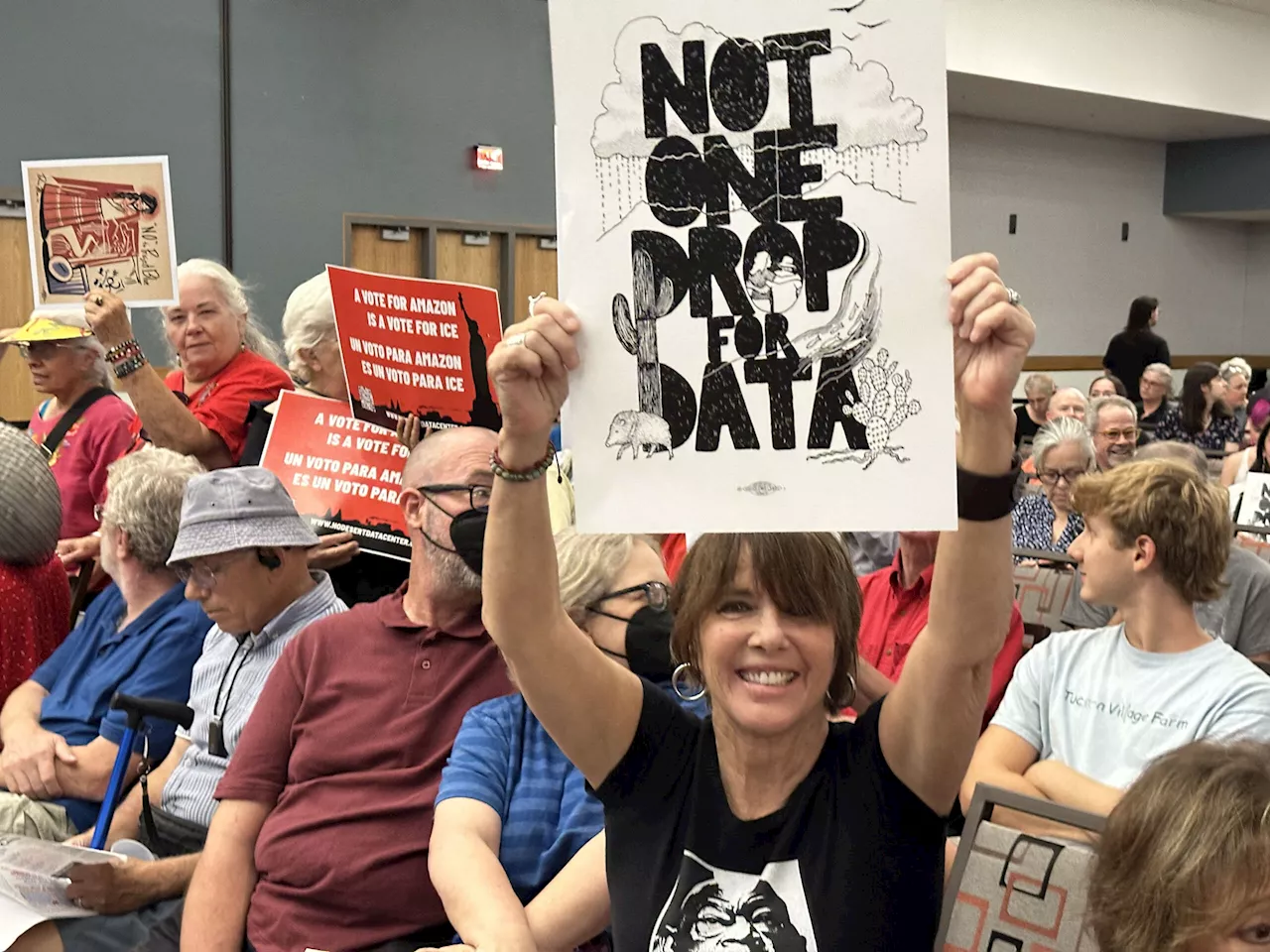
Local communities from **Arizona** to **Michigan** are rallying against proposed data centers, with residents expressing concerns over secret negotiations between state officials and utility companies. For example, in **Saline, Michigan**, residents protested what they labeled “secret deals” that would facilitate a massive data center project. Similarly, the **No Desert Data Center Coalition** is actively opposing the proposed **Project Blue** in southern Arizona, emphasizing the environmental implications of such developments.
The backlash against data centers is not only a local issue; it reflects wider societal concerns regarding the unchecked power of major tech companies. As more communities mobilize against new constructions, this grassroots movement highlights a growing awareness of the environmental and social consequences of rapid technological advancements.
Amidst this mounting tension, lawmakers across all 50 states are taking notice. In 2025, at least 238 data center-related bills were considered, resulting in over 40 enacted laws across 21 states. While local moratoriums are gaining traction, the call for a national moratorium signifies a critical turning point in the ongoing struggle between community needs and corporate interests.
As this situation develops, communities are urged to remain vigilant and engaged, as the future of their local environments hangs in the balance. The fight against data centers is poised to intensify, capturing national attention and potentially reshaping policies around AI infrastructure and environmental protection.