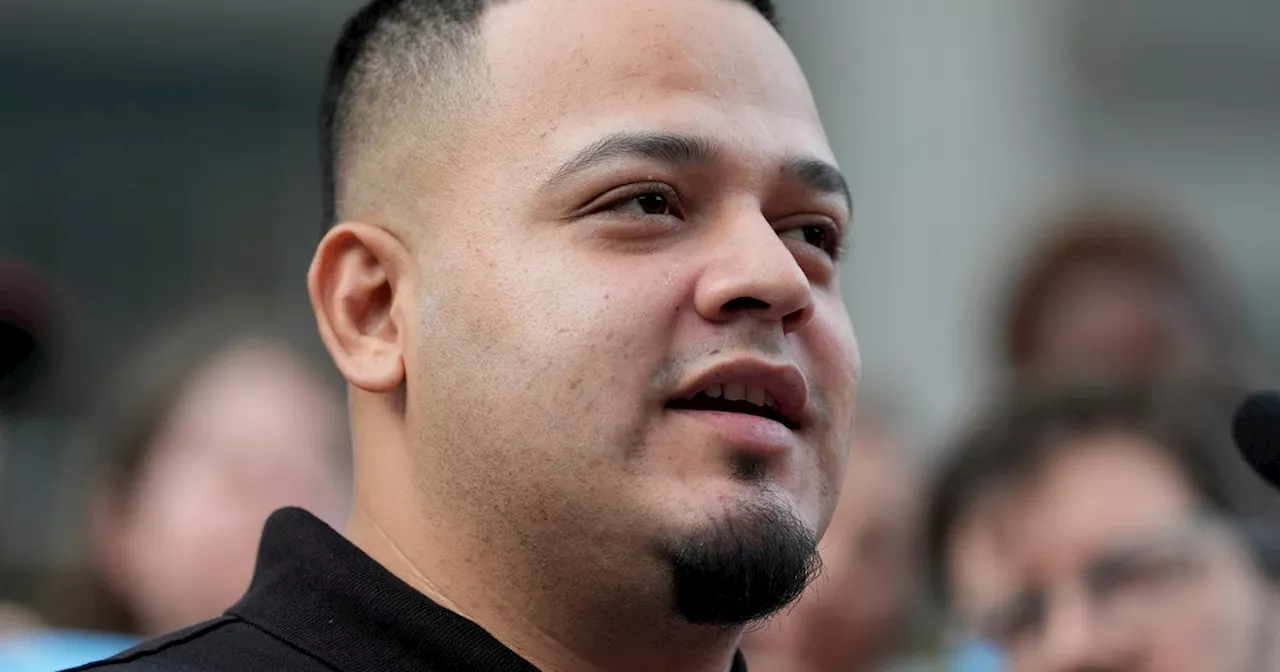
A recently unsealed court order has brought to light significant details regarding the prosecution of Kilmar Abrego Garcia, specifically indicating that the U.S. Department of Justice (DOJ) prioritized charges against him only after he contested his wrongful deportation. The order, issued by U.S. District Judge Waverly Crenshaw of Tennessee, portrays a coordinated effort within the Trump administration to prosecute Abrego Garcia on smuggling allegations, labeling it a “top priority” after his deportation to El Salvador.
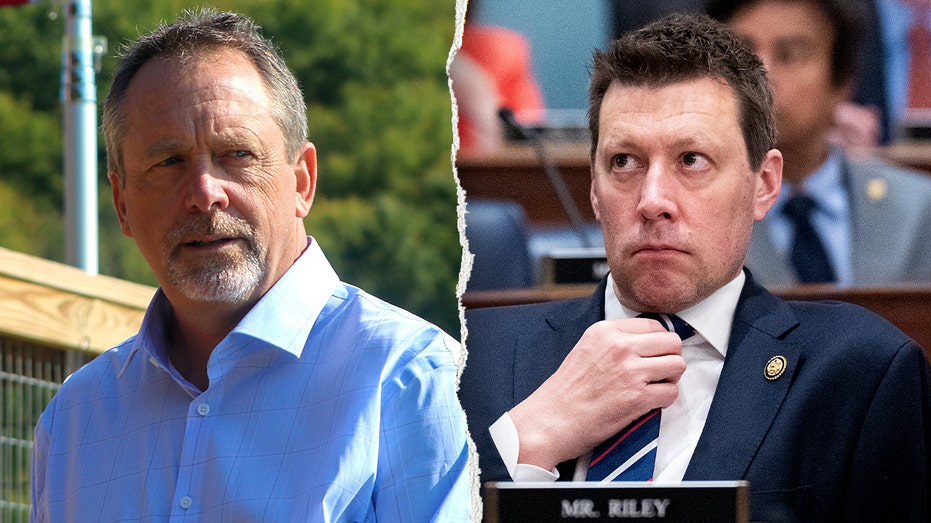
The December 3 order revealed that high-ranking DOJ officials in Washington were involved in the decision-making process surrounding Abrego Garcia’s case. Notably, on April 27, Aakash Singh, a deputy under Todd Blanche, contacted officials including then-Acting U.S. Attorney for the Middle District of Tennessee, Rob McGuire, to discuss the case. This communication took place just days after Abrego Garcia’s deportation on March 15, 2024.
According to the court order, Singh emphasized the case’s urgency, declaring it a “top priority” on April 30. Subsequently, McGuire indicated in an email on May 15 that he hoped to involve the Office of the Deputy Attorney General (ODAG) in the decision-making process about possible charges. He noted, “Ultimately, the office’s decision to charge will land on me,” while acknowledging that the desire for a quick resolution was communicated from higher-ups within the DOJ. Abrego Garcia was ultimately indicted by a grand jury on May 21.
Judge Crenshaw, in his order, pointed out that McGuire was not alone in making the prosecutorial decision, suggesting that it may have been a collective choice involving multiple officials within the DOJ. The judge has since been reviewing a request from Abrego Garcia’s legal team to dismiss the charges on the grounds of vindictive prosecution, having already noted that evidence presented could suggest such motives were at play.
The DOJ has refrained from commenting on the specific details of the order. Crenshaw is currently weighing whether the prosecution can adequately refute the preliminary findings that suggest vindictiveness influenced the decision to charge Abrego Garcia. He has mandated that the DOJ produce relevant documents, including emails from Singh, by a specified date.
Abrego Garcia’s legal troubles began when he was deported despite a prior immigration judge’s ruling in 2019, which had granted him protection from being sent back to his native country. Following his deportation, he was initially confined in a notorious prison in El Salvador. After he challenged his deportation in court, a federal judge in Maryland ruled in his favor, leading to his return to the United States in June 2024 to face federal charges related to human smuggling. He has pleaded not guilty.
His defense contends that the government’s decision to prosecute him was retaliatory, stemming from his legal efforts to contest the deportation. The administration has denied these claims, asserting that there was no intent to punish Abrego Garcia for his court challenges.
Earlier this month, Abrego Garcia was released from Immigration and Customs Enforcement custody after Judge Paula Xinis determined that there was no valid deportation order justifying his detention. He has since remained in Maryland with his American citizen wife and child. Judge Xinis has requested the Trump administration to provide a sworn declaration by an upcoming deadline, clarifying whether they intend to re-detain Abrego Garcia and under what legal authority.
The developments in this case highlight ongoing tensions and complexities surrounding deportation and prosecution policies, particularly as they relate to individuals who challenge their deportation orders in the U.S. legal system.