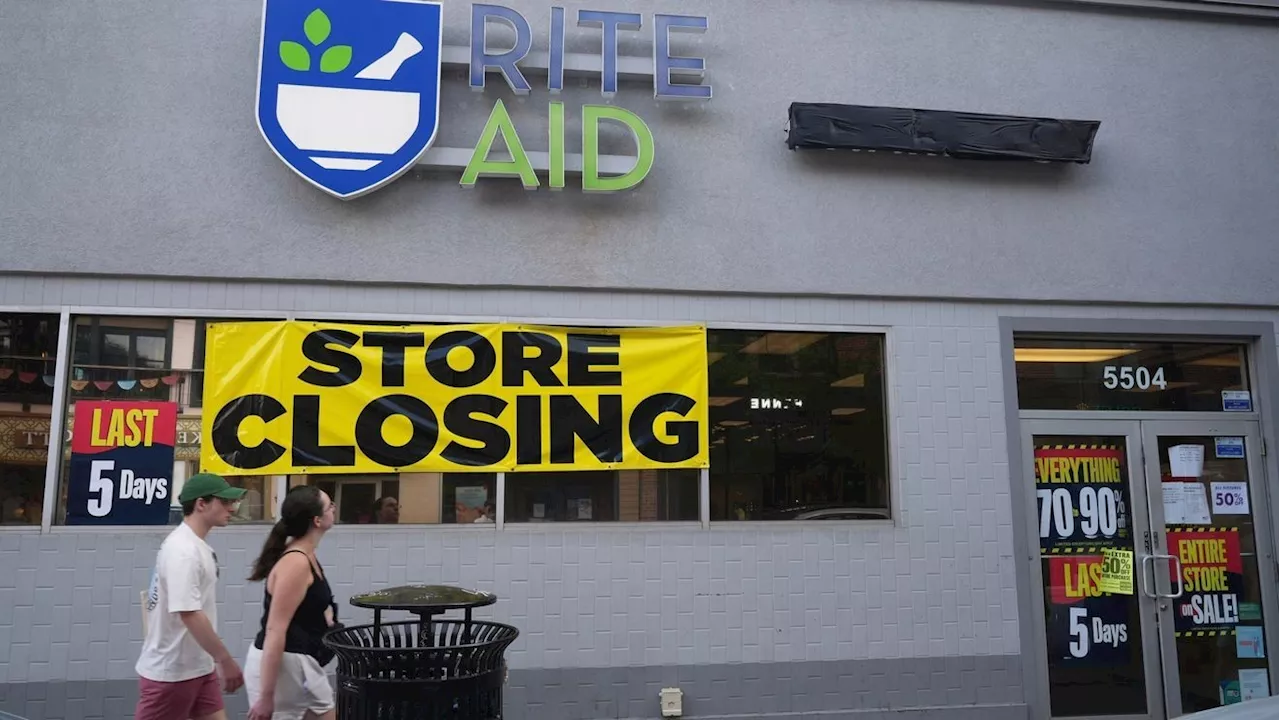
The retail sector experienced a challenging year in 2025, marked by a significant increase in store closures. According to data from Coresight Research, the industry saw a staggering 12% rise in store closures compared to the previous year. Despite this troubling trend, experts predict a more optimistic outlook for 2026, with plans for more store openings than closures.
Deborah Weinswig, a retail expert, expressed confidence in the sector’s recovery. She noted that while store openings dropped by 11% this year, projections indicate that 1,118 planned openings are set to outpace the 566 planned closures in 2026. This shift suggests a potential rebound in consumer spending and retail expansion.
Retailers specializing in discount merchandise, often referred to as “off-pricers,” such as Burlington, T.J.Maxx, and Ross Dress for Less, have gained notable market share. These stores appeal to cost-conscious consumers who seek value, especially as inflation impacts discretionary spending. Weinswig highlighted that the retail landscape is evolving, with a focus on enhancing the shopping experience rather than merely expanding physical space.
“It’s not necessarily about the size of the store,” Weinswig explained. “The consumer is willing to shop different sizes and drive different distances based on the experience offered.” This adaptability is critical as gas prices fluctuate and consumers become more selective about where they shop.
Despite the anticipated growth, not all sectors within retail are faring well. Weinswig pointed out that the pharmacy segment is facing mounting challenges. After Rite Aid closed nearly 1,300 locations this year, she warned that additional pharmacy closures are likely in 2026. High operating costs and shifting consumer preferences toward lower-margin pharmacy sales are putting pressure on these establishments.
The Coresight Research report revealed that other notable retailers, including Joann, Party City, Big Lots, Walgreens, and CVS, also made the list of companies with significant closures. In contrast, Dollar General emerged as a leader in new store openings, launching 611 new locations while closing 271 this year.
Retailers are increasingly leveraging technology to navigate these turbulent times. Weinswig noted that artificial intelligence is enabling companies like Dollar General to respond more swiftly to market dynamics. “We’re starting to see faster decisions getting made in retail,” she remarked. This shift towards data-driven decision-making may have helped some retailers avoid the closures that plagued others.
Reflecting on the challenges faced by the industry, Weinswig emphasized the importance of strategic discipline. Many retailers lost focus on managing expenses, leading to prolonged store operations that may have been unsustainable. “Sometimes the tactical can eat your lunch,” she said, indicating that a lack of strategic foresight can have dire consequences.
As the retail landscape continues to evolve, the shift in consumer behavior and the strategic use of technology will play crucial roles in shaping the industry’s future. With a focus on providing valuable experiences and adapting to changing market conditions, 2026 may herald a new chapter for retail, one that balances physical presence with innovative service offerings.