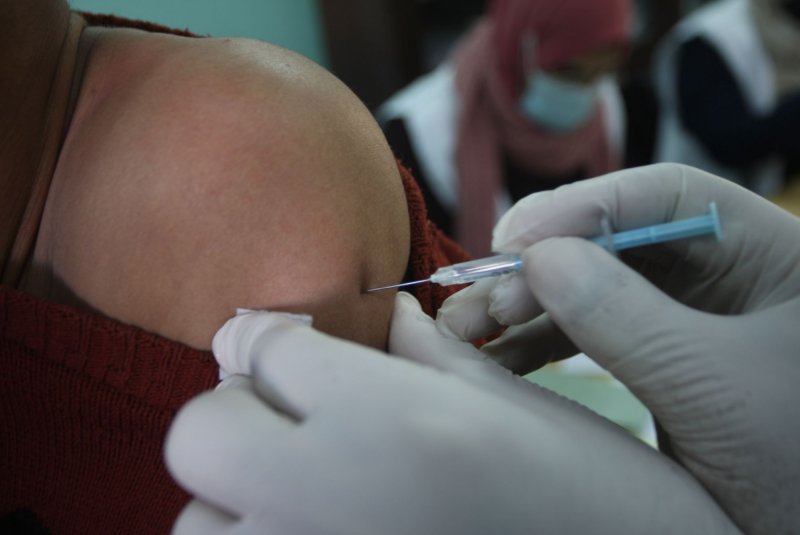
A panel from the Centers for Disease Control and Prevention (CDC) has announced plans to review the use of aluminum salts in vaccines during 2024. This decision comes despite widespread consensus among medical experts regarding the safety and necessity of these additives. Aluminum salts have been utilized for nearly a century as adjuvants, enhancing the body’s immune response to vaccines. Approximately half of the childhood vaccines in the United States, including those for hepatitis B, diphtheria, and tetanus, contain these compounds.
Concerns regarding aluminum salts have been amplified by vaccine skeptics, including prominent figures such as Robert Kennedy Jr.. Kennedy has long suggested a potential link between aluminum in vaccines and rising rates of autism and childhood allergies. During a speech at the National Governors Association meeting on July 26, 2023, he stated, “We need to look at the aluminum in the vaccines to see if that has anything to do with this explosion of allergies that began in 1989, which was the year they expanded the vaccine schedule.”
Shifts in Advisory Committee Leadership and Recommendations
The Advisory Committee on Immunization Practices (ACIP) recently stirred controversy by voting 8-to-3 to end the automatic recommendation for hepatitis B vaccination in newborns. This practice has been credited with reducing childhood infections of the virus by 99% since 1991, resulting in only seven cases reported in 2023. This vote followed a significant leadership change when Kennedy appointed a new committee, comprising members who share his skeptical views on vaccines.
At the ACIP meeting on December 5, 2023, suggestions were made to investigate the safety of aluminum salts further. Evelyn Griffin, an obstetrician-gynecologist from New Orleans, presented findings suggesting that injected aluminum could accumulate in various organs, potentially resulting in chronic fatigue among other health issues. This assertion has been met with skepticism from many health experts.
Dr. Peter Hotez, co-director of the Texas Children’s Hospital Center for Vaccine Development, voiced concerns that the current ACIP members are not adequately qualified and are selectively interpreting data to support preconceived notions. He stated, “The ACIP has ceased to be a reliable source for anything vaccine related, and their recommendations should be ignored.” He emphasized that the American Academy of Pediatrics and several state coalitions have begun to issue independent recommendations based on robust scientific evidence.
Scientific Research and Public Health Implications
The implications of removing aluminum salts from vaccines are significant. Experts warn that such a move would necessitate reformulating the vaccines and conducting extensive testing, a process that could take up to a decade. Dr. Hotez pointed out the urgent need for reliable vaccine policies, cautioning that the current trajectory could lead to increased vulnerability to vaccine-preventable diseases.
In a counter to the claims made by Kennedy and others, a study published in the Annals of Internal Medicine in July evaluated health records of 1.2 million children born in Denmark between 1997 and 2018. The study found no evidence linking vaccine additives, including aluminum, to health conditions such as asthma, allergies, or neurodevelopmental disorders.
Dr. Seth Ari Sim-Son Hoffman, an infectious disease specialist at Stanford University, corroborated this research. He explained that their comprehensive review included nearly a century of safety data and concluded that “we found no credible evidence linking aluminum salt-adjuvanted vaccines to any safety signal.”
Moreover, concerns about aluminum accumulation were addressed in studies involving preterm infants, which indicated no significant changes in blood aluminum levels post-vaccination. Dr. Hoffman noted that vaccines containing aluminum adjuvants are crucial for their effectiveness and that removing them without suitable alternatives would leave populations at risk of serious diseases.
As the CDC prepares for its review, the discussion surrounding aluminum salts in vaccines continues to polarize public opinion. The outcomes of this examination could have substantial implications for vaccine policy and public health in the United States and beyond.