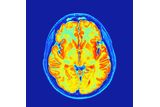
Approximately one in ten children are diagnosed with attention deficit hyperactivity disorder (ADHD), according to the Centers for Disease Control and Prevention (CDC). Many of these children rely on prescription medications like Ritalin and Adderall to manage symptoms associated with the disorder, such as inattentiveness and impulsivity. However, new research suggests that these stimulants may not primarily target attention networks as previously believed. Instead, findings published in the journal Cell indicate that these medications primarily engage the brain’s reward and wakefulness centers.
To understand how stimulants affect the brain, researchers at the Washington University School of Medicine in St. Louis conducted a comprehensive analysis using data from the Adolescent Brain Cognitive Development (ABCD) Study. They compared MRI results from 5,795 children aged 8 to 11, including 337 who had taken stimulants on the day of the scan and 76 who had a prescription but had not taken medication that day. The remainder had not been prescribed stimulants.
The researchers observed minimal differences in brain regions associated with attention, such as the dorsal attention network and prefrontal cortex, between those who had taken stimulants and those who had not. However, they found significant variations in areas linked to reward and wakefulness. This suggests that rather than enhancing focus, these medications may increase motivation and drive.
Dr. Nico U. Dosenbach, the David M. & Tracy S. Holtzman Professor of Neurology at Washington University, highlighted this finding: “Essentially, we found that stimulants pre-reward our brains and allow us to keep working at things that wouldn’t normally hold our interest — like our least favorite class in school, for example.”
The research challenges conventional understanding of ADHD treatment. Dr. Benjamin Kay, an assistant professor of neurology at the same institution, remarked, “I prescribe a lot of stimulants as a child neurologist, and I’ve always been taught that they facilitate attention systems to give people more voluntary control over what they pay attention to. But we’ve shown that’s not the case.” He explained that improvements in attention are secondary effects of enhanced alertness and increased task reward.
In a follow-up study involving five adults without ADHD, researchers found similar results, with areas of the brain associated with reward and wakefulness activating in response to the medication.
Link Between Sleep and Stimulant Effectiveness
The ABCD Study also provided insights into the relationship between sleep and ADHD medication. Children diagnosed with ADHD and those who did not get the recommended 9 hours of sleep benefited from stimulants. Notably, sleep-deprived children who took the medication performed better academically than their counterparts who did not take medication, regardless of whether they had an ADHD diagnosis.
In contrast, stimulants had no significant impact on neurotypical children who received adequate rest. Dr. Kay cautioned that while medications might alleviate symptoms like inattentiveness, they should not be viewed as substitutes for sleep. “Not getting enough sleep is always bad for you, and it’s especially bad for kids,” he said. He urged clinicians to factor in sleep patterns when diagnosing ADHD.
This study serves as a crucial reminder about the importance of adequate sleep in children and the complexities of ADHD treatment.
This article is intended for informational purposes only and does not offer medical advice.
The findings highlight the ongoing evolution of understanding ADHD and its treatment, emphasizing the need for comprehensive approaches that consider both medication and lifestyle factors.