Iran has appointed a new central bank governor in response to an escalating economic crisis that has led to mass protests across the country. On March 15, 2024, President Masoud Pezeshkian announced the appointment of Abdolnasser Hemmati, a former economics minister, to lead the Central Bank of the Islamic Republic of Iran. His appointment follows the resignation of Mohammad Reza Farzin just days after a significant decline in the value of the Iranian rial, which has sparked some of the largest protests the nation has seen in three years.
The Iranian currency reached a record low of 1.38 million rials against the U.S. dollar on the day of Hemmati’s appointment. In comparison, the dollar traded at approximately 430,000 rials when Farzin took office in 2022. The steep depreciation of the rial, coupled with a staggering 40% inflation rate, has led to widespread public discontent and unrest, as citizens face rising prices for essential goods.
Public Response and Economic Challenges
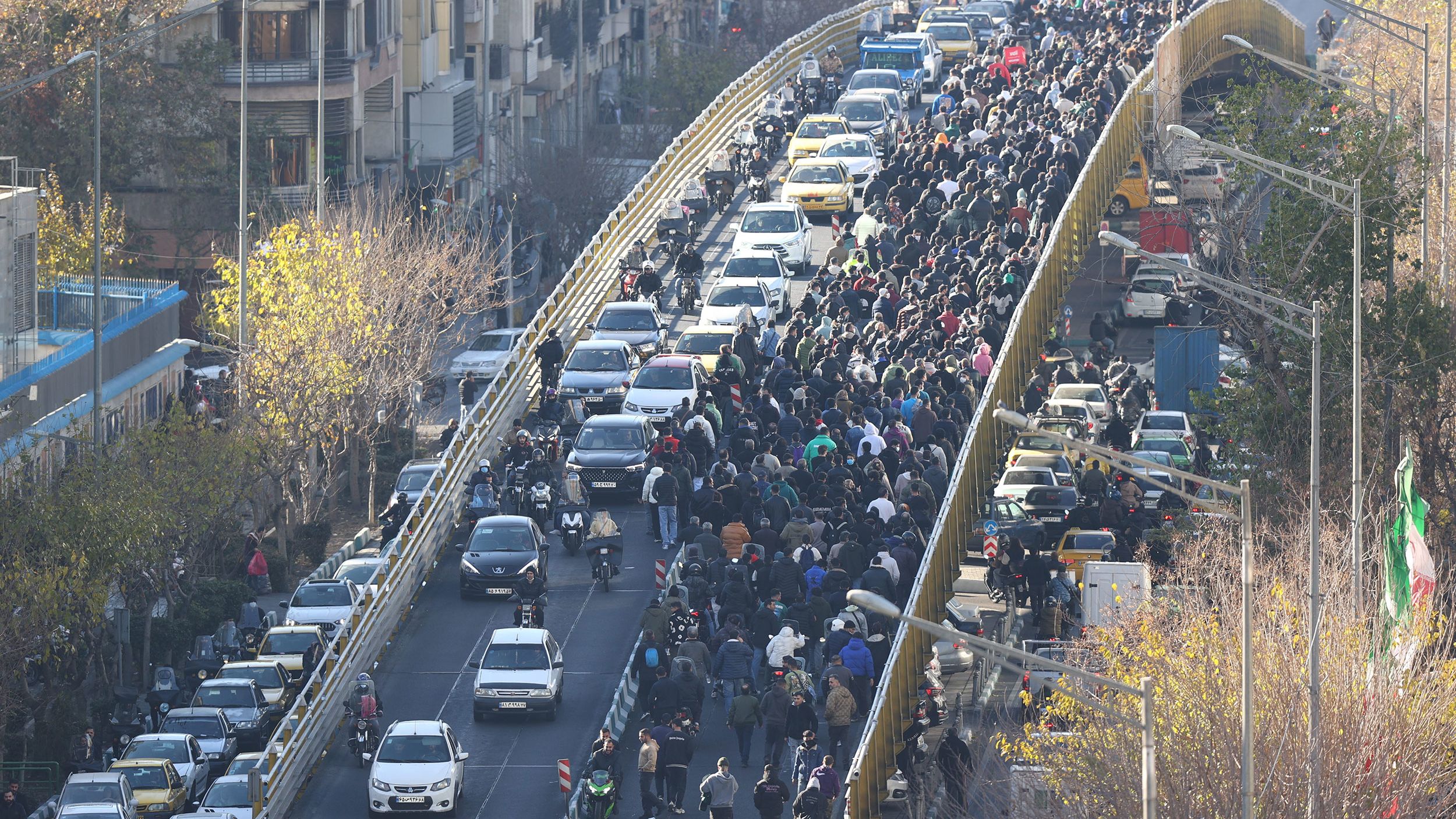
The protests erupted following the rial’s dramatic decline, with many traders and shopkeepers closing their businesses on March 10 and taking to the streets in cities such as Tehran, Shiraz, and Kermanshah. The rising cost of living has strained household budgets, particularly due to the ongoing effects of Western sanctions related to Iran’s nuclear program.
Hemmati’s agenda as the new central bank governor will focus on controlling inflation and strengthening the currency. Government spokeswoman Fatemeh Mohajerani indicated that addressing the mismanagement of banks will also be a priority. Hemmati, 68, previously served as Minister of Economic and Financial Affairs but faced dismissal from parliament in March 2024 due to allegations of mismanagement that allegedly weakened the rial.
The situation has been complicated by rising gasoline prices, which are expected to exacerbate inflation further. In light of the unrest, Mohammad Movahedi Azad, Iran’s Prosecutor General, emphasized the government’s determination to respond firmly against any attempts to escalate protests into violence or unrest, as reported by the Mizanonline news outlet.
Historical Context and Future Implications
The current economic situation in Iran can be traced back to the 2015 nuclear accord, which lifted international sanctions in exchange for stringent controls on the country’s nuclear program. At that time, the U.S. dollar traded at approximately 32,000 rials. The agreement began to unravel after former President Donald Trump withdrew the United States from the deal in 2018, leading to renewed sanctions and economic hardship.
As protests continue, the Iranian government faces mounting pressure to stabilize the economy. Local reports indicate that protests have turned violent, with crowds allegedly breaking into the governor’s office in the southern city of Fasa, resulting in injuries to three policemen and the arrest of four protesters. Witnesses reported that merchants and traders have maintained their closures in major bazaars, reflecting the ongoing tension in the country.
In this challenging environment, the ability of the new central bank governor to implement effective economic policies will be critical in addressing the immediate concerns of the Iranian populace and restoring confidence in the nation’s currency.