Ukrainian and European officials have firmly dismissed Russia’s allegations that Ukraine attempted a drone attack on President Vladimir Putin’s residence in the Novgorod region. The claims, made by Russian Foreign Minister Sergei Lavrov, risk complicating ongoing peace negotiations led by the United States as the new year approaches. Lavrov asserted that dozens of drones were utilized in the alleged attack and stated that Moscow would reassess its negotiating stance in light of these events.
Reports from U.S. national security officials contradict Moscow’s narrative, indicating that Ukraine did not target Putin or any of his residences. According to the Wall Street Journal, this conclusion is supported by an assessment from the CIA, which found no evidence of an attempted strike on Putin. A CIA spokesperson was unavailable for immediate comment.
Initially, former U.S. President Donald Trump expressed sympathy towards Russia’s claims, stating that Putin had informed him of the incident and that the Russian leader was “very angry.” By midweek, Trump appeared to adopt a more skeptical stance, sharing a New York Post editorial that accused Russia of obstructing peace in Ukraine.
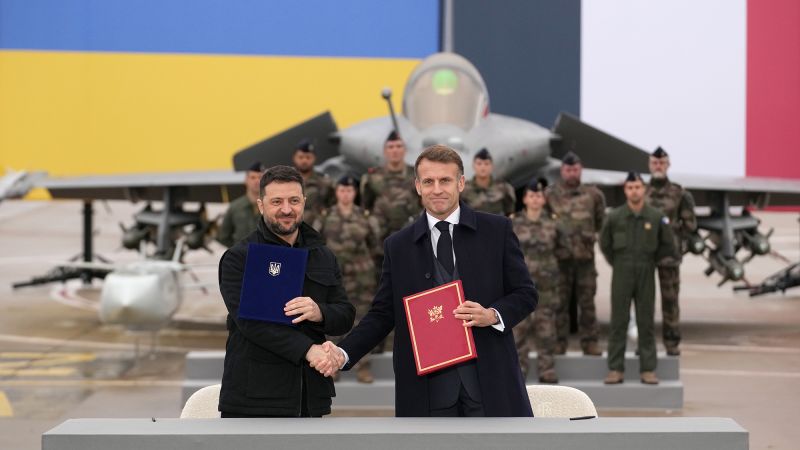
Ukraine has categorically denied any involvement in a drone attack, labeling the allegations as a disinformation campaign orchestrated by Russia. Ukrainian officials argue that the claims aim to create discord between Kyiv and Washington, particularly following a productive meeting between Trump and Ukrainian President Volodymyr Zelenskiy in South Florida.
In a briefing paper distributed to European Union delegations, Ukraine accused Russia of attempting to undermine the agreements reached during the Trump-Zelenskiy meeting. The EU’s top diplomat, Kaja Kallas, characterized Russia’s assertions as a “deliberate distraction,” emphasizing that no one should believe unfounded claims from an aggressor responsible for indiscriminately targeting Ukrainian infrastructure and civilians.
As of midweek, there was no independent verification of the alleged attack. Yet, the contrasting narratives from both sides highlight their efforts to influence Trump’s perceptions regarding the ongoing conflict in Ukraine, which has now persisted for nearly four years. Former U.S. ambassador to NATO, Kurt Volker, stated, “There is no evidence” that Putin genuinely seeks peace or desires Ukraine’s success, contradicting Trump’s previous comments after speaking with the Russian leader.
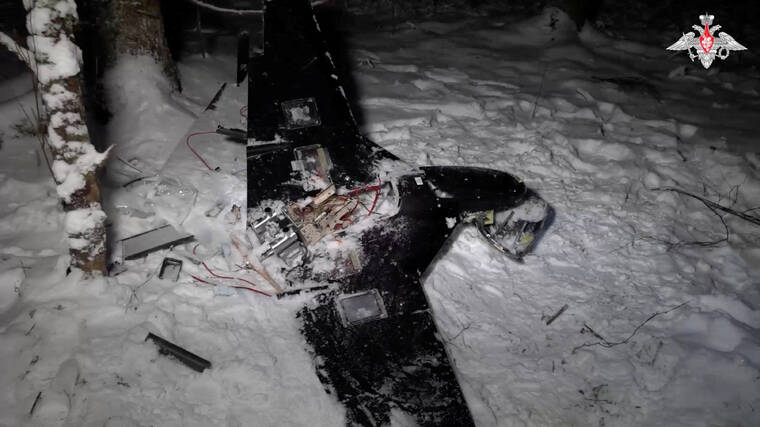
On Wednesday, Russia’s defense ministry released video footage purportedly showing Major General Alexander Romanenkov detailing how Ukraine allegedly attacked Putin’s Novgorod residence. The footage featured a Russian serviceman alongside fragments of a drone purported to be a downed Ukrainian Chaklun-V, equipped with a non-detonated explosive device. Ukraine’s foreign ministry dismissed this footage, expressing “absolute confidence” that no such attack occurred.
Prior to Lavrov’s accusations, Novgorod Governor Alexander Dronov reported that air defenses and fighter jets were successfully intercepting Ukrainian drones. Trump suggested the possibility that the alleged attack could be a Russian false flag operation, although he has at times seemed willing to accept controversial statements from Putin without question.
This debate surrounding the alleged attack coincides with quiet discussions among some Western intelligence officials who believe that Russia may be attempting to delay further punitive measures from Washington aimed at compelling Moscow to negotiate a peace settlement. As of now, it remains unclear whether the U.S. intelligence community has made any formal assessment regarding the alleged incident or has shared relevant findings with Congress.
In the briefing paper shared by Ukraine, officials noted that multiple Russian representatives made strikingly similar comments shortly after the alleged attack, suggesting pre-coordination among Moscow’s officials. Additionally, residents near Putin’s Novgorod residence reported to local media that they heard no sound of air defenses during the time of the supposed attack.
The Russian defense ministry has provided varying accounts of the alleged drone incidents. In a statement released on Sunday via the Telegram messaging platform, the ministry claimed that 89 long-range Ukrainian drones were intercepted nationwide, including 18 over the Novgorod region. However, there was no specific mention that any of these incidents related to an attack on Putin’s residence. By Monday afternoon, the ministry issued a revised statement claiming that its air defenses had intercepted 91 drones bound for Putin’s residence, including 41 over Novgorod, raising questions about the consistency of their reporting.
As the situation unfolds, the implications of these accusations and the responses from Ukraine and European officials could significantly impact diplomatic efforts and the broader context of the conflict in Ukraine.