As the United States approaches the 250th anniversary of its founding on January 1, 2026, Dexter Southfield School in Brookline, Massachusetts, is set to celebrate its own milestone: the centennial of its establishment. This year of significant anniversaries serves as a powerful reminder of the importance of history and civic engagement. Historian David McCullough once stated, “History is who we are and why we are the way we are,” a sentiment that resonates deeply as society reflects on its past and contemplates its future.
Reflecting on the Past and Embracing Responsibility
The approach of these anniversaries compels individuals to consider their role in shaping history. McCullough highlighted the vibrancy of the past, noting that within it lies a tapestry of lives filled with struggle, debate, and perseverance. This perspective is especially relevant today, as civic participation is often overshadowed by performative actions rather than genuine engagement.
McCullough contended that a healthy democracy thrives when citizens recognize the fragility of its institutions and remain actively involved. He asserted that true patriotism arises from practice rather than mere declaration. Founded in 1926, Dexter Southfield was established by families who understood education as a means not only to achieve personal success but also to cultivate responsible citizenship.
Lessons from History and Civic Engagement
Among the notable alumni of Dexter Southfield is former President John F. Kennedy. Before he became a national leader, Kennedy was influenced by the school’s emphasis on history, public speaking, debate, and community service. The values instilled in him, such as standing up for the greater good, played a pivotal role in his leadership journey.
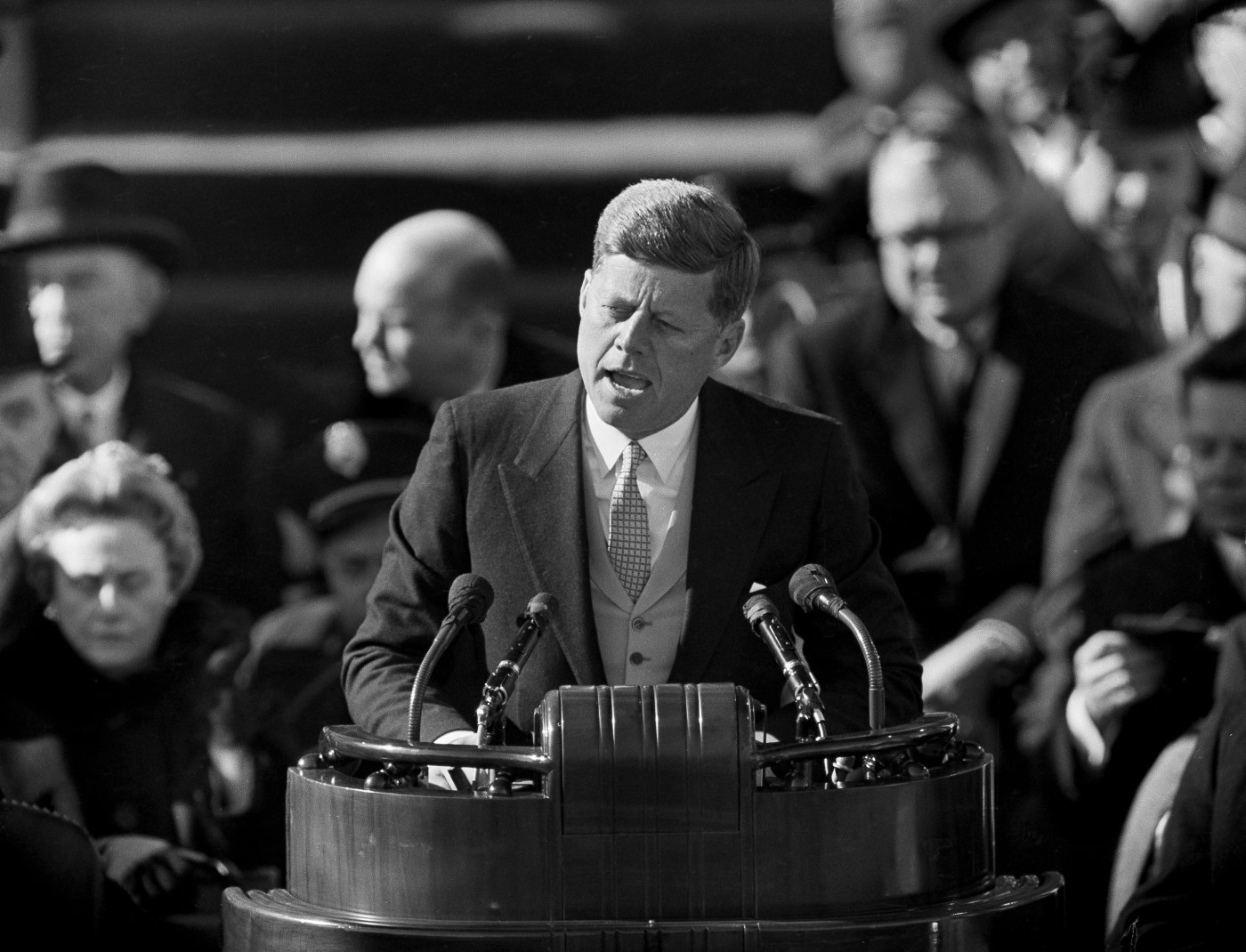
In his inaugural address in 1961, Kennedy famously challenged Americans to “ask not what your country can do for you, ask what you can do for your country.” This call to action remains relevant today, echoing McCullough’s belief that democracy relies on the active involvement of its citizens in community discussions and initiatives.
As the nation prepares to honor its history alongside the centennial of Dexter Southfield, the lessons of the past come into sharp focus. McCullough described himself as a “short-term pessimist and a long-term optimist,” acknowledging the challenges that lie ahead while emphasizing the potential for progress through engagement.
History is not merely a record of what has transpired; it is a living legacy entrusted to those willing to learn from it and apply its lessons. The torch of progress, as Kennedy articulated, continues to be passed through our classrooms, communities, and daily choices. As the milestone year of 2026 approaches, individuals are called upon to embrace this inheritance with both gratitude and courage.
In a time when civic life is crucial to the sustainability of the nation, the responsibility to honor the past and actively participate in shaping the future has never been more pressing. History demands engagement, and it is through our collective actions that we can ensure the values of democracy endure.
Dr. Peter F. Folan, Head of School at Dexter Southfield, underscores this message as the institution prepares to celebrate its centennial alongside the nation’s 250th anniversary. The call to participate in civic life is not just a reflection of past sacrifices; it is a commitment to the future of democracy.