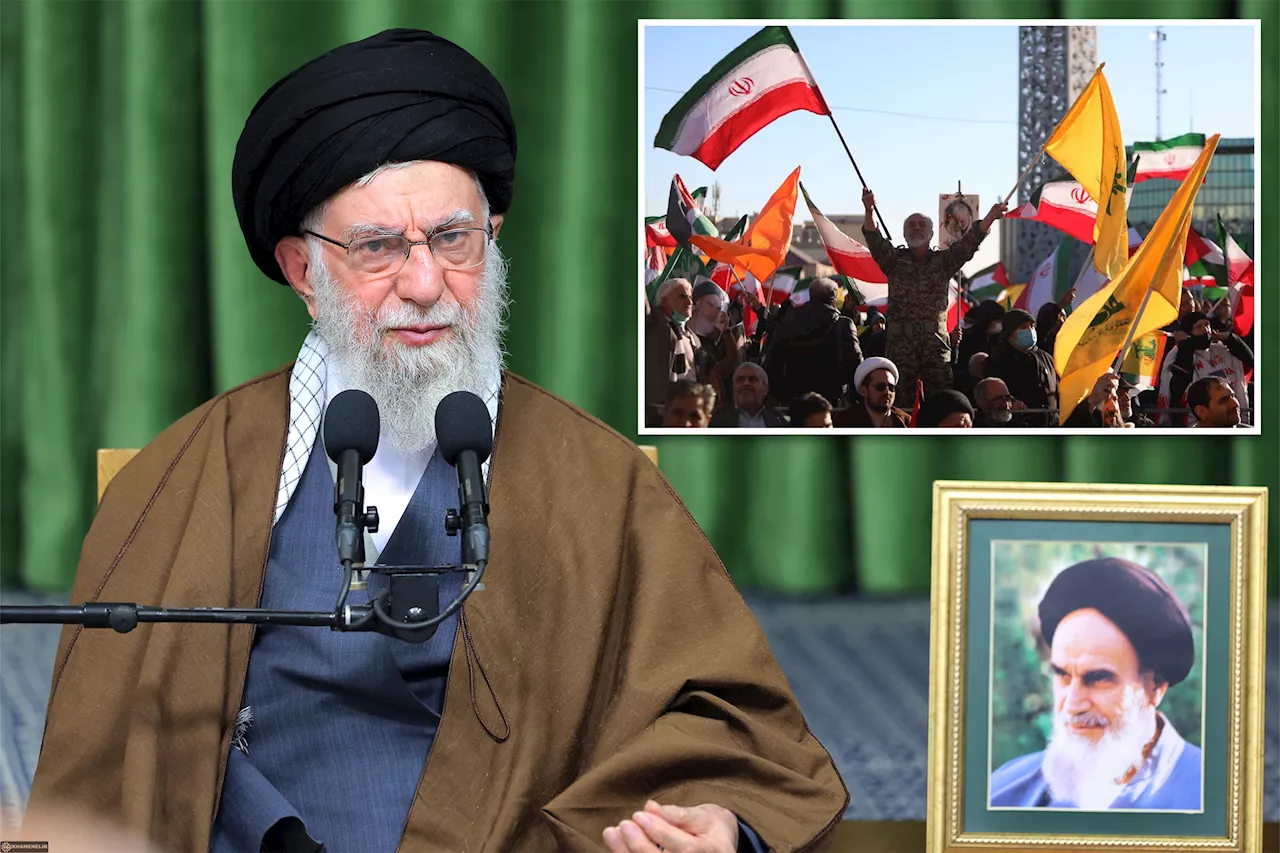
Public demonstrations have erupted across Iran, with protesters calling for the resignation of Supreme Leader Ayatollah Ali Khamenei. On December 27, 2023, a government-ordered shutdown led to the closure of businesses, universities, and government offices in 21 of the country’s 31 provinces, including the capital, Tehran. This unprecedented action comes as widespread discontent grows over political and economic crises, characterized by rampant inflation and declining living standards.
Video footage shared by the People’s Mojahedin Organization of Iran shows intense confrontations between demonstrators and security forces in cities such as Shiraz, Isfahan, Kermanshah, and Tehran. In the capital, protesters chanted slogans including “Death to the dictator” and “Death to Khamenei!” while some engaged in violent acts, throwing objects at government buildings and clashing with police.
Scenes of unrest were particularly dramatic in Fasa, a city in south-central Iran, where demonstrators were seen shaking the gates of a government complex in an effort to breach the premises. Military helicopters flew overhead, seemingly to intimidate the crowd and prevent the unrest from spreading further.
In Kermanshah, footage captured merchants in the local bazaar confronting security forces, echoing sentiments of dishonor as they shouted “Dishonorable, dishonorable.” The ongoing protests have now entered their fourth consecutive day, with strikes and clashes persisting in multiple urban areas.
In response to the escalating crisis, President Masoud Pezeshkian appointed Abdolnaser Hemmati, a former economy minister, as the head of Iran’s central bank following the resignation of Mohammad Reza Farzin. The president acknowledged the significant challenges facing Hemmati and emphasized the intense pressure he would face in addressing the nation’s economic turmoil.
In a further move to consolidate power, Ayatollah Khamenei appointed IRGC Brig. Gen. Ahmad Vahidi as the new deputy commander in chief of the Revolutionary Guards. This appointment underscores the government’s strategy to bolster military presence amid increasing civil unrest.
The protests reflect a significant moment in Iranian society, where public frustration has reached a boiling point. With economic hardships continuing to affect daily life, it remains to be seen how the government will respond to these widespread calls for change. As tensions escalate, the international community watches closely, aware of the potential implications for regional stability.