North Dakota has experienced a significant increase in adoption rates, with public agency adoptions rising nearly 34% between 2024 and 2025. This surge follows an adoption redesign initiative launched in early 2024, aimed at streamlining the adoption process. As families like that of Jon and Julia Asprey demonstrate, the goal remains clear: to ensure that every child has a loving home.
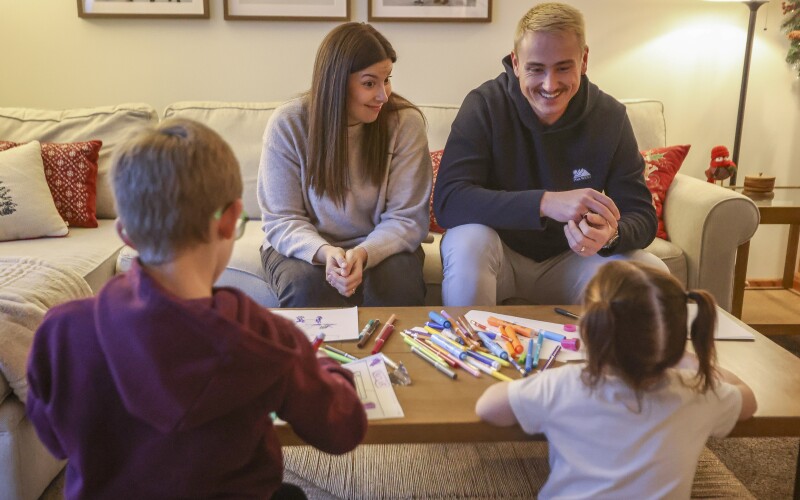
Jon and Julia Asprey of Fargo never initially planned to adopt. They started as respite foster parents, providing temporary support to others in the foster care system. However, circumstances led them to take on a full-time role for a young boy who had been in their care since he was four years old. On the same day they learned Julia was pregnant with their biological daughter, they made the decision to adopt him. In January 2024, they officially welcomed him into their family, alongside their now 3-year-old daughter, with another biological child expected in May.
“Our son deserves a stable life and a sense of belonging,” Jon Asprey said. “It’s an opportunity to give a kid what they deserve.” The couple has chosen to keep their children’s names private to protect their identities, but they have ensured that their adopted son maintains contact with his biological siblings, who live with another family.
According to Julie Hoffman, the adoption services administrator at North Dakota’s Health and Human Services Department, the recent redesign initiative has reduced paperwork and training requirements for relative adopters, shortening the average assessment time by 23 days. This streamlined approach has contributed to the increase in adoptions across the state.
Collaboration Fuels Increased Adoptions Among Tribes
Particularly noteworthy is the progress made among North Dakota Native tribes, where adoptions of children in tribal custody have surged by more than 53% over the past year. Hoffman credits this improvement to enhanced collaboration and communication between the tribes and the Adults Adopting Special Kids (AASK) program, managed by Catholic Charities North Dakota.
“AASK is integral, helping to coordinate efforts for children who need permanent homes,” Hoffman stated. During the last fiscal year, AASK finalized nearly 330 adoptions, primarily through identified adoptions where children cannot return home but have relatives or current foster caregivers willing to adopt.
Yet, there remains a challenge. Each year, there are between 20 and 30 children in North Dakota categorized as “waiting kids.” These are children whose parental rights have been terminated but who lack identified adoptive options. “We need to do recruitment efforts to find families for these children,” said Tesia Miller, lead adoption specialist at AASK.
The Asprey family reflects the positive outcomes that can arise from such efforts. They view their adopted son as their first child, having taken him in full-time nine months before their biological daughter was born. “That time we had together, just the three of us, was very special,” Julia Asprey noted. As their adopted son transitions from the youngest of his biological siblings to the oldest child in their home, the family dynamic continues to evolve.
Jon added, “It’s been interesting to watch him take on the role of a leader among the younger children.” The Aspreys’ experience highlights the transformative power of adoption and the importance of providing children with stable, loving environments.
Miller emphasizes a hopeful vision for the future: “We want every kid to have a home. We aspire to a day when there are no children waiting for their forever family.” As North Dakota continues to improve its adoption processes and expand outreach efforts, the dream of giving every child a nurturing home moves closer to reality.