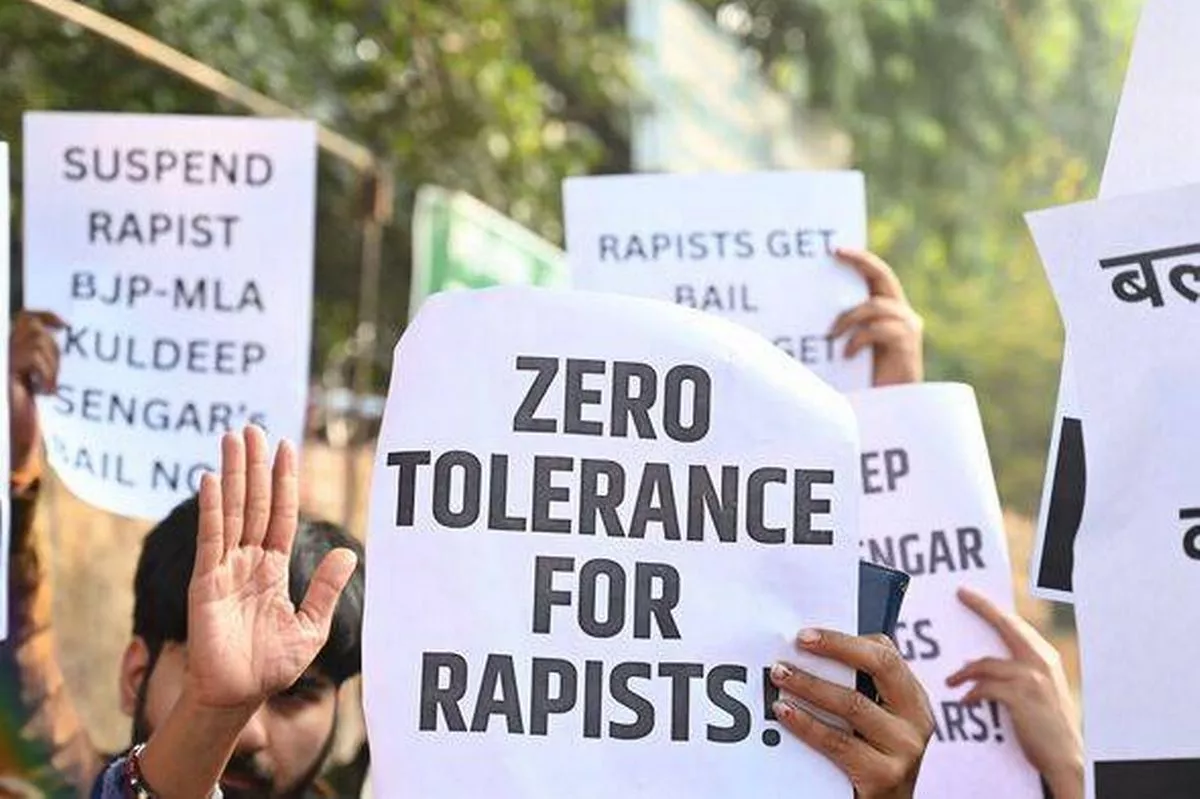
URGENT UPDATE: A medical intern in Uttar Pradesh, India, has been arrested for allegedly raping a nursing student under false pretenses of marriage and subsequently threatening her with blackmail. This shocking incident, which occurred at a state-run medical facility, has sent ripples through the community and raised serious concerns about the safety of women in India.
According to Deputy Commissioner of Police Vishwajeet Srivastava, authorities apprehended the suspect earlier this week. Investigators are currently validating the intern’s credentials and residential details, while the nursing student’s testimony will soon be formally documented before a magistrate.
The nursing student reported that the intern engaged in multiple intimate relations with her, promising marriage. However, when she sought to formalize their relationship, he allegedly refused and threatened to distribute her personal photographs online. This distressing allegation sheds light on the ongoing issue of sexual violence against women in India, a country where over 30,000 sexual assaults were recorded in 2022, marking a 20% increase from the previous year, as reported by the National Crime Records Bureau.
This incident marks the second similar case reported at the medical institution within two weeks, highlighting a disturbing trend. In a related case from West Bengal, a female physician accused a colleague of coercion to change her faith prior to marriage, a situation termed as “love jihad.”
The alarming frequency of such incidents underscores India’s position as one of the most dangerous countries for women. In 2024, the nation was rocked by the brutal rape and murder of a medical intern, whose body was discovered at RG Kar Medical College and Hospital in Kolkata. The accused, Sanjay Roy, was sentenced to life imprisonment in January 2025, despite maintaining his innocence and claiming he was set up.
As this latest case unfolds, the nursing student’s courage to come forward is vital, but it also raises urgent questions about the systemic issues that allow such crimes to persist. While India has laws enforcing the death penalty for the most heinous crimes, it is rarely applied and is reserved for the “rarest of crimes.” The most recent executions took place in 2020, when four men were executed for their involvement in the brutal gang rape and murder of a 23-year-old woman in New Delhi.
Authorities stress the importance of swift justice and the need for societal change to protect women and ensure their safety. As investigations continue, the community watches closely, demanding accountability and reform in the wake of this disturbing incident.