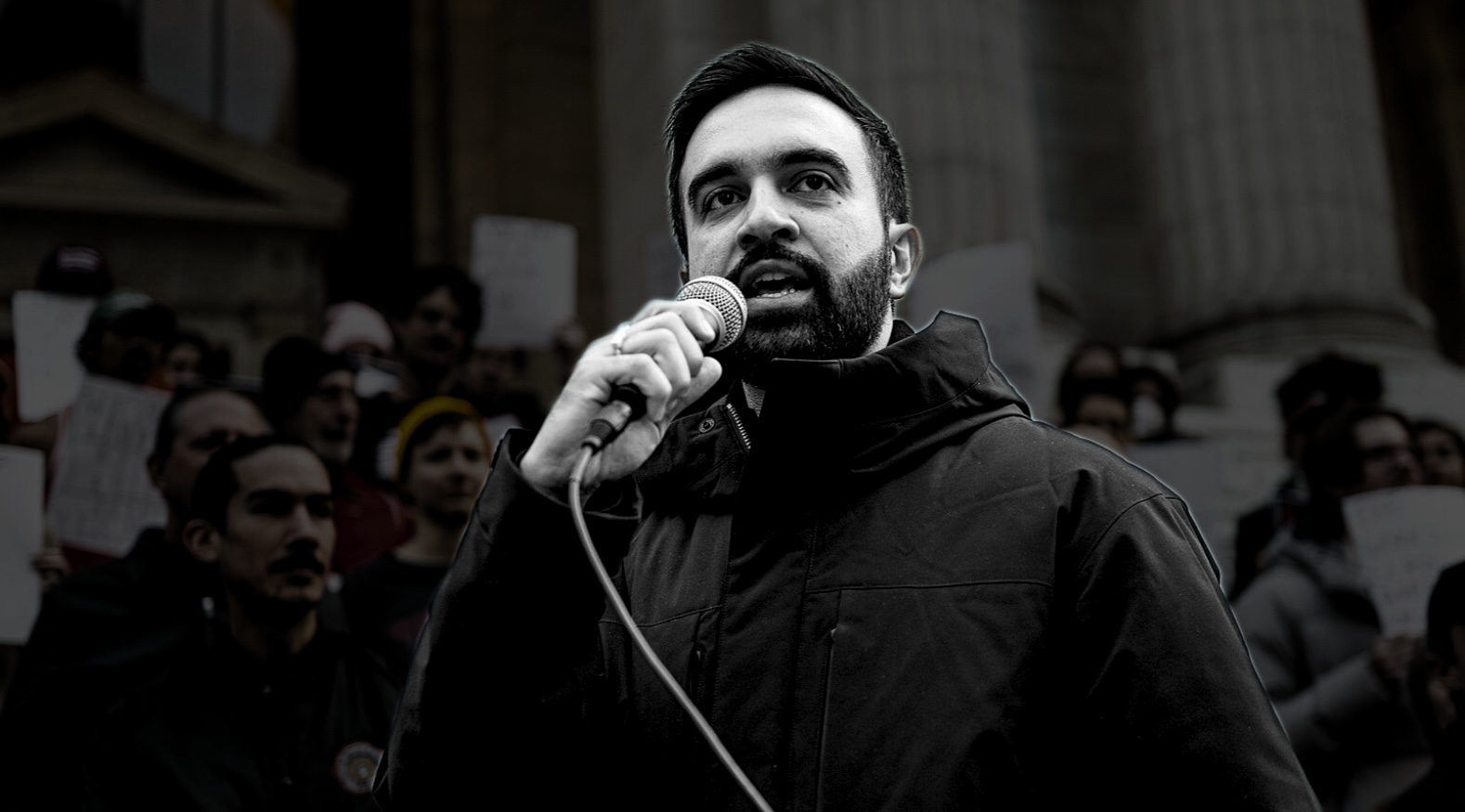
UPDATE: Newly elected Mayor of New York City, Zohran Mamdani, delivered an electrifying inauguration speech yesterday, igniting immediate discussions about the struggles of the precarious middle class. His message resonated profoundly with everyday New Yorkers facing economic uncertainty, marking a pivotal moment in the city’s political landscape.
Mamdani boldly stated, “We will replace the frigidity of rugged individualism with the warmth of collectivism,” emphasizing the urgent need for a collective approach to tackle the financial pressures impacting countless families. His words come as 2026 looms, a year that may redefine political messaging for the Middle Precariat—those who are neither comfortably middle class nor impoverished but struggling to make ends meet.
Many in attendance, like Mariano Muñoz, a 46-year-old school parent coordinator from Brooklyn, expressed their connection to Mamdani’s affordability message. “We feel the squeeze of everyday life, trying to raise our kids in Brooklyn,” he said, highlighting the emotional and financial security that constituents crave. The soaring costs of living, particularly in urban centers, are driving a newfound political energy among these voters.
The phenomenon isn’t limited to New York. Across the country, from Washington state to Georgia, the precarious middle class is making its voice heard in elections. For instance, Tara Fannon, a 50-year-old contractor, shared her experiences of job loss due to funding cuts, stating, “New Yorkers like me have been hit hardest by Trump’s policies.” This sentiment is echoed by many who feel overlooked in political discourse.
Economic data amplifies these concerns. The cost of homeownership has surged by 50 percent nationwide over the past five years, while costs for essentials like electricity have risen by 30 percent since 2021. According to the Economic Policy Institute (EPI), nominal wage growth has fallen behind recovery targets, exacerbating the financial strain on families.
“We wonder, ‘Can I survive or am I going to be a homeless person?’” said Peter Donahue, a 60-year-old electrician. His perspective reflects a growing fear among middle-class workers that their financial stability is under threat, regardless of their nominal income levels.
In his address, Mamdani encapsulated the aspirations of his constituents, urging political leaders to prioritize the urgent needs of the precarious middle class. The growing political coalition of these voters is clear, as they push back against an economic landscape that often disregards their lived experiences.
Political strategists, including figures like James Carville, are recognizing this shift, suggesting that addressing economic rage could be a game-changer for candidates across party lines. As Mamdani demonstrates, understanding and amplifying the voices of the Middle Precariat could redefine the political narrative leading into the critical elections of 2026.
The time for change is now, as Mamdani leads a charge to transform political engagement. His inauguration marks not just a new chapter for New York City but also a beacon of hope for the millions of Americans struggling to find their footing in an increasingly precarious economic landscape.
As the nation watches, the call for “precariat power” grows louder. Voters are ready to reclaim their narrative and seek a future where their economic realities are front and center in political discussions.