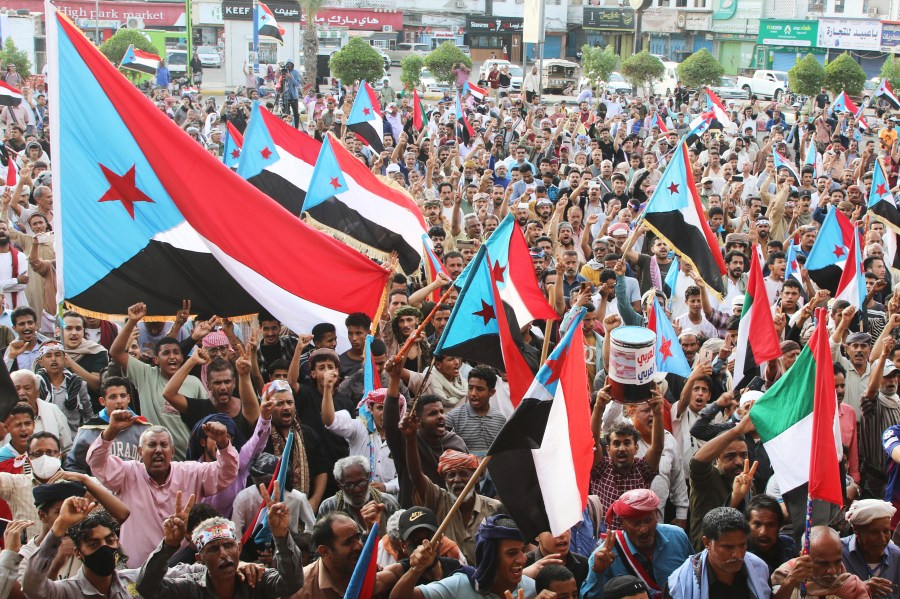
Yemen’s separatist movement has taken a significant step towards declaring independence by announcing a constitution for a self-governing southern region. This decision, made on March 15, 2024, by the Southern Transitional Council (STC), has heightened tensions within the already fragmented landscape of Yemen’s ongoing conflict. The STC is urging other factions involved in the war-torn nation to recognize their claim to sovereignty.
The announcement was made in the southern city of Aden, where the STC has established its base of power with backing from the United Arab Emirates. This move is seen as a direct challenge to the influence of Saudi Arabia, which has traditionally supported the Yemeni government. The constitutional declaration represents a bold assertion of autonomy by the separatists, who have long sought independence for the southern territories.
In a statement, the STC emphasized the need for unity among southern factions, urging them to accept the newly drafted constitution. This appeal underscores the internal divisions that complicate the conflict, as various groups vie for power and recognition. The announcement has drawn mixed reactions, with some factions expressing skepticism about the STC’s unilateral approach.
Regional Implications and International Reactions
The announcement has broader implications for the region, particularly as it pits two Gulf powers against one another. Saudi Arabia has historically backed the internationally recognized government of Yemen, while the UAE has supported the STC, leading to a complex dynamic in the ongoing civil war. The situation remains fluid, with both nations having vested interests in the outcome of the conflict.
International observers have noted that this escalation could further destabilize the region. The United Nations has urged all parties to engage in dialogue to reach a peaceful resolution. However, the STC’s declaration may complicate such efforts, as it solidifies their position and may diminish the chances for a negotiated settlement.
The humanitarian crisis in Yemen continues to worsen, with millions of people facing severe food shortages and limited access to healthcare. The ongoing conflict has left the country in ruins, and the latest developments could exacerbate the suffering of civilians caught in the crossfire.
As the situation develops, the international community is closely monitoring the actions of both the STC and the Yemeni government. The potential for increased violence looms large, especially if other factions reject the STC’s constitution and assert their own claims to power.
In conclusion, the announcement of a constitution for an independent southern Yemen marks a pivotal moment in the ongoing conflict. It highlights the fractures within Yemen and the competing interests of regional powers. The path forward remains uncertain, with the potential for both increased conflict and a renewed push for dialogue among the many factions involved.