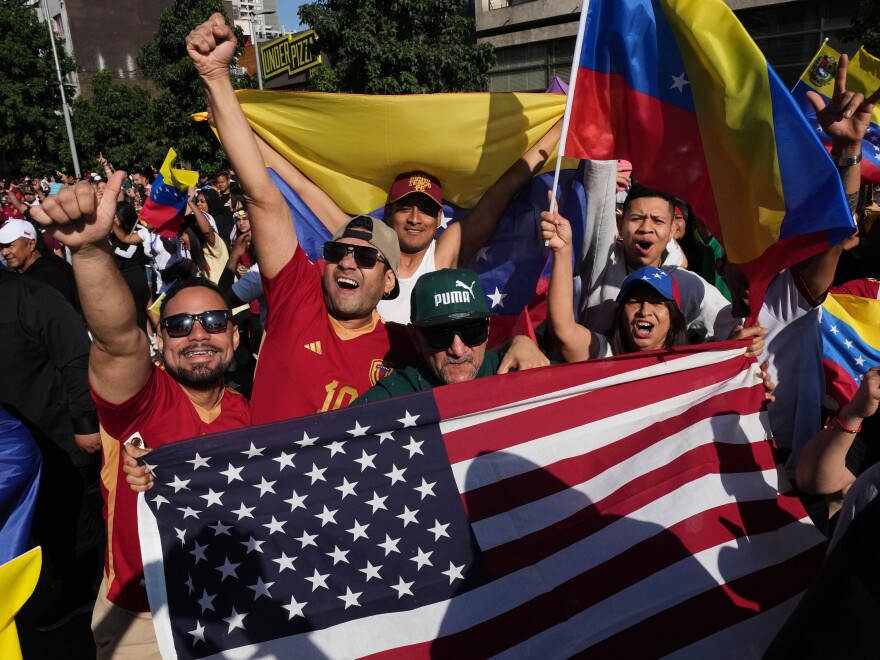
BREAKING: The U.S. has launched airstrikes against Venezuela, signaling a significant escalation in U.S. military intervention in Latin America. The strikes, carried out on January 3, 2026, reportedly targeted key locations in Caracas, including a military airbase and the legislative building, raising alarms across the region and beyond.
URGENT UPDATE: President Gustavo Petro of Colombia has announced the deployment of security forces along the border in anticipation of a potential influx of Venezuelan refugees. Colombia is home to the largest Venezuelan diaspora, and the situation is rapidly evolving. Petro condemned the U.S. actions as aggression against both Venezuela and Latin America, calling for de-escalation.
Brazil’s President Luiz Inácio Lula da Silva also condemned the U.S. strikes, labeling them as crossing an “unacceptable line” and setting a “dangerous precedent” for foreign intervention in the region. Lula’s remarks reflect deepening tensions, especially given Brazil’s recent refusal to recognize Maduro’s disputed election victory in 2024.
Other Latin American leaders, including those from Chile and Mexico, have echoed strong denunciations. Mexico’s government highlighted the strikes as a violation of the U.N. Charter and called for an immediate halt to what it termed acts of aggression.
In a recent Fox News interview, President Trump stated that “something is gonna have to be done with Mexico,” further inflaming tensions in the region. Meanwhile, Cuba and Nicaragua, Venezuela’s close allies, are closely monitoring the crisis. Cuban President Miguel Díaz-Canel condemned the U.S. actions as “state terrorism” and called for urgent international intervention, citing the severe impact this could have on Cuba’s already fragile economy.
GLOBAL REACTION: The international response has been swift. Russia condemned the U.S. intervention, with the Foreign Ministry calling the justification for the strikes unfounded. If reports of Maduro’s capture are confirmed, Russia decries the action as an “unacceptable assault” on Venezuelan sovereignty.
China expressed strong opposition to the U.S. actions, labeling them a blatant violation of international law. A statement from Beijing described the U.S. use of force as a threat to peace and security in Latin America and the Caribbean, indicating a growing global divide over the unfolding situation.
Venezuela has called for an emergency U.N. Security Council meeting to address the legality of the U.S. operation, highlighting the urgency and severity of the current crisis.
WHAT’S NEXT: As the situation develops, the implications for regional stability and international relations are profound. The potential for increased refugee flows, heightened military tensions, and a reevaluation of alliances in Latin America are all on the table. Observers are urged to stay tuned for further updates as this critical story unfolds.