As the craft beer industry transitions from 2025 to 2026, local breweries are experiencing a significant downturn. According to the recently released “Year in Beer 2025” report by the Boulder-based Brewers Association, brewery closures are outpacing new openings for the second consecutive year. This trend reflects a broader contraction within the sector, which has been a staple of the local economy for decades.
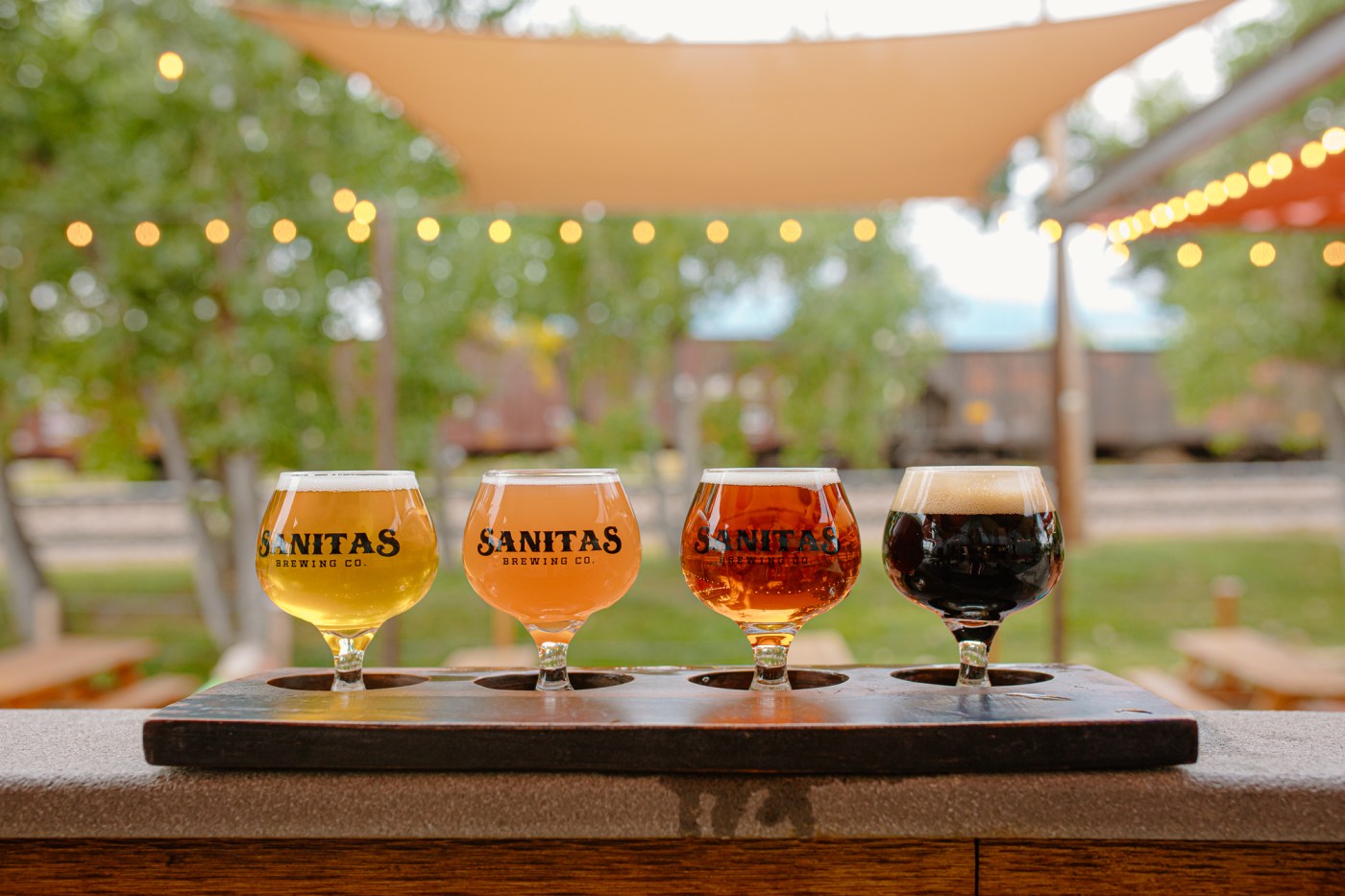
The report reveals that by the end of 2025, there will be a total of 9,778 breweries operating in the United States, with 434 closures compared to only 268 new openings. Notable closures include Sanitas Brewing Co., which shut down its Boulder taproom along with locations in Lafayette and Englewood on December 20, and Big Beaver Brewing Co. in Loveland, which closed in November.
According to the Brewers Association, craft beer production is projected to have declined by 5% in 2025, a worsening from the 4% drop noted in 2024. The full production numbers will not be finalized until the Beer Industry Production Survey is released in the first quarter of 2026. However, early data suggests the overall contraction may continue.
Market Saturation and Economic Factors Affecting Breweries
The widening gap between brewery closures and openings can be attributed to a significant drop in the rate of new brewery launches. Matt Gacioch, the Brewers Association’s staff economist, explained that the current economic climate, characterized by rising interest rates and cautious investment behavior, is making it increasingly difficult for new breweries to secure funding. “With the rising cost of money, it’s made it tougher in a capital-intensive industry to get a new business off the ground,” he said.
Market saturation in certain areas is also a concern. Gacioch indicated that while some regions may be saturated, opportunities still exist for innovative new ventures. “Saturation can really come down to very localized geography and the demographics and the demand of a particular neighborhood,” he noted, suggesting that there are still niches to explore within the market.
Consumer behavior is shifting, particularly among younger generations, who are less inclined to frequent breweries. Steve Conrad, head brewer at Busey Brews Smokehouse and Brewery, remarked during a recent roundtable discussion, “The younger generation doesn’t seem to be engaging in the craft beer world as much as people my age.” This trend is echoed by Jeffrey Green, co-owner of Very Nice Brewing Co., who observed that the general culture of going out has diminished significantly.
Industry Consolidation Through Mergers and Acquisitions
Despite these challenges, the craft beer industry is not entirely in decline. A notable trend is the increase in mergers and acquisitions among local breweries. Gacioch described this consolidation as a form of innovation within the craft beer sector. Local players are adapting to the changing landscape by combining resources, which allows for greater operational efficiency.
One prominent example is Wilding Brands, a Lafayette-based company that has made several acquisitions since its formation last year, including Boulder’s Upslope Brewing Co.. With this acquisition, Wilding aims to produce 80,000 barrels annually, positioning itself as Colorado’s second-largest independent craft producer.
In another significant move, Left Hand Brewing Co. acquired Dry Dock Brewing Co. earlier this year, further illustrating the trend of strategic consolidation within the state. Eric Wallace, co-founder and CEO of Left Hand, expressed optimism about future partnerships and the need to adapt in challenging operating conditions.
The craft beer industry, which supports 443,000 jobs nationwide and contributes $72.5 billion to the US economy, is currently grappling with a complex array of challenges. As the industry heads into 2026, the outlook remains mixed. The Brewers Association report indicates that many of the current headwinds are expected to persist, although there is some cautious optimism. Declining interest rates could facilitate expansion opportunities, while consumer trends may begin to shift positively.
Gacioch remains hopeful, stating, “Beer is a beverage that has been around since the dawn of civilization. I feel like beer will find a way forward through this.” The resilience of craft brewers will likely depend on their ability to adapt and innovate in an evolving market.