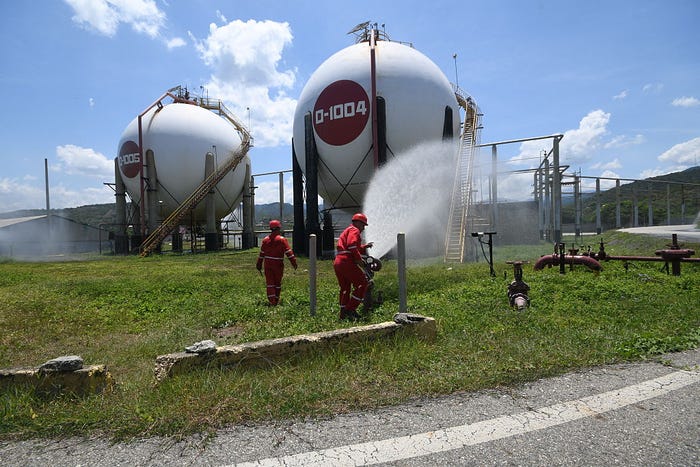
The recent U.S. military action in Venezuela has raised significant concerns about the implications for global oil markets. The South American nation currently holds a staggering 303 billion barrels of oil, representing nearly a fifth of the world’s reserves. This situation could directly influence the prices consumers face at the pump, particularly in the United States.
As global attention shifts to Venezuela’s oil reserves, the immediate impact on crude oil prices will be closely monitored. While fluctuations in oil prices can lead to higher costs for everyday Americans, several factors suggest that any significant changes in the near term may be limited.
Key Factors Influencing Oil Prices
Despite Venezuela’s vast oil stockpile, the country produces less than 1% of the daily global crude supply. This limited production capacity means that any disruptions caused by recent events may not drastically affect oil availability worldwide. Reports indicate that the ongoing U.S. operations did not significantly damage Venezuela’s oil infrastructure, which could further mitigate potential price volatility.
Additionally, projections from industry analysts suggest that the global oil surplus is expected to reach record levels by 2026. This surplus could counterbalance any immediate supply concerns stemming from the Venezuelan situation.
According to former President Donald Trump, the U.S. plans to explore opportunities to tap into Venezuela’s oil reserves, which may lead to increased production. While this could potentially lower crude oil prices, it presents a dilemma for U.S. companies considering investments in Venezuelan oil extraction. The more oil they add to an already oversupplied market, the greater the risk of further decreasing prices, which could diminish their profitability.
Market Reactions and Future Considerations
The oil market operates on a 24-hour cycle, but the immediate effects of geopolitical events are often felt when trading resumes. As such, any future price fluctuations will likely depend on how the situation in Venezuela unfolds and its broader impact on global oil supply dynamics.
Since the beginning of last year, crude oil prices have experienced a notable decline. The ongoing developments in Venezuela will be pivotal in shaping market sentiment and pricing strategies in the coming months. Consumers and industry stakeholders alike will be watching closely, as decisions made regarding Venezuelan oil production could have significant repercussions on what Americans pay at the fuel pump.
In summary, while the U.S. military actions in Venezuela have raised alarms about oil supply and prices, the actual impact on the market may be tempered by various factors. The relationship between production levels, global supply, and pricing will play a crucial role in determining how these events affect everyday consumers in the near future.