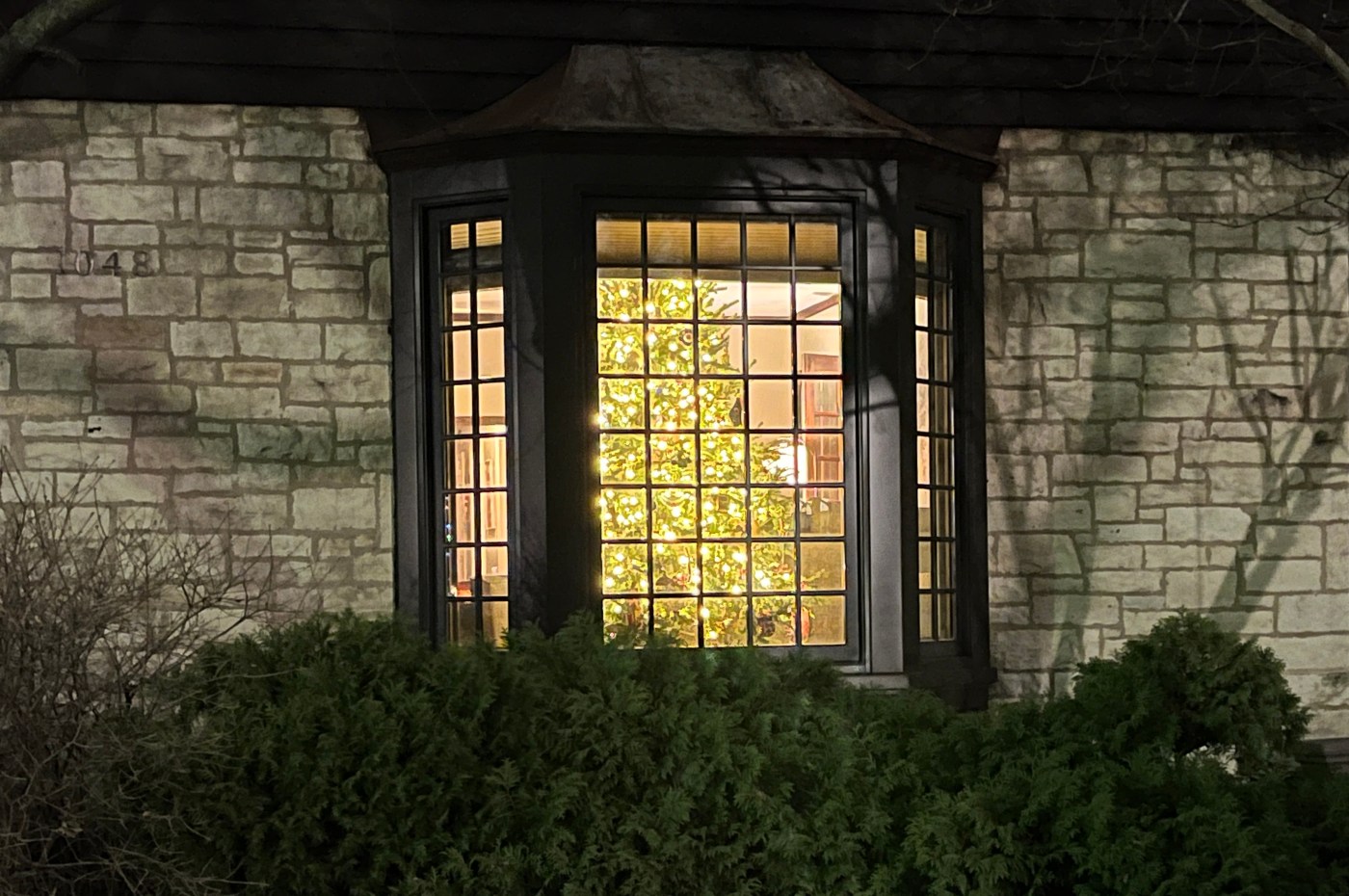
As the holiday season comes to a close, many people face the task of disposing of their Christmas trees responsibly. Proper disposal not only benefits the environment but also provides valuable resources for local ecosystems. According to Sharon Yiesla, a plant knowledge specialist at The Morton Arboretum in Lisle, Illinois, trees that are disposed of correctly can be transformed into mulch or compost, which enhances soil quality and supports plant growth.
For those considering how to make the most of their real Christmas trees, several options exist. One practical method involves using branches to protect delicate plants during late-winter warm spells that can trick bulbs and perennials into early growth. Yiesla suggests laying evergreen branches over garden beds to keep the soil cool. By early March, when the time is right for early plants to sprout, the branches can be removed and added to landscape waste.
Options for Tree Disposal
If space permits, leaving the entire Christmas tree in your yard can provide a winter refuge for birds and other wildlife. Once spring arrives, the tree can be cut into smaller pieces for disposal through municipal landscape waste programs.
It is crucial to avoid using a Christmas tree as firewood. Burning evergreen trees can lead to dangerous creosote buildup, posing a fire risk in fireplaces and wood stoves. To mitigate this hazard, it is advisable to remove the tree promptly once it shows signs of drying out.
Before disposing of your tree, familiarize yourself with local disposal rules, as they vary by municipality. Yiesla emphasizes the importance of checking regulations on local government websites, noting that some areas offer curbside pickup while others require residents to bring trees to designated recycling sites. For example, in Chicago, trees must be taken to one of 27 designated collection sites in city parks between January 3 and 17, 2024, or they will be sent to a landfill.
Essential Disposal Guidelines
Preparation for disposal is also important. Ensure that all decorations are removed from the tree before placing it out for pickup or transporting it to a recycling site. Trees that still have decorations will not be recycled and will end up in landfills. It is also worth noting that flocked trees—those with a synthetic snow-like coating—cannot be recycled and should be discarded in regular trash.
Only actual Christmas trees can be recycled; wreaths, garlands, and other decorations containing metal wire can damage shredding machinery and should be disposed of in the trash. For those looking to recycle unwanted holiday lights, many local collection programs exist.
For further guidance on tree and plant care, resources are available through The Morton Arboretum’s website at mortonarb.org/plant-care. Questions can also be submitted online or via email to their plant clinic at [email protected].
By following these guidelines, individuals can ensure that their Christmas trees contribute positively to the environment, fostering healthier gardens and supporting local wildlife.