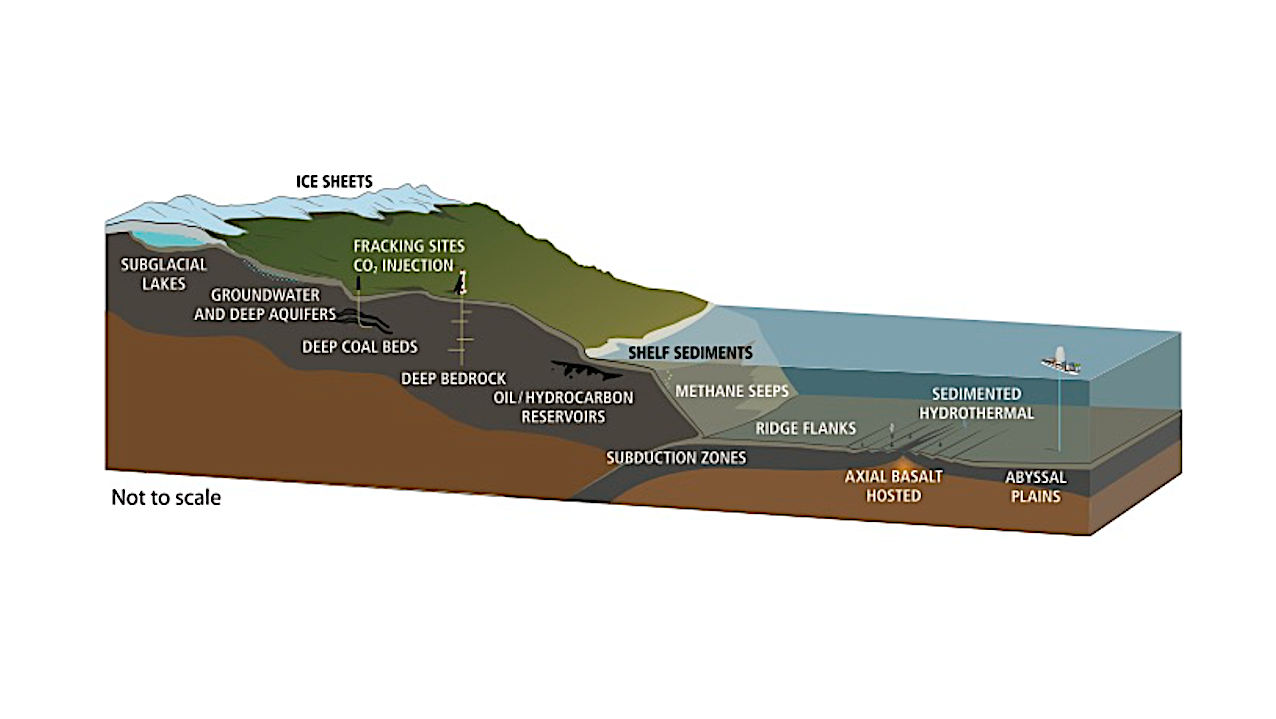
Research into subsurface microbiology is evolving, focusing not only on identifying microbial communities but also on understanding their functions and the processes that limit life in these environments. This shift is crucial as subsurface microorganisms play a significant role in addressing urgent societal challenges, particularly in relation to climate change mitigation and waste storage solutions. Despite its importance, funding and sampling opportunities in this field are limited and, in some cases, have decreased.
The need for extensive exploration in subsurface microbiology is clear. As societies grapple with the effects of climate change, the ability of microbes to contribute to carbon sequestration and waste degradation becomes increasingly important. The microbial processes occurring below the Earth’s surface can offer insights into sustainable practices and innovative technologies necessary for a greener future.
Current Landscape and Historical Context
Subsurface science has a rich history, but its current status reflects ongoing challenges. Research initiatives often face financial constraints, leading to a reduction in available funding for exploration. This limitation hinders the capacity to conduct necessary studies that could advance our understanding of subsurface ecosystems.
This perspective article aims to engage a broad audience, including scientists with interests in the geomicrobiology of the subsurface, funding agencies globally, as well as professionals in the extractive and waste disposal industries. It highlights the critical need for continued research and collaboration among various sectors to foster advancements in this vital field.
Strategies for Future Growth
To enhance research output and impact, several strategies should be considered. First, involving early-career microbiologists in drilling projects can bring fresh perspectives and innovative ideas to the exploration process. Their participation not only fosters professional development but also ensures that new approaches are integrated into ongoing research.
Additionally, increasing access to subsurface sampling through partnerships with industry can facilitate more comprehensive studies. Collaborative efforts between academia and industry will enable the sharing of resources, expertise, and data, ultimately leading to enhanced understanding and exploration of subsurface habitats.
Moreover, establishing microbiology-led drilling initiatives can direct focus towards the specific needs and characteristics of microbial communities. Such projects would benefit from interdisciplinary collaboration, ensuring that microbiologists are included in the planning stages of drilling efforts. This integration is essential for addressing both scientific inquiries and practical applications that arise from subsurface microbiology research.
As this field continues to develop, it holds the potential for significant contributions to vital issues like climate change and waste management. By prioritizing funding and support for subsurface microbiology, society can harness the power of these microorganisms and their processes to address pressing global challenges.