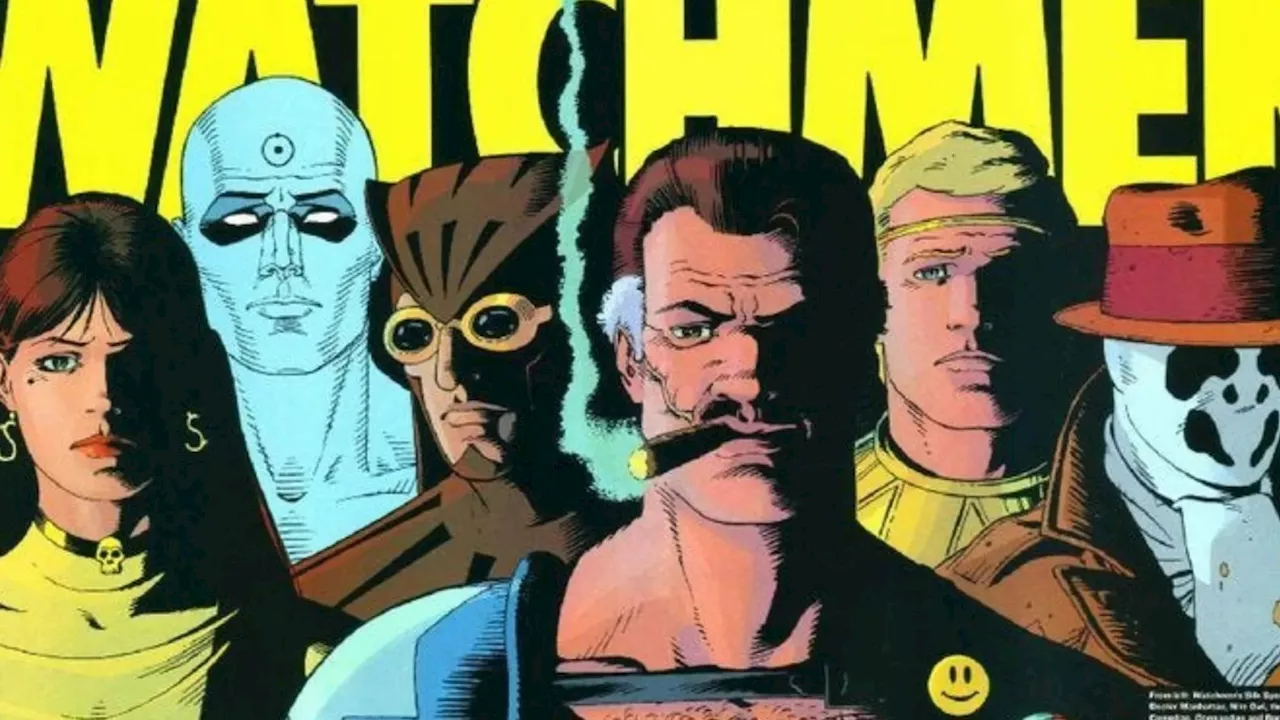
UPDATE: As Watchmen marks its 40th anniversary, critical discussions are heating up about its enduring influence on superhero comics and its relevance in today’s cultural landscape. The iconic series, created by writer Alan Moore and artist Dave Gibbons, was first serialized from 1986 to 1987 and has been hailed as a cornerstone of graphic literature. However, as we reflect on its legacy, the conversation is shifting dramatically.
Critics highlight that while Watchmen is a masterclass in comic storytelling, its dense narrative and historical context are often misinterpreted in contemporary culture. The comic serves as a satirical deconstruction of superhero tropes, rooted in the anxieties of the Cold War era. As the world faced the threat of nuclear annihilation and societal upheaval, Moore and Gibbons crafted a tale that resonated deeply with the times. Yet, does its relevance hold up in today’s diverse and rapidly evolving cultural climate?
The story’s themes of cynicism and moral ambiguity were reflective of its time, driven by events like the Watergate scandal and the Vietnam War. Critics argue that the ongoing elevation of Watchmen as the definitive superhero narrative limits exploration of new perspectives in the genre. The comic’s legacy has arguably become a double-edged sword, influencing creators to replicate its darkness without understanding the depth of its critique.
As the comic book industry evolves, the need for fresh narratives and diverse voices becomes increasingly crucial. The past 40 years have witnessed significant social shifts, and many argue that the genre must adapt accordingly. Holding onto the standards set by Watchmen may hinder innovation, much like clinging to outdated technology in a fast-paced world.
Moreover, the influence of Watchmen has led to a proliferation of dark, gritty narratives that often miss the underlying themes of genuine examination. While morally complex heroes are essential for storytelling, the focus has shifted towards replicating shock value rather than fostering meaningful discourse.
As we navigate this critical juncture, the conversation surrounding Watchmen‘s legacy is more than an analysis of a comic. It is a call to action for creators and fans alike to recognize the importance of evolving narratives that reflect contemporary issues.
What’s next? As the comic book industry continues to grow, anticipate discussions about new works that challenge the established norms set by Watchmen. Readers and creators alike are urged to explore narratives that resonate with today’s realities, pushing the boundaries of what superhero stories can convey.
This anniversary is not just a celebration; it’s a moment to reflect on how far we’ve come and the paths still to be forged. With Watchmen at the center of this dialogue, the future of superhero comics looks poised for a transformative leap. Stay tuned as these conversations unfold, shaping the next chapter in comic book history.