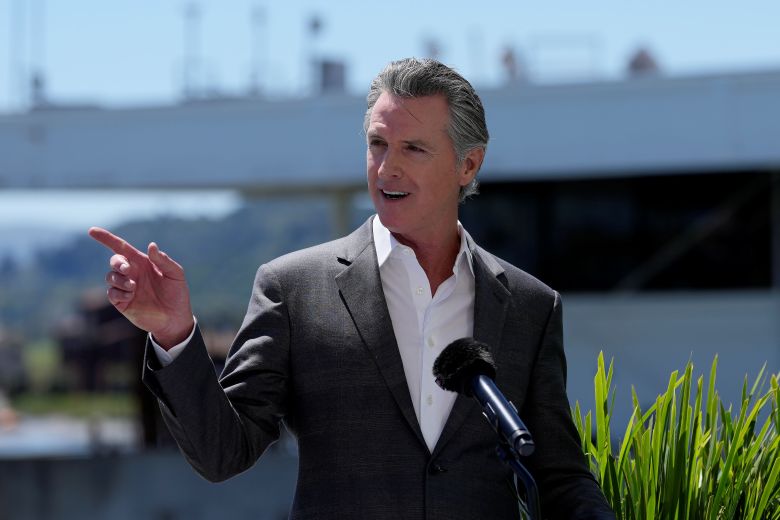
As Gavin Newsom embarks on his final year as Governor of California, he is positioned to shape his legacy while eyeing a potential presidential run. In an address to the Legislature this week, Newsom will unveil his budget proposal, marking a pivotal moment in his administration. Over the past seven years, he has endeavored to implement an ambitious policy agenda, but his final year may define his impact on state and national issues.
Numerous interest groups are vying for Newsom’s attention as he faces pressing challenges, including housing affordability, health care costs, and homelessness. The outcomes of these issues could influence his future political aspirations. “This really is a pivotal year for him,” said Kelly Calkin, a Democratic political consultant. “Voters across the country are feeling the pinch of affordability, and that will shape his agenda.”
Unmet Promises and New Goals
Newsom’s tenure has been marked by significant promises that have yet to be fulfilled. He committed to addressing homelessness, a problem that has worsened during his administration despite over $24 billion allocated to combat it. Initially, he proposed six months of paid leave for new parents, only to reduce that plan to eight weeks. Additionally, he aimed to add 200,000 subsidized child care slots by 2024, a goal that has faced delays and remains unmet.
While Newsom campaigned on establishing a single-payer public health care system, his focus shifted to “universal coverage.” This pivot included expanding coverage for low-income Californians and undocumented immigrants, but plans stalled amid budget deficits. As California confronts another projected budget deficit of $18 billion, Newsom’s ability to maintain service programs is under scrutiny.
Housing remains a critical area for Newsom, with nearly 40% of Californian households burdened by rent or mortgage costs. Newsom pledged to build 3.5 million new homes by 2025, yet in 2024, the state added fewer than 120,000 units, a fraction of what is needed. Some supporters argue that local resistance and high construction costs hinder progress, while others contend that Newsom’s leadership has set a more focused agenda for affordable housing.
Innovative Solutions and Continued Challenges
In an attempt to address the housing crisis, Newsom is considering alternative construction methods, including modular housing. This approach, which involves assembling homes in factories before transporting them, may offer a cost-effective solution. An Assembly committee, led by Democratic Assemblymember Buffy Wicks, plans to explore this method further this year. Newsom remarked, “This holds a lot of promise… but it carries political peril.”
Advocates for social services worry that budget constraints may lead to cuts in essential programs. Under Newsom’s administration, significant strides have been made, such as increasing subsidized child care slots and expanding health care coverage. However, last year, the governor had to roll back coverage for undocumented residents due to budget pressures. Amanda McAllister-Wallner, executive director of Health Access California, expressed concern that further reductions could undermine progress made in health care access.
As Newsom prepares for his State of the State address on January 6, 2023, he faces a crucial moment to reaffirm his commitments and address the challenges ahead. His decisions this year will not only impact California but also shape his national profile as he contemplates a future in federal politics.