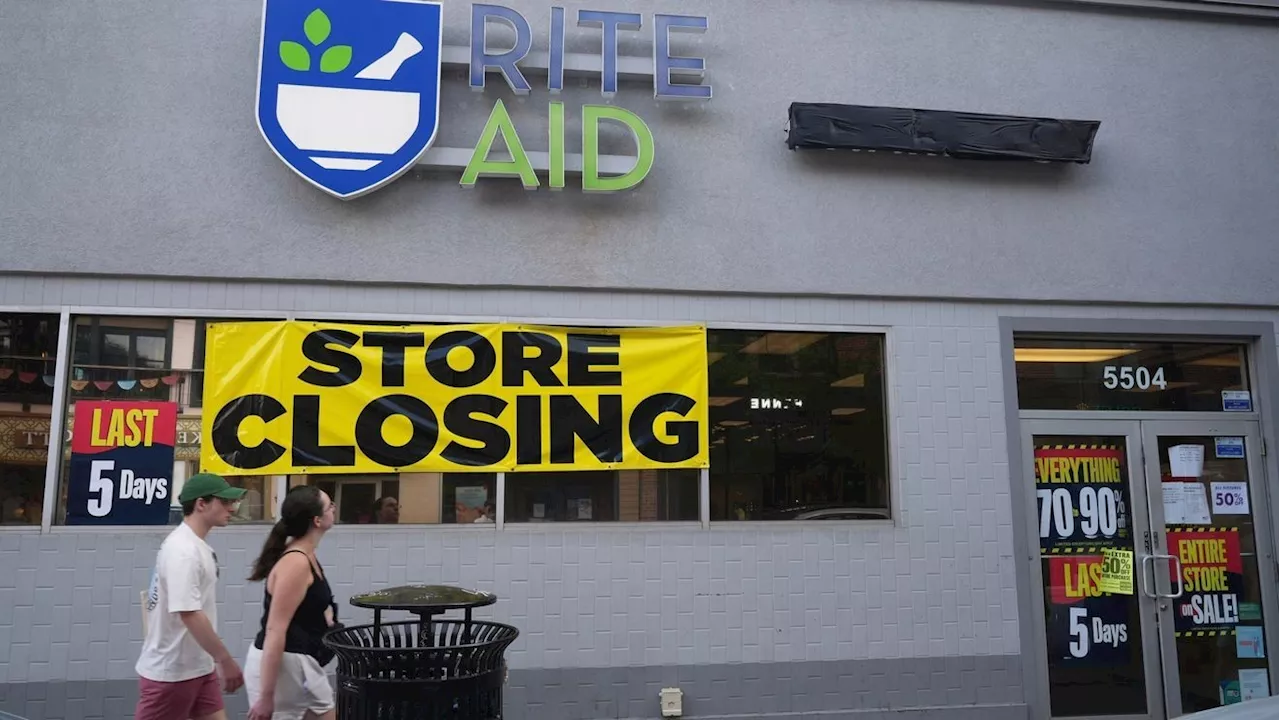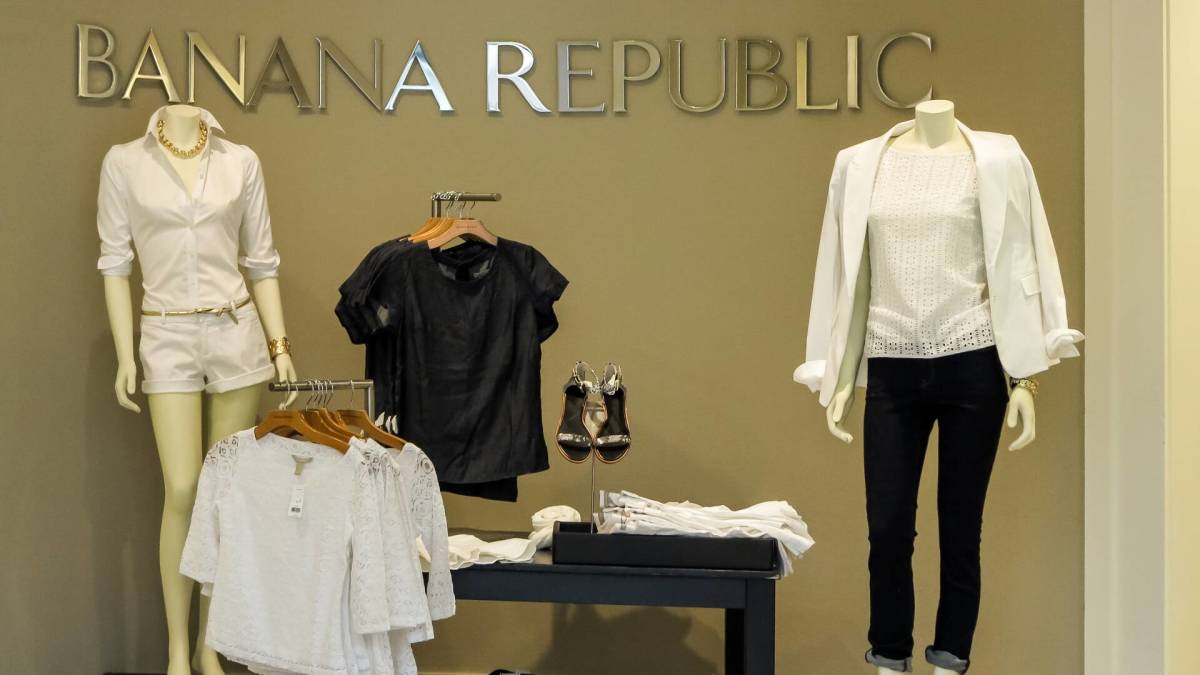
Several well-known retail brands, including Banana Republic, Tommy Bahama, Madewell, and Wockenfuss Candies, have recently closed or are preparing to close their stores at the Towson Town Center Mall in Towson, Maryland. This trend underscores the ongoing challenges facing mid-tier malls as they navigate a shifting retail landscape.
The closures reflect a broader pattern affecting many mall retailers. Over the past few years, numerous chains, such as Forever 21 and JCPenney, have faced bankruptcies and store closures, significantly altering the dynamics within shopping centers. Surprisingly, many mall landlords view these exits as an opportunity rather than a setback. According to the Wall Street Journal, landlords are keen on attracting stronger tenants capable of paying higher rents, often focusing on smaller retail and entertainment options that can generate higher sales per square foot.
Recent Retail Exits at Towson Town Center
While Tommy Bahama has already vacated the Towson Town Center, both Banana Republic and Madewell are expected to follow suit shortly. Wockenfuss Candies, a local favorite and the oldest candy maker in Baltimore, has confirmed its closure as well. The company announced on Facebook, “After much consideration, we have made the difficult decision to permanently close this location, effective immediately.”
The departures come amidst reports that the Macy’s store at the same mall is also slated for closure in 2026. Local Chamber of Commerce representative Nancy Hafford stated that economic factors have contributed to reduced consumer spending, compounded by increasing competition from online retail giants like Amazon. Hafford pointed out that “people don’t have as much expendable funds as they used to,” emphasizing a shift in shopping habits.
Impact of Closures on Local Economy
The exit of established brands is causing concern regarding the future of the mall and its surrounding businesses. Research from Coresight Research indicates that mall performance can vary widely depending on their tier classification. Top-tier malls often thrive, while mid-tier and low-tier malls struggle with vacancy rates and declining foot traffic. The Towson Town Center, classified as mid-tier, has now lost four notable brands.
Local shoppers express apprehension about a potential “domino effect” resulting from these closures, with fears that reduced foot traffic may lead to further business departures. According to an independent study by IMD, store closures can significantly impact nearby businesses, diminishing overall retail sales in the area.
Some customers have linked the decline in retail offerings to rising safety concerns. Recent violent incidents, including a robbery and stabbing at the mall, have raised alarms among shoppers. One frequent visitor, Sabrina Pitchford-Gorman, remarked, “I’ve seen [teens] grab people’s bags or snatch phones… it makes it uncomfortable to shop.” Another local shopper expressed a similar sentiment, noting hesitation to visit the mall alone at night.
Despite these challenges, Hafford remains optimistic. She mentioned that efforts are underway to attract new businesses and adapt to changing consumer preferences. The nearby Towson Row development, which features a new Whole Foods, may draw residents and students away from the mall, intensifying competition.
As the Towson Town Center grapples with the loss of major retailers, landlords face the challenge of reimagining the mall experience. The goal is to attract tenants that can deliver unique experiences, something that cannot be easily replaced by online shopping. Coresight Research notes, “Top-tier mall operators have the financial resources to continually reinvest in and renovate malls to inspire consumers.” This may be essential for the Towson Town Center to revitalize its appeal and retain customer interest amidst a changing retail environment.
In summary, the closure of these prominent brands at Towson Town Center signals a significant shift in the retail landscape, particularly for mid-tier malls. As landlords and local officials work to navigate these challenges, the future of the mall remains uncertain, but the potential for revitalization exists.