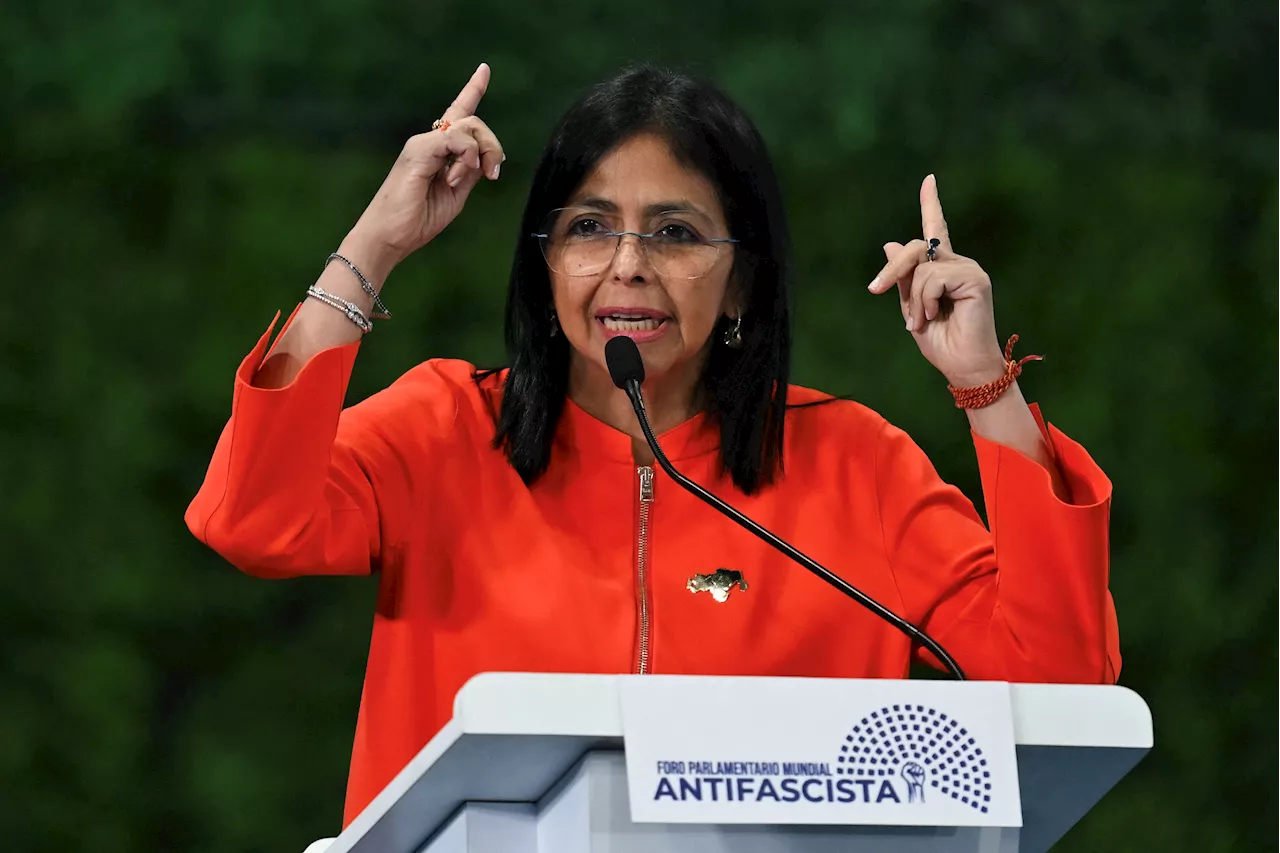
UPDATE: In a stunning turn of events, Delcy Rodríguez has been named interim leader of Venezuela after the reported capture of President Nicolás Maduro in a U.S. military operation. This development marks a dramatic shift in the country’s political landscape, with Rodríguez stepping into the role amidst a burgeoning crisis.
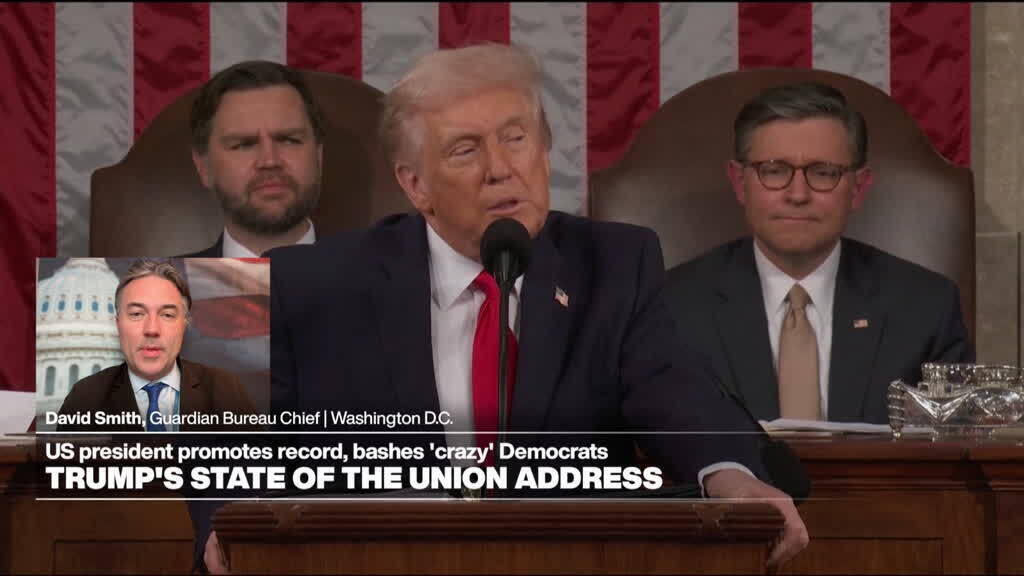
The Trump administration has confirmed that Rodríguez, who has held various key positions in the Venezuelan government, is now positioned to lead. President Trump stated that she was “sworn in” and is “willing to do what we think is necessary to make Venezuela great again.” However, Rodríguez’s own statements have created confusion, as she insists that Maduro is still Venezuela’s “only president” while also expressing her intent to “collaborate” with the U.S.
This extraordinary political upheaval comes as Maduro faces a federal indictment in the United States on serious charges, including narco-terrorism. His capture has left Venezuela on edge, and the international community is watching closely as the situation unfolds.
Rodríguez, 56, has a storied background, being the daughter of Marxist guerrilla fighter Jorge Antonio Rodríguez, who died in police custody. Her rise through the political ranks has been marked by loyalty to both the late President Hugo Chávez and Maduro himself. Following her vice presidency, which she assumed in June 2018, she has expanded her influence, overseeing critical sectors like finance and oil during a time of severe U.S. sanctions.
While Rodríguez has not faced criminal charges in the U.S., she was sanctioned for her role in suppressing dissent in Venezuela. Her recent comments indicate a willingness to engage diplomatically with the U.S., stating a desire for “a more balanced and respectful relationship” and inviting the U.S. to collaborate on a “cooperation agenda.”
However, tensions remain high. In a televised address, Rodríguez criticized the “extremists” within the Trump administration, asserting that the actions against Venezuela constitute an “atrocity” violating international law. She is now tasked with solidifying her position and gaining the support of the military and key political factions within the country.
Experts warn that her interim role may not be secure. Ryan C. Berg, a political analyst, points out that Rodríguez lacks support from significant factions in Venezuela and will need to consolidate her power quickly to maintain stability.
As the world turns its gaze to Caracas, the fate of Venezuela hangs in the balance. The coming days will prove crucial as Rodríguez navigates this volatile political environment and as the U.S. continues its legal proceedings against Maduro.
Stay tuned for more updates as this story develops. The international community and Venezuelans alike are eager to see how Rodríguez’s leadership will reshape the nation’s future.