A woman in her sixties has voiced her frustration over the judgment she faces regarding her refusal to wear hearing aids, despite a lifelong struggle with hearing loss. She has expressed her desire to reclaim her autonomy, emphasizing that her health decisions should not be subjected to ridicule by colleagues and family.
Personal Struggles with Hearing Loss
The individual, who wishes to remain anonymous, has experienced hearing loss since childhood, a condition that her two younger siblings also share. Unlike her siblings, who began using hearing aids in their forties, she has resisted this option due to concerns about vanity and the associated costs. This decision has resulted in persistent pressure from her family, who recently confronted her about acquiring hearing aids in an intervention-style discussion.
At work, the situation worsens, with colleagues making inappropriate comments such as, “Oh, you’re so deaf,” and “We know you can’t hear us anyway.” The individual is seeking advice on how to address such rudeness and how to respond when she eventually chooses to get hearing aids, anticipating dismissive remarks about her hearing abilities.
Addressing Workplace Behavior
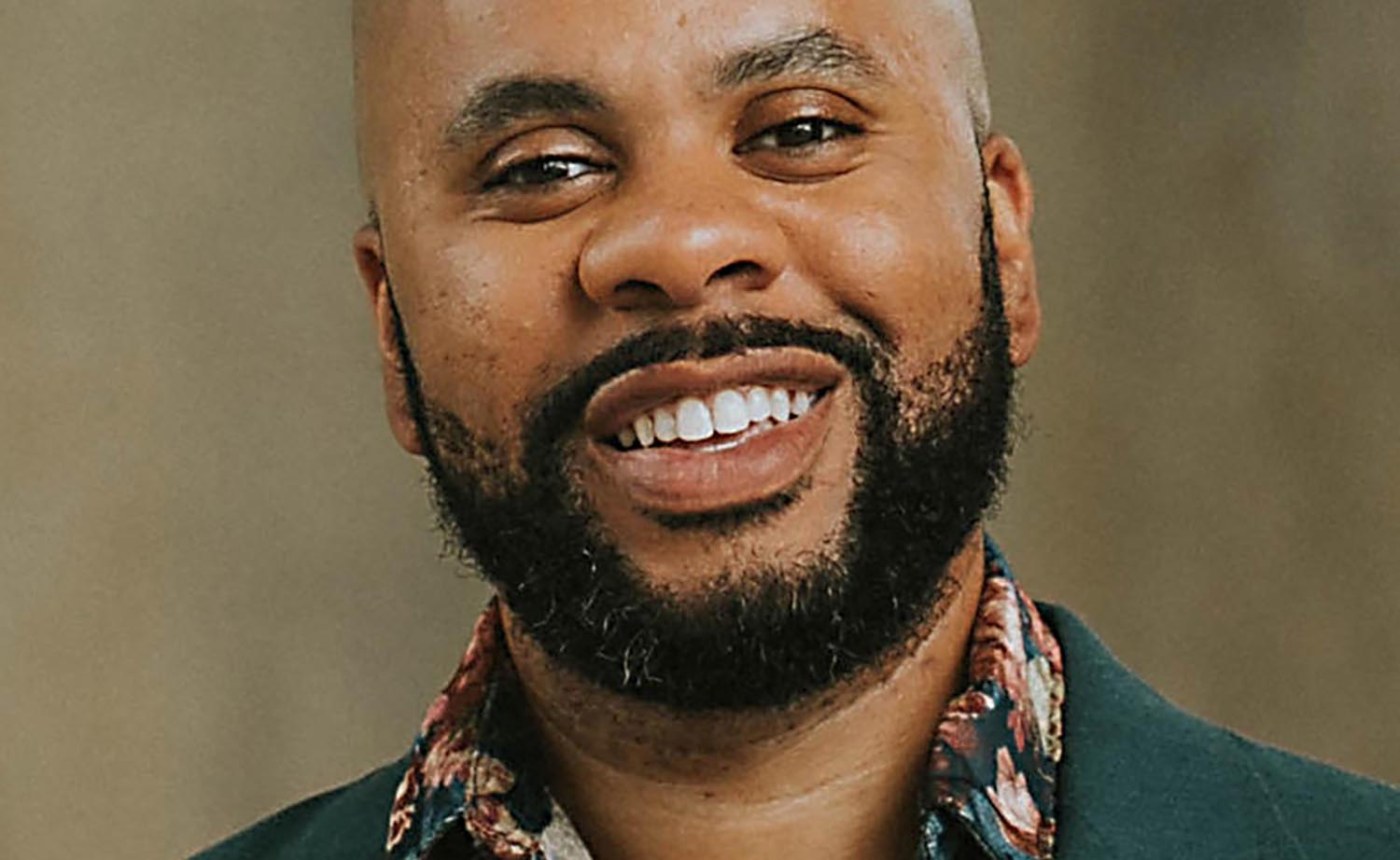
In response to her concerns, Eric Thomas, a columnist known for addressing personal dilemmas, suggests that the workplace comments are not merely teasing but rather mockery of a medical condition. He emphasizes the importance of confronting this behavior directly, advising that she approach human resources (HR) to discuss what constitutes appropriate workplace dialogue. If HR is unavailable, Thomas recommends a straightforward conversation with the colleagues involved, stating, “It’s inappropriate and unkind for you to make fun of my abilities.” He encourages her to maintain professionalism by steering the conversation toward job-related issues if necessary.
On the familial front, Thomas encourages her to view her siblings’ suggestions as expressions of concern rather than judgment. He notes that, given their shared experience, they may worry about her quality of life and the potential risks associated with untreated hearing loss, such as social isolation and links to dementia. While she is not obligated to follow their advice, he recommends considering their perspective as an offer of support.
Ultimately, the woman’s situation highlights the delicate balance between personal choice and social expectations surrounding health. She deserves respect for her decisions, yet the concern expressed by her siblings can provide a valuable perspective on her well-being.
As she navigates these challenges, it is vital for her to assert her boundaries while also fostering open communication with those around her. By doing so, she can work toward a more understanding environment, whether at home or in the workplace.
This case underscores the broader issue of how society interacts with individuals who have disabilities, particularly in terms of communication and support. As discussions about inclusivity continue, personal stories like this one will play a crucial role in shaping attitudes and policies in various settings.