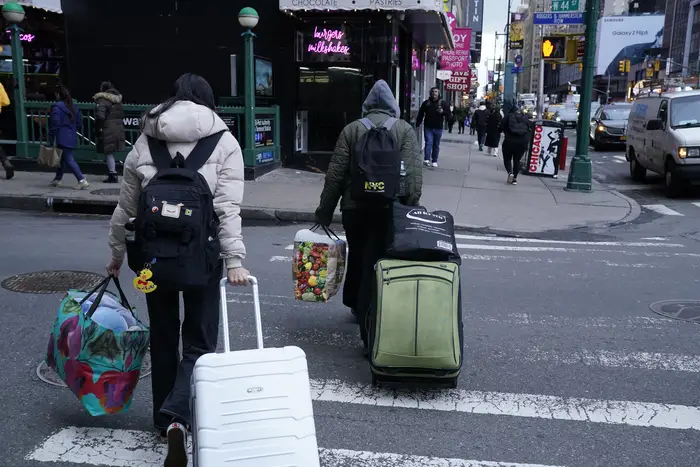
UPDATE: Mayor Zohran Mamdani has just signed an emergency executive order mandating a comprehensive review of New York City’s migrant shelters. The directive, announced by City Hall, requires city officials to devise a plan within 45 days to either close or renovate the city’s emergency shelters, addressing compliance with local laws governing capacity and cooking facilities.
The Department of Social Services and Department of Homeless Services, along with the Law Department, must submit their plan by February 19, 2025. This order comes as the city grapples with the aftermath of a significant influx of migrants, prompting a response to ensure that shelters meet legal standards that were previously suspended under a series of emergency orders issued by former Mayor Eric Adams.
As the city faced an overwhelming number of migrants, the Adams administration erected a network of temporary accommodations, including makeshift hotels and sprawling tent camps, to manage the situation. At the peak of the crisis, New York City operated 261 migrant shelters, many of which were ad-hoc structures designed to provide immediate relief.
However, the dynamics have shifted. Current data indicates that the number of migrants entering the shelter system has decreased significantly since mid-2024. As of the end of December, only three emergency shelters remain operational outside the traditional Department of Homeless Services system. Furthermore, another 200 migrant shelters, primarily situated in hotels, have been integrated into the DHS framework.
The urgency of this review highlights the city’s commitment to ensuring that migrant shelters are not only functional but also adhere to established safety and health regulations. The community impact is profound, as many families depend on these facilities for shelter and basic needs amid an ongoing humanitarian challenge.
Residents and advocates are encouraged to watch for developments in this situation, as the proposed changes could significantly affect the living conditions of thousands currently housed in these facilities. The forthcoming plan will address critical areas that have been overlooked during the previous administration’s emergency measures.
Stay tuned for more updates as this story unfolds. New Yorkers are urged to engage in discussions on how best to support vulnerable populations in our city while ensuring compliance with essential regulations.