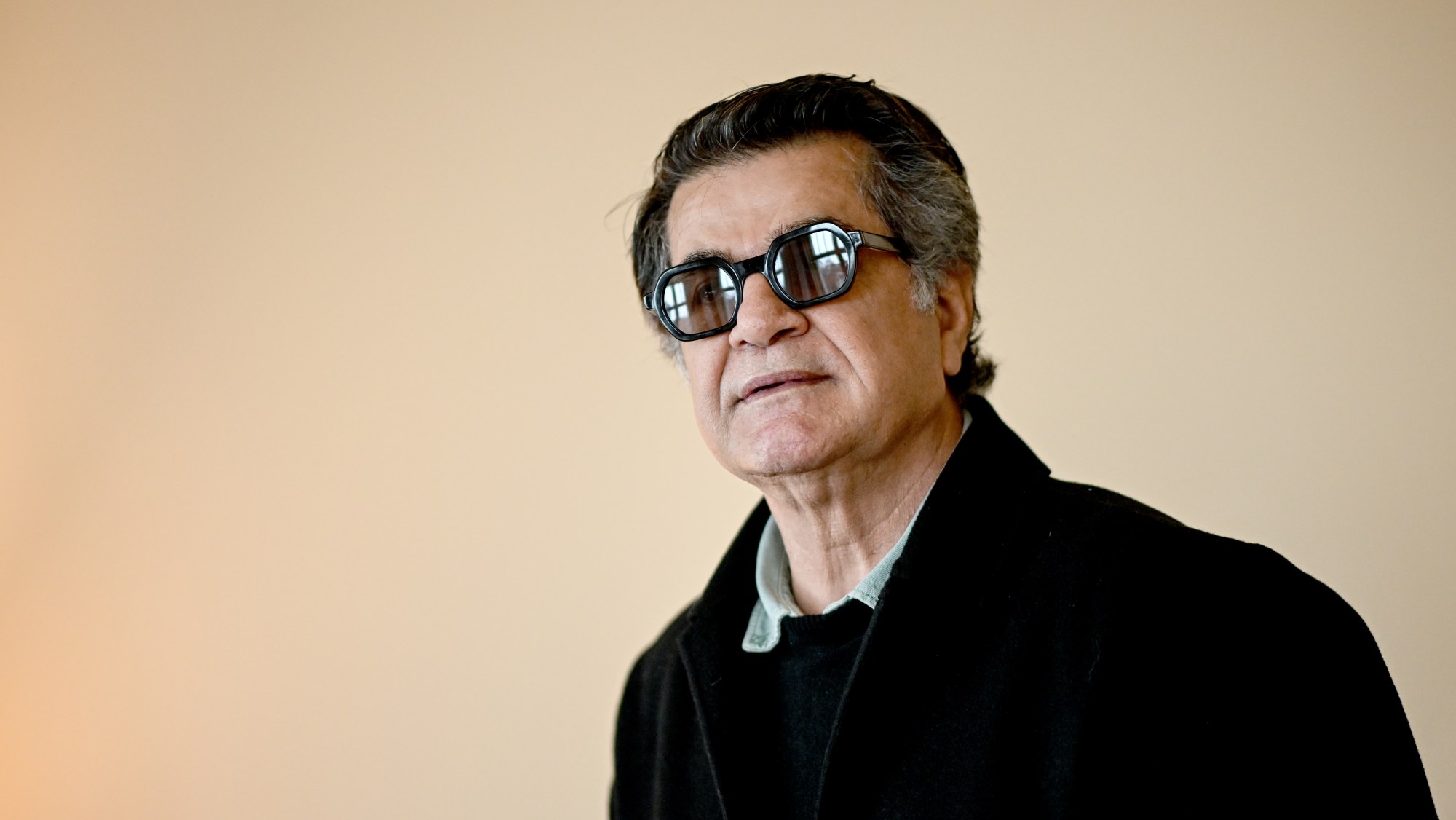
Filmmaker Jafar Panahi plans to return to Iran following a successful promotional tour for his new film, It Was Just an Accident. This decision comes despite a recent prison sentence and a travel ban imposed by the Iranian government. The acclaimed director, known for his dissident voice, has gained international recognition, including a Palme d’Or at the 2023 Cannes Film Festival for the film, which explores themes from his experiences in prison.
In November, distributor Neon announced that Panahi would embark on his first U.S. tour, a milestone after a decade-long travel ban, during which he also faced imprisonment and censorship in Iran. This tour coincided with the film’s world premiere in Cannes, where it captivated audiences and critics alike. After his tour, Panahi attended the Gotham Awards in New York, where he received accolades for directing and screenplay, further solidifying his status in the global film community.
On the day following the final stop of his U.S. tour at Lincoln Center, news broke that Panahi had been sentenced to an additional year in prison for “propaganda activities” related to his work. Despite this, he continues to promote the film worldwide, with upcoming screenings planned in Morocco and Germany. Panahi’s film has been nominated for significant awards, including the Golden Globe Awards for best picture and director, and has been shortlisted for an Oscar in the best international feature category.
Reflections on His Tour and the Film’s Reception
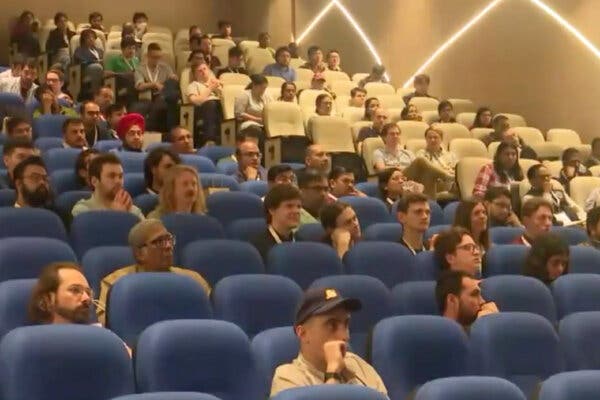
In a recent interview, Panahi discussed the unique experience of screening his film across various American cities, expressing how it allowed him to reflect on both its strengths and weaknesses. He noted the significant differences in audience reactions, particularly regarding the film’s comedic elements. For instance, he was surprised to see audiences laughing at moments he found serious, illustrating the cultural variances in interpreting humor.
The film’s exploration of dark themes struck a chord with audiences, yet Panahi acknowledged his uncertainties regarding how well the subtitled dialogue conveyed his intended meaning. He highlighted that feedback from diverse audiences was invaluable in understanding the film’s impact.
Despite the challenges he faces back home, Panahi remains committed to returning to Iran as soon as his current commitments conclude. His determination stems from a deep understanding of his country’s culture and the belief that he can only create authentically in the environment that shaped him.
Facing Challenges with Resilience
Panahi’s return to Iran comes at a precarious time, as anti-government protests continue to surge. He emphasized the sense of solidarity he feels with fellow filmmakers who are also facing governmental scrutiny and restrictions. He cited examples of colleagues who have faced similar challenges, including Ali Ahmadzadeh and Behtash Sanaeeha, who have been hindered in their work and creativity due to oppressive measures.
Reflecting on the broader implications of his work, Panahi acknowledged that many artists are confronting significant pressures from the Iranian government, especially women who have taken a stand in the wake of the Woman, Life, Freedom movement. He expressed empathy for those who choose to remain in Iran and continue their work despite the consequences.
Panahi’s appeal against his latest prison sentence is pending, and while he remains hopeful, he understands the complexities of the situation. He continues to navigate the delicate balance between celebrating his film’s success and confronting the harsh realities of life in Iran.
As he prepares to return to his home country, Panahi’s journey serves as a poignant reminder of the resilience of artists who choose to stand by their convictions, even amid adversity. His unwavering commitment to his craft and his people reflects a profound dedication to storytelling that transcends borders and resonates globally.