UPDATE: The Blizzard of 1996 remains one of the most significant winter storms in U.S. history, impacting millions from January 6-8, 1996. This notorious nor’easter blanketed the Eastern Seaboard with record snowfall, causing chaos and claiming at least 80 lives.
The storm, which buried Philadelphia under a staggering 30.7 inches of snow, paralyzed major cities like New York City and Boston with nearly 2 feet and 18 inches respectively. In parts of West Virginia, snow accumulations reached an astonishing 48 inches, according to the National Weather Service.
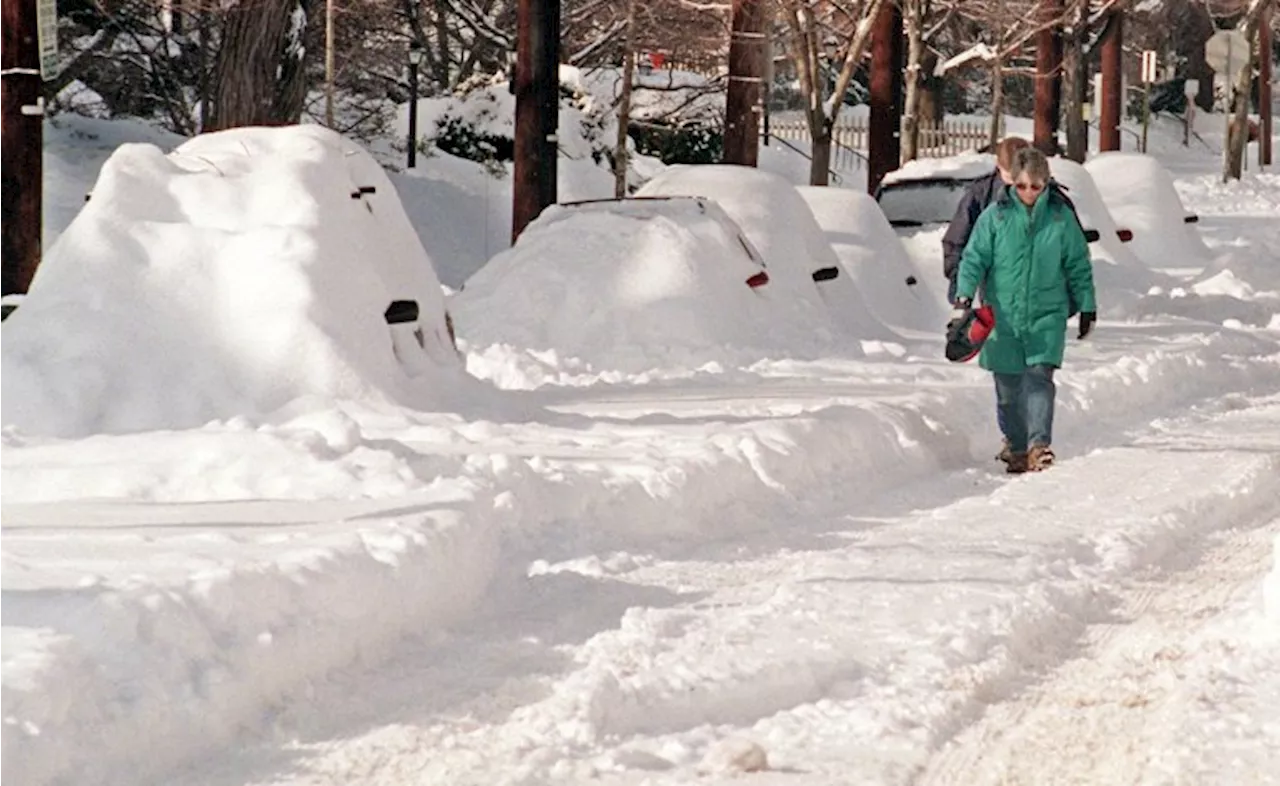
As the storm raged, blizzard conditions unleashed winds that whipped up snowdrifts between 5 to 8 feet, trapping vehicles and disrupting travel across the region. Reports indicated snowfall rates soared to 1-4 inches per hour, creating hazardous conditions and forcing several states to declare emergencies.
The aftermath of the blizzard was catastrophic. Many fatalities occurred due to heart attacks while shoveling snow, highlighting the storm’s severe human impact. In the days following the storm, a surge of warm air prompted rapid snowmelt and subsequent flooding, resulting in significant damage and at least 20 deaths due to flooding across Pennsylvania.
Meteorologists, including Senior Meteorologist Dave Dombek from AccuWeather, recalled the atmospheric conditions that led to the blizzard. “A classic setup with Arctic air from Canada met moisture from the Tennessee Valley, leading to explosive snowfall,” Dombek stated.
The storm not only shaped the current weather patterns but also influenced the careers of many who lived through it. Broadcast meteorologist Geoff Cornish, who was just 14 at the time, credits the blizzard as a key moment that ignited his passion for meteorology. “The snow was so deep it closed schools for days,” he recalled, describing a winter wonderland that resonated with many.
In Philadelphia, snow removal became a daunting task, leading city workers to use dump trucks to unload massive snow piles directly into the Schuylkill River. This drastic measure illustrated the unprecedented nature of the snowfall, as traditional plowing methods proved inadequate.
The Blizzard of 1996 set records that still stand today, including the greatest single-day snowfall in Philadelphia’s history, with 27.6 inches on January 7. For many in the region, this storm remains a powerful memory, often cited in discussions of extreme winter weather.
As we reflect on this historic event, the impacts of the Blizzard of 1996 serve as a stark reminder of nature’s power. As climate patterns evolve, the lessons learned from such monumental storms remain vital to understanding and preparing for future weather events.
Stay tuned for more updates as we continue to explore the legacy of the Blizzard of 1996 and its lasting effects on weather forecasting and community preparedness.