The CDC has revised its childhood vaccine schedule, now recommending vaccinations for only 11 diseases instead of the previous 18. This significant change has drawn both support and criticism, with some healthcare professionals advocating for the continuation of the earlier comprehensive schedule.
The new recommendations, which closely mirror those of Denmark, have raised concerns among pediatricians and parents alike. Dr. Stephen Turkovich, President of Golisano Children’s Hospital in Buffalo, New York, expressed his disapproval, stating, “My recommendation and the American Academy of Pediatrics’ recommendation is to actually not change anything. The previous vaccine schedule is evidence-based.”
The Trump administration has indicated that the changes aim to restore trust in public health. However, many doctors argue that the updated schedule could jeopardize the health of children. Under the new guidelines, vaccines for illnesses such as influenza, rotavirus, hepatitis A and B, certain forms of meningitis, and RSV are no longer universally recommended for all children. Instead, these vaccines are now suggested only for specific high-risk groups or through shared clinical decision-making.
The impact of the RSV vaccine is particularly notable. Dr. Turkovich highlighted the improvements in hospital conditions for young patients. “Two, three years ago, if you came to Children’s Hospital, we would be overwhelmed with patients, both in the emergency room and on the floors. Right now, we have open beds on the floors. It’s remarkable,” he noted.
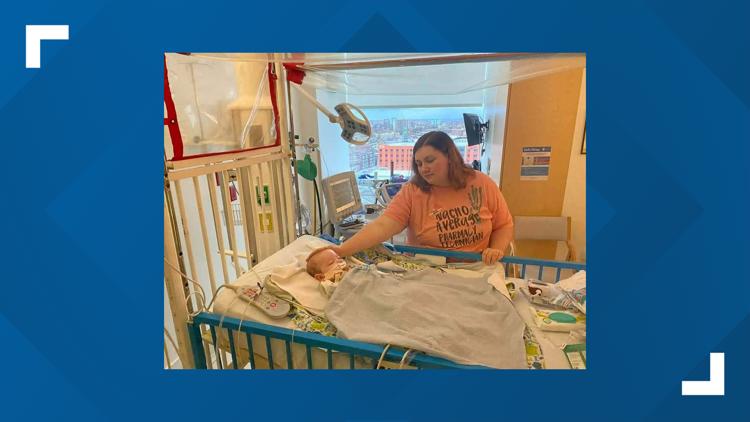
Parents like Lauren Ingrao have shared personal experiences that underscore the importance of vaccinations. When her twins were just two months old, the RSV vaccine was newly available, but they did not qualify for it. Ingrao’s son ended up in the pediatric intensive care unit (PICU) on a ventilator due to RSV, COVID, and pneumonia. She recounted, “He couldn’t cry. He was just squeaking and miserable.”
Ingrao’s struggle did not end there; her daughter also contracted RSV, forcing the family to remain separated during recovery. Fortunately, both children have since thrived, now three years old and healthy. Ingrao remains a strong advocate for vaccinations, stating, “I’m all for vaccines. I’d rather have autistic kids than dead kids any day. The RSV vaccine definitely saves lives.”
In light of these changes, the Trump administration has assured that insurance companies will continue to cover the childhood vaccines that have been removed from the updated schedule. This commitment aims to alleviate concerns among parents regarding access to crucial vaccines.
As the debate continues, it remains essential for parents and healthcare providers to stay informed and engaged in discussions about the best possible health outcomes for children.