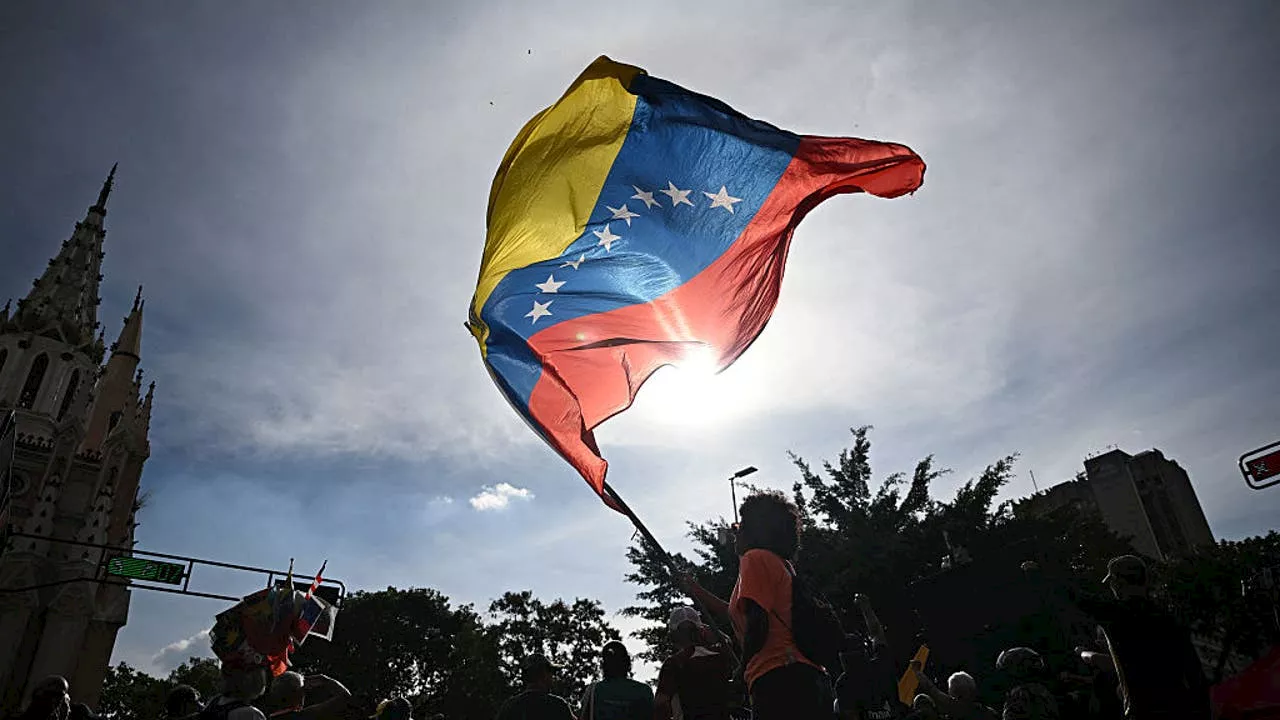
UPDATE: Recent polls show a significant divide among Americans regarding potential U.S. military intervention in Venezuela. As tensions rise following the capture of President Nicolás Maduro, public opinion remains largely skeptical about deeper U.S. involvement.
Just announced data reveals that approximately 45% of Americans oppose the U.S. taking control of Venezuela and determining its new government. This sentiment is echoed by nearly 90% of respondents who believe the Venezuelan people should decide their leadership. The Washington Post and SSRS conducted this poll over the weekend, highlighting a country torn on foreign policy.
While initial support for military action against Maduro emerged among some Republicans, public opinion is still largely against intervention. About 40% of those surveyed approved of U.S. military efforts to capture Maduro, but a similar portion opposed the action, leaving many undecided.
The context is crucial: President Donald Trump has hinted at a more aggressive U.S. role in the Western Hemisphere, yet many Americans express wariness about the implications. A previous Quinnipiac poll showed that 60% of registered voters opposed military action, with Republican support split—half in favor and one-third against.
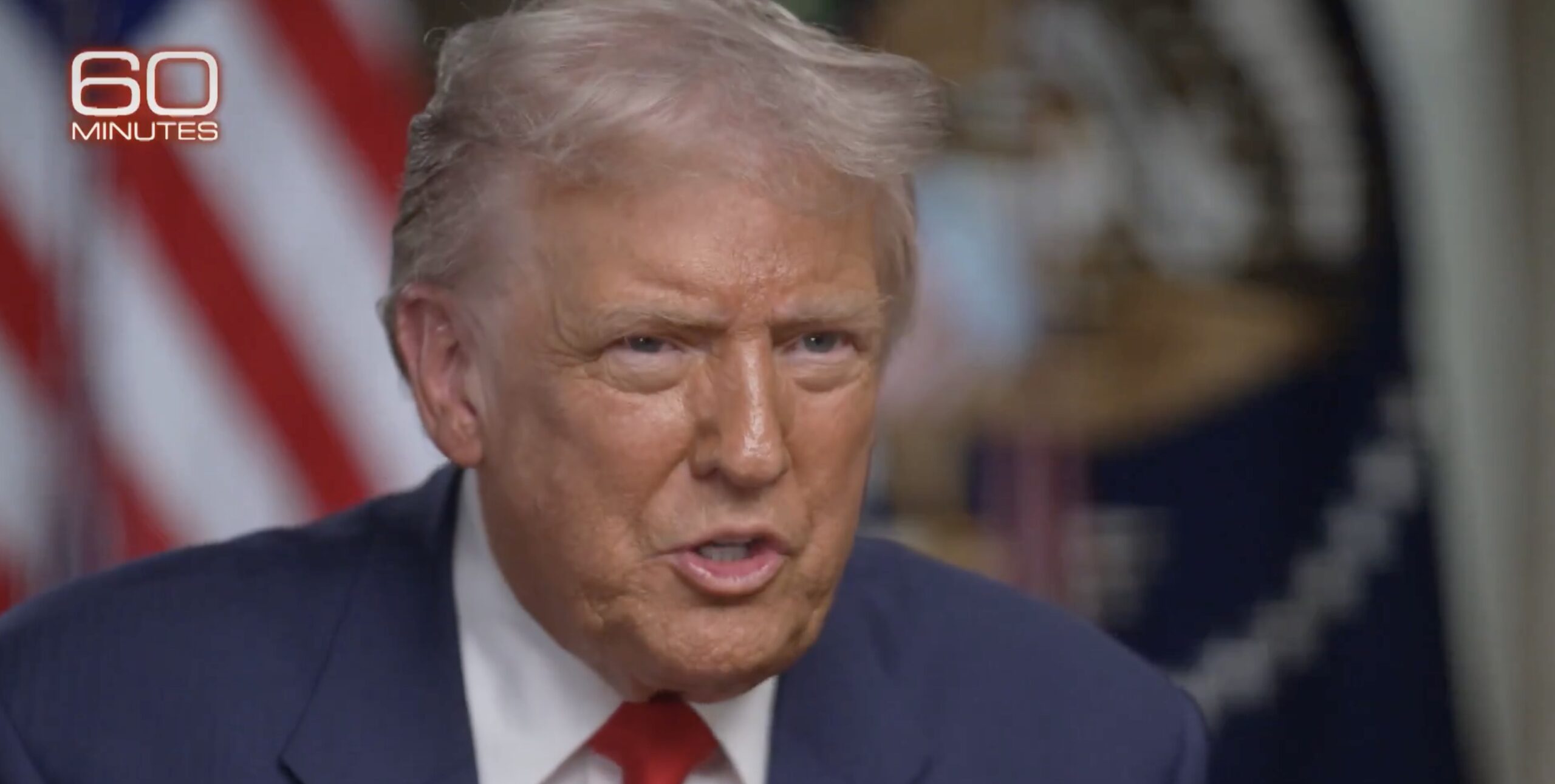
Concerns about the administration’s clarity regarding plans for Venezuela’s future linger. Trump’s vague assertions that the U.S. will “run” Venezuela post-Maduro have raised eyebrows among lawmakers and former officials, questioning the lack of a detailed strategy. Current U.S. officials indicate that any planning for a military occupation or interim governance has been confined to a small circle of Trump’s political allies.
Amidst this uncertainty, Maduro, who recently pleaded not guilty to federal drug trafficking charges, declared himself “the president of my country,” insisting on his constitutional rights. His indictment includes serious allegations of collaborating with drug cartels, which could lead to life imprisonment if convicted.
As the situation evolves, observers are left wondering what comes next for Venezuela and how the U.S. will navigate this complex geopolitical landscape. The public’s response to any decisive actions in the coming days will be pivotal.
Stay tuned for updates as this story develops. The implications for U.S. foreign policy and the Venezuelan populace are significant, and the global community is watching closely.