UPDATE: President Donald Trump is laying claim to Venezuela’s vast oil reserves, estimated at over 300 billion barrels, following his capture of President Nicolás Maduro. This move has sparked urgent warnings from climate experts about the severe environmental implications of tapping into one of the world’s dirtiest oil sources.
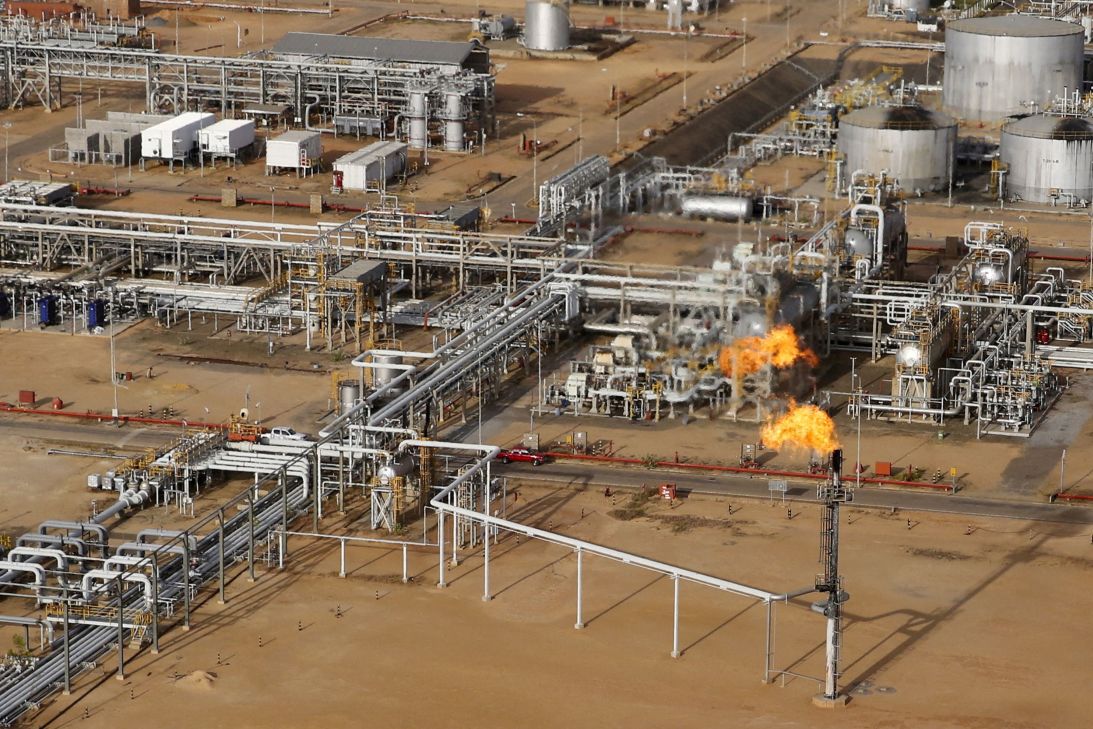
The stakes are high as Trump envisions U.S. oil companies investing billions to exploit these resources. However, experts like Guy Prince from Carbon Tracker emphasize that Venezuelan oil, primarily sourced from the Orinoco Belt, is classified as “heavy sour crude.” Unlike lighter oils, this thick, viscous substance is energy-intensive to extract, requiring heating methods that generate significant carbon emissions.
“It has to be heated, usually by pumping steam into the reservoir,” warns Lorne Stockman, co-director at Oil Change International. The extraction process is not only energy-heavy but also heavily reliant on natural gas, exacerbating climate pollution.
According to the International Energy Agency, the methane emissions from Venezuelan oil operations are six times the global average. This is largely due to the country’s outdated infrastructure, which increases the risk of spills and methane flaring. The climate impact is staggering; producing a single barrel of Venezuelan oil releases more than double the global average emissions, reports Patrick King from Rystad Energy.
If U.S. oil majors step in, there may be potential to reduce emissions, but experts caution that significant challenges remain. “There are limits to how much could be reduced,” King adds. The high sulfur content complicates refining, necessitating specialized equipment and further energy input, both of which contribute to climate change.
Environmental concerns extend beyond extraction. Leaking pipelines and inadequate maintenance have led to numerous oil spills. The Venezuelan Observatory of Environmental Human Rights reported 199 spills between 2016 and 2021, although actual numbers are likely much higher due to insufficient reporting.
Economic feasibility is another pressing issue. Venezuela’s oil production has plummeted from 2 million barrels a day in 2016 to fewer than 1 million barrels a day now. The country would require over $53 billion in investment just to maintain current production levels, while ramping up to its previous highs could cost a staggering $183 billion.
“Today’s energy market doesn’t support these high-cost, high-emission projects,” warns Prince. Global oil demand is tapering off, making such investments increasingly unviable.
The broader climate implications are troubling. While increased Venezuelan production could lead to higher emissions, the real danger lies in the potential distraction from the clean energy transition. “The most significant climate impact would be indirect,” Prince states, “creating instability that slows coordinated climate action.”
As developments unfold, the consequences of Trump’s pursuit of Venezuelan oil could reshape global climate efforts, raising critical questions about sustainability and environmental responsibility. The world is watching closely as these events unfold.