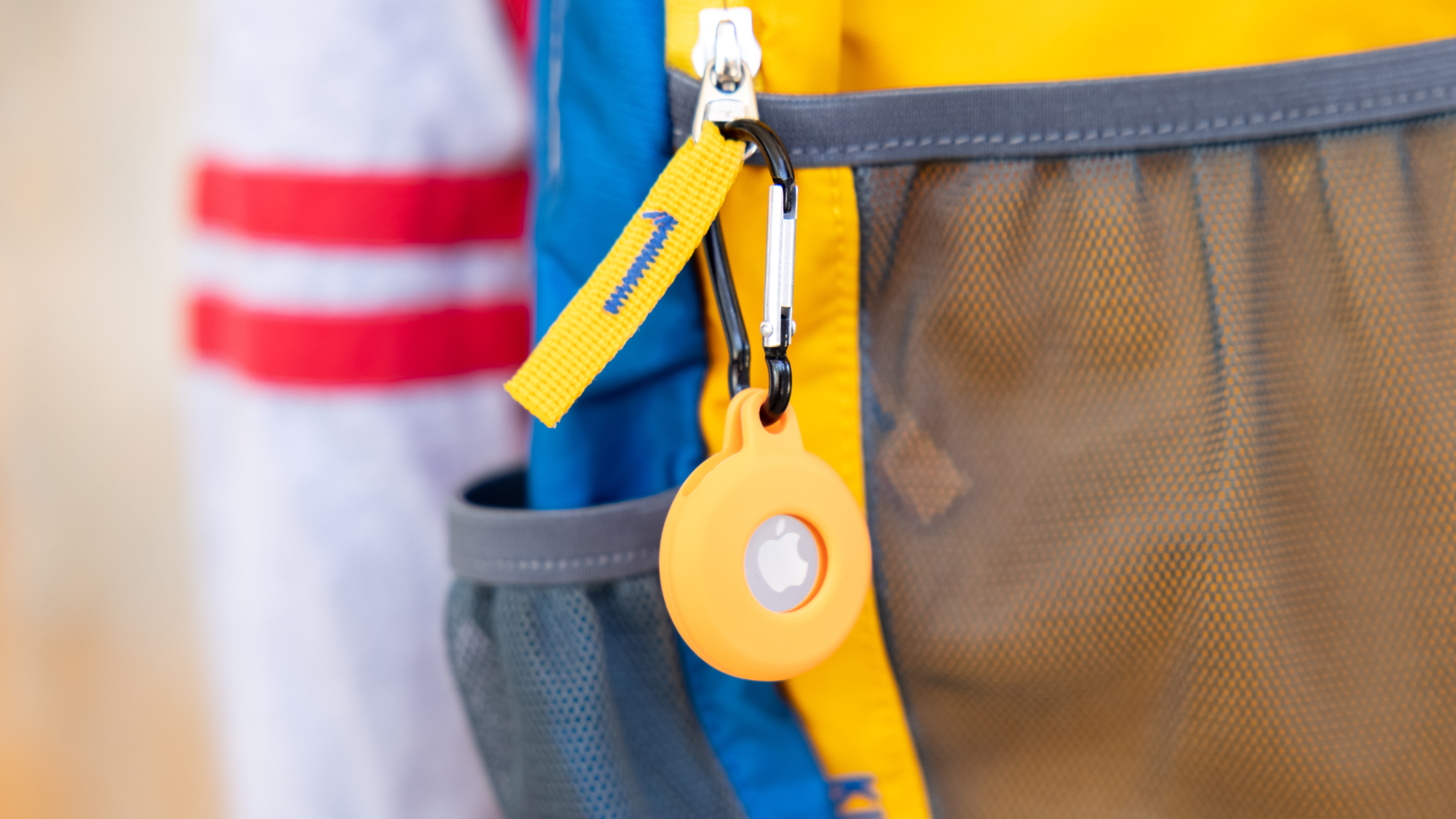
The practice of monitoring children’s whereabouts using devices like Apple AirTags or apps such as Find My Friends has become increasingly common among parents, even after their children leave home. A survey conducted by Unite Students in September 2023 revealed that 67% of parents with first-year university students track their child’s location through an app, while only 17% maintain daily contact. The survey also indicated that 71% of fathers closely monitor their children compared to 59% of mothers. This raises the question: does this trend provide genuine safety and comfort, or does it cross ethical boundaries?
The Comfort of Technology
For many parents, technology acts as a reassuring tool. Naomi Greenaway recounted in The Telegraph how placing a small tracking device in her son’s blazer pocket eased her anxiety when he started taking the train alone to secondary school in London. She noted that this small measure made the journey less intimidating for both of them. Other parents echoed her sentiments in WhatsApp groups, highlighting that although smartphones are often given around the “tween years,” many are hesitant due to the challenges they can bring. Greenaway found that having a digital connection to her children provided “immense comfort” during emotionally challenging moments, such as monitoring her daughter at nursery through a camera.
In a similar vein, Esther Walker expressed in The Times that parents often categorize their children as either “wandering off” or “staying close.” She recalled a harrowing experience of losing her four-year-old daughter at a playground, which made her appreciate the peace of mind that tracking devices could provide. While she admitted that AirTags can sometimes give “wildly inaccurate readings,” for now, they serve as the closest thing to magical reassurance for parents navigating the complexities of raising children in the digital age.
The Dangers of Over-Monitoring
Despite the perceived benefits, concerns about the implications of constant surveillance are growing. Charlotte Cripps, writing for The Independent, shared her experience of using an AirTag to keep tabs on her children, ages six and four. Initially believing that constant monitoring would keep her children safe, she found that it led to heightened anxiety and paranoia. Constantly checking for updates, she admitted to catastrophizing minor moments, fearing a kidnapping when she briefly lost sight of them in the park. This led her to question her method: “What the hell was I doing?”
A coalition of health professionals, organized by Generation Focus, is advocating for a reconsideration of parental surveillance. They argue that such practices may foster anxiety in children and undermine their ability to develop self-reliance and resilience. In an open letter, the group urged parents to reflect on whether the increasing trend towards monitoring is genuinely beneficial for their children. This approach, often labeled “helicopter parenting,” can create an exhausting environment for both parents and children.
As Zing Tsjeng noted in The i Paper, while understanding the safety concerns driving the desire to monitor children, it is crucial for parents to evaluate the extent of their oversight. Questions arise about trust and independence: at what age do parents feel comfortable allowing their children to navigate the world without constant tracking? The challenge lies in finding a balance between safety and fostering autonomy.
The ongoing debate about the ethics of tracking children is a reflection of broader societal concerns about parenting in the digital age. As technology continues to evolve, parents must navigate the fine line between ensuring their children’s safety and allowing them the freedom to grow and learn independently.