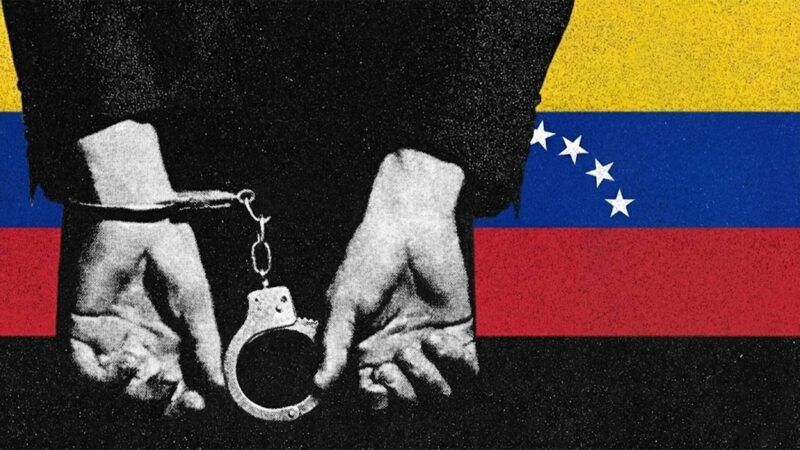
BREAKING NEWS: Venezuela’s National Assembly President Jorge Rodríguez just announced the release of a “number of important Venezuelan people and foreigners” as part of a “gesture for peace.” This declaration comes amid heightened political tensions following the recent capture of Nicolás Maduro, with implications that could ripple through the country’s already tumultuous political landscape.
Among those already freed is prominent human rights lawyer Rocío San Miguel, whose arrest last February sparked significant public outcry. San Miguel was detained at Caracas’ main airport alongside five family members and has faced serious charges including treason and conspiracy. For months, she was confined to El Helicoide prison, where she was denied access to legal representation. Her release is a hopeful sign for many, but uncertainty looms over other political prisoners.
Another key figure, María Oropeza, a young libertarian activist, was arrested in 2024 for denouncing the regime and declaring Edmundo González as the legitimate president-elect. She livestreamed her arrest, and a disturbing video released by military counterintelligence depicted her in confinement. As of now, there is no confirmation regarding her release status.
The recent detentions of Pablo and Lubin Montilva raise alarms as they were arrested for allegedly celebrating Maduro’s kidnapping. Facing charges that could lead to up to 30 years in prison, their fate remains unclear. Reports indicate that over 53,000 Venezuelans have suffered political imprisonment under Maduro’s regime, as highlighted by the human rights organization Provea.
The Venezuelan government’s history of using political repression as a control mechanism is well-documented. The brutal treatment of detainees is exemplified by the case of Fernando Albán, an opposition councilman who died under suspicious circumstances in 2018 after suffering severe mistreatment while in custody. His tragic story, along with others like Gen. Raúl Isaías Baduel, who died in prison in 2021, illustrates the deadly consequences of the regime’s policies.
As political repression escalates, the regime’s response includes declaring a state of emergency and targeting any perceived dissent. Recent arrests of journalists covering the swearing-in of the newly elected National Assembly have drawn international condemnation, with Steffano Pozzebon of CNN being deported after his detention.
Observers speculate whether this release of political prisoners is a strategic move to alleviate U.S. pressure or a genuine effort toward democratization. The international community is watching closely as the situation in Venezuela continues to evolve, with potential implications for regional stability.
Stay tuned for updates on this developing story as more information becomes available. The situation remains fluid, and the fate of other political prisoners hangs in the balance.