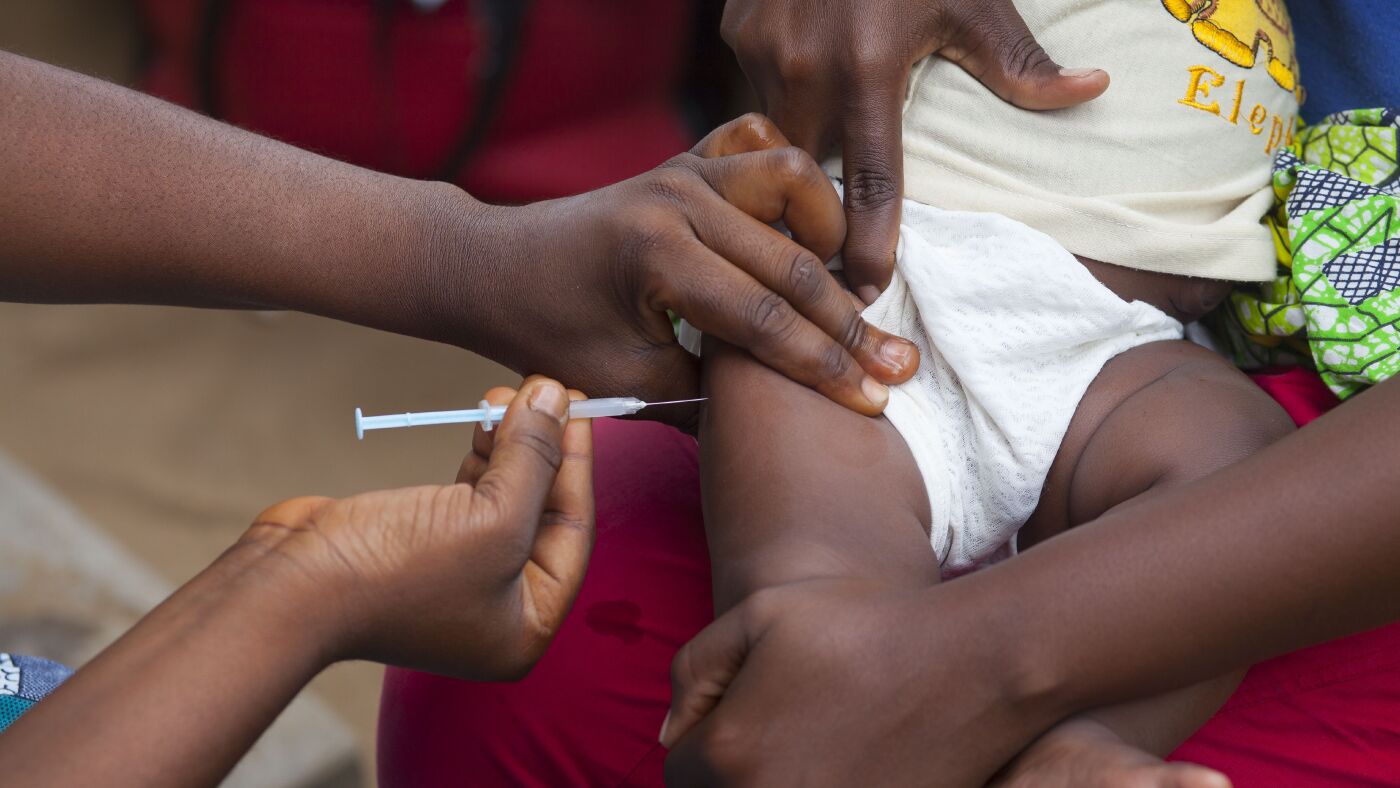
The Centers for Disease Control and Prevention (CDC) announced a significant reduction in the number of vaccines recommended for children, including the critical hepatitis B vaccine, previously administered in a three-dose series starting at birth. This decision has raised concerns among health experts, particularly as the CDC attributes more than 1,800 deaths to hepatitis B annually in the United States. The announcement comes amid ongoing debates surrounding vaccine safety, notably fueled by Health Secretary Robert F. Kennedy Jr., who has questioned the efficacy of the newborn hepatitis B dose.
Kennedy labeled the U.S. a “high outlier” in terms of immunization recommendations, using this argument to advocate for the removal of the hepatitis B vaccine from the newborn schedule. However, a memo from the Department of Health and Human Services revealed that 20 peer nations still recommend the hepatitis B vaccine for all children, either at birth or later in childhood, with the exception of Denmark and Finland.
The implications of this policy change are profound, particularly for countries like Ghana, which faces a growing hepatitis B crisis. Approximately 10,000 new infections occur each year in Ghana, a nation of 35 million people. According to health experts, the absence of the newborn vaccination exacerbates the virus’s spread, especially through mother-to-child transmission, which can result in lifelong infections in infants.
Dr. Samuel So, a specialist in hepatitis B at Stanford Medicine, expressed concern about the impact of this decision on public health. He stated, “This has done so much damage to the reputation of the CDC.” The situation in Ghana illustrates the dire need for effective vaccination strategies. Currently, nearly one in ten Ghanaians suffers from chronic hepatitis B, with complications from the virus contributing to rising mortality rates.
The urgency for vaccination in Ghana is underscored by the fact that the virus can be effectively prevented with a timely birth dose. Administering the first shot within 24 hours of birth, followed by two additional doses, can protect approximately 75% to 95% of infants from infection. Despite recommendations from the World Health Organization (WHO) since 2009, Ghana still lacks widespread access to the hepatitis B birth vaccine.
Ghana’s efforts to combat hepatitis B have faced numerous challenges, including economic constraints and inadequate health infrastructure. Charles Adjei, executive director of the Hepatitis Alliance of Ghana, highlighted the need for public funding, stating, “We haven’t taken that bold step yet.” The country’s healthcare system struggles with limited resources, spending only about $82 per person on health annually. The cost of the newborn vaccine, while initially low, has become a barrier due to funding issues with Gavi, an organization that supports immunization programs in low-income countries.
Despite these challenges, there is hope. A public push led by various advocacy groups, including the involvement of Ghanaian rapper Kwame Nsiah-Apau, also known as Rap Doctor, has raised awareness about hepatitis B and the importance of vaccination. His efforts, along with those of health advocates, have garnered attention, leading to Gavi’s commitment in 2021 to support the hepatitis B birth dose program in Ghana.
However, setbacks, including the COVID-19 pandemic, have delayed the implementation of the program. Adjei remains hopeful but acknowledges the frustration surrounding the government’s slow response. “It’s been a very, very, very long fight,” he said, emphasizing the need for urgency in the face of rising infection rates.
Looking ahead, Ghana’s government has announced plans to officially introduce the hepatitis B birth vaccine, but uncertainty remains about the timeline. Adjei expressed concern about the ongoing challenges, stating, “You keep on reminding the government almost every day about the need to have this on the priority table.”
Health professionals, including Dr. Yvonne Ayerki Nartey, who conducts research in Ghana, continue to advocate for effective vaccination strategies, recognizing the potential of a hepatitis B-free future. “It’s a good feeling to see that you are doing something to try to reduce the burden of the largest cause of cancer mortality in your country,” Nartey remarked.
Ghana’s journey toward effective hepatitis B vaccination highlights the complexities of public health policy and the urgent need for international support. As the country prepares to move forward, it is essential to ensure that all infants receive the protection they need from this preventable disease.