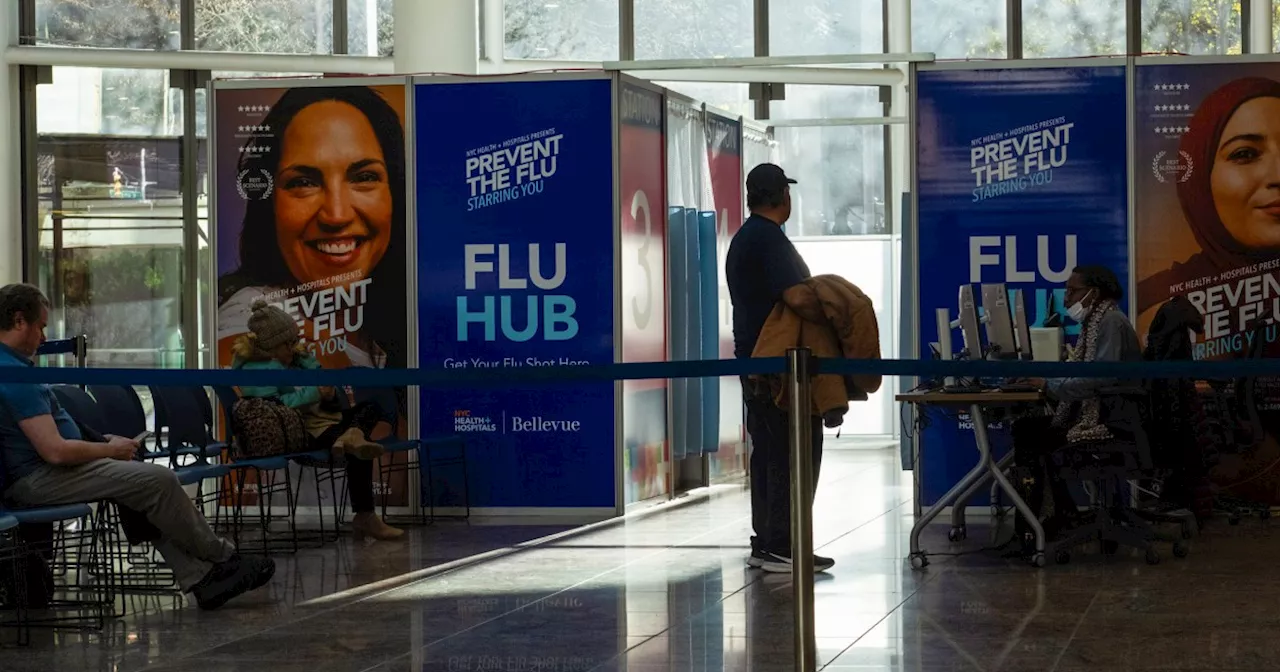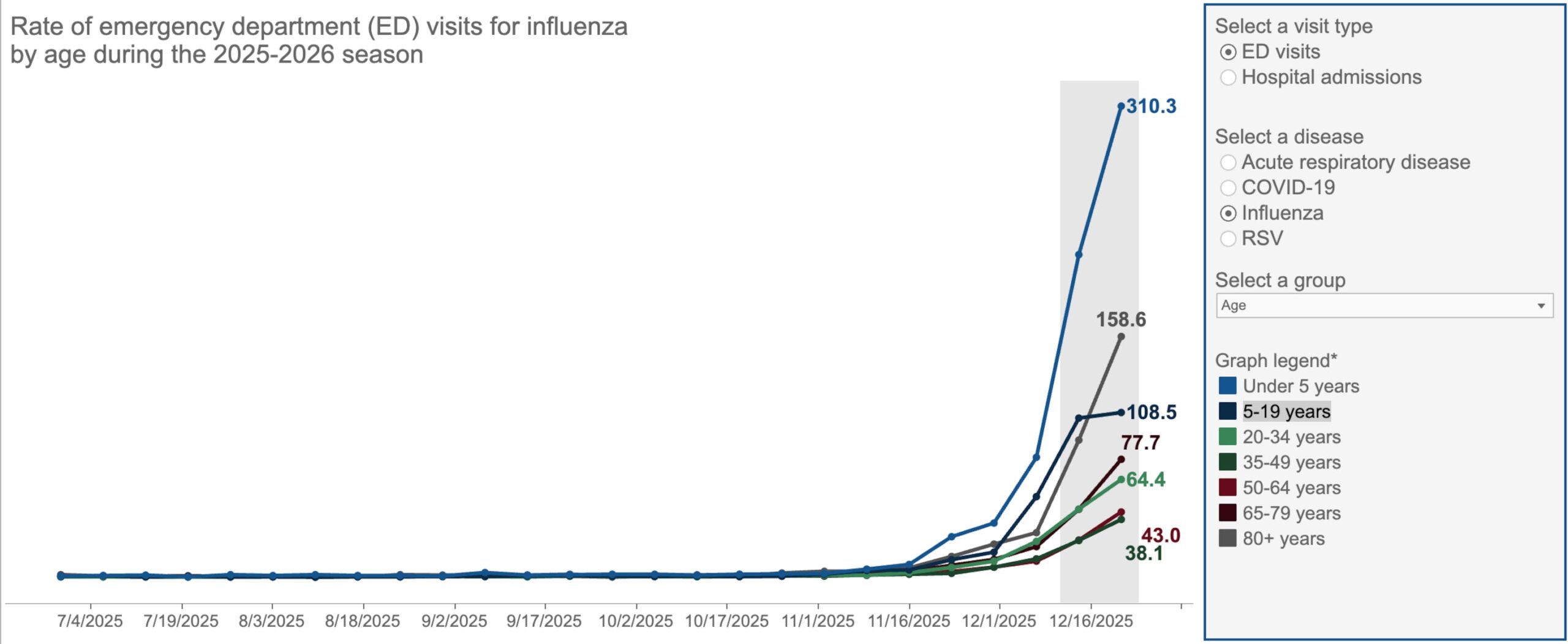
A serious public health crisis is unfolding as the flu season intensifies, with a significant rise in cases of COVID-19 and measles across the United States. As of early January 2026, the Centers for Disease Control and Prevention (CDC) reports alarming statistics: approximately 11 million flu cases, 120,000 hospitalizations, and 5,000 deaths have been recorded this season alone. In Massachusetts, the situation is particularly dire, with four children among the nine flu-related fatalities nationwide.
The increase in flu and respiratory syncytial virus (RSV) cases has prompted a reevaluation of vaccination recommendations. Surprisingly, the federal government recently announced a cessation of flu vaccination recommendations for children, as well as other critical immunizations—including hepatitis A and B, meningitis, rotavirus, and RSV. This decision raises concerns, especially given that measles vaccination rates have plummeted to 92.7%. Experts assert that herd immunity, which protects communities from outbreaks, requires at least 95% of the population to be vaccinated.
The CDC has confirmed a significant uptick in measles cases, with 2,144 cases reported in 2025 and three cases already in 2026. Once eliminated in the U.S. in 2000, the resurgence of measles is particularly troubling, as it was responsible for approximately 400 child deaths annually prior to its eradication. The decline in vaccination rates, coupled with the government’s decision to no longer require Medicaid programs to report immunization data, poses a substantial risk of increased outbreaks of preventable diseases.
Dr. Robbie Goldstein, the Massachusetts Public Health Commissioner, emphasized the gravity of the situation. In a recent press release, he stated, “These viruses are serious, dangerous, and life-threatening. We are seeing children who are seriously ill, families grieving devastating losses, and hospitals under capacity strain.” He advocates for vaccinations, noting, “There is a simple, effective, and available way to address these concerns: vaccines. They can prevent serious illness and hospitalization. And they save lives.”
The withdrawal of vaccination recommendations has left many parents confused and concerned about their children’s health, especially as they navigate government guidelines that lack scientific backing. The American Academy of Pediatrics has responded by releasing its own evidence-based immunization schedule, underscoring the necessity of vaccines in protecting children from preventable illnesses.
The implications of these public health decisions are profound. Without a clear understanding of the current vaccination landscape, communities are left vulnerable to outbreaks. The chaos surrounding these changes can lead to increased illness and mortality, particularly among children who are most susceptible to these diseases.
The historical context of diseases like measles serves as a stark reminder. Nursery rhymes like “Ring Around the Rosie” reference the bubonic plague, illustrating the devastating impact of infectious diseases. Today, the hope is that children will only know these rhymes as playful songs rather than harbingers of preventable illness.
As the flu season progresses, it is crucial for individuals to prioritize vaccinations and stay informed about public health recommendations. Vaccination is not just a personal choice but a communal responsibility that protects the most vulnerable among us. In the face of rising case numbers, the call to action is clear: prioritize health, seek vaccinations, and ensure that children’s lives are safeguarded against preventable diseases.