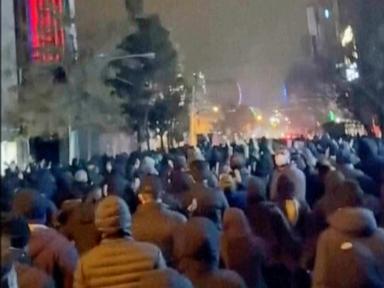
Nationwide protests in Iran have escalated sharply, with demonstrators taking to the streets in the capital, Tehran, and the second-largest city, Mashhad. As of March 15, 2024, the violence surrounding these protests has resulted in at least 116 fatalities, according to reports from the U.S.-based Human Rights Activists News Agency. Activists also report that approximately 2,600 individuals have been detained amid a growing crackdown on dissent.
The current wave of protests has now surpassed two weeks, marking a significant challenge to Iran’s theocratic regime. With the internet shut down and phone lines cut off, gaining accurate information from within the country has become increasingly difficult. Observers fear that the information blackout may embolden hard-liners in Iran’s security forces to intensify their response against demonstrators.
International responses have begun to emerge, with U.S. President Donald Trump expressing support for the protesters. He stated on social media that “Iran is looking at FREEDOM, perhaps like never before. The USA stands ready to help!!!” Reports indicate that Trump has been presented with military options regarding potential action against the Iranian regime, although no final decision has been announced.
Demonstrations and Government Response
Videos reportedly originating from Tehran show protesters gathering in the Punak neighborhood, where they waved lit mobile phones and banged metal objects as fireworks erupted. In Mashhad, demonstrations appeared to escalate into confrontations with security forces, with footage showing flaming debris and barricades in the streets. This city holds particular significance due to the presence of the Imam Reza shrine, the holiest site in Shiite Islam, which adds weight to the protests occurring there.
Additional protests have also been reported in Kerman, located approximately 800 kilometers southeast of Tehran. Iranian state television has attempted to portray calm in various cities, including Qom and Qazvin, but notably excluded footage from Tehran and Mashhad.
As tensions rise, Supreme Leader Ayatollah Ali Khamenei has indicated a forthcoming crackdown on dissent. Iran’s attorney general, Mohammad Movahedi Azad, declared that participation in protests would categorize individuals as “enemies of God,” a charge that can carry the death penalty. The regime’s threats have intensified, with warnings directed at anyone perceived to support the protests.
Background and Economic Context
The protests initially ignited on December 28, 2023, in response to the collapse of the Iranian rial, which has plummeted to over 1.4 million to $1. The country is grappling with severe economic challenges exacerbated by international sanctions, particularly those related to its nuclear program. The demonstrations have evolved from economic grievances to outright challenges against the theocratic governance.
Exiled Iranian Crown Prince Reza Pahlavi has called for continued protests, urging demonstrators to reclaim public spaces and display national symbols from the pre-revolutionary era. His involvement has sparked debate about the potential return of monarchical rule versus ongoing support for democratic reforms.
As the situation unfolds, the international community closely monitors developments within Iran, particularly regarding the potential for further violence against civilians and the implications for regional stability. The coming days will be crucial as both protesters and authorities position themselves in this pivotal moment in Iranian history.