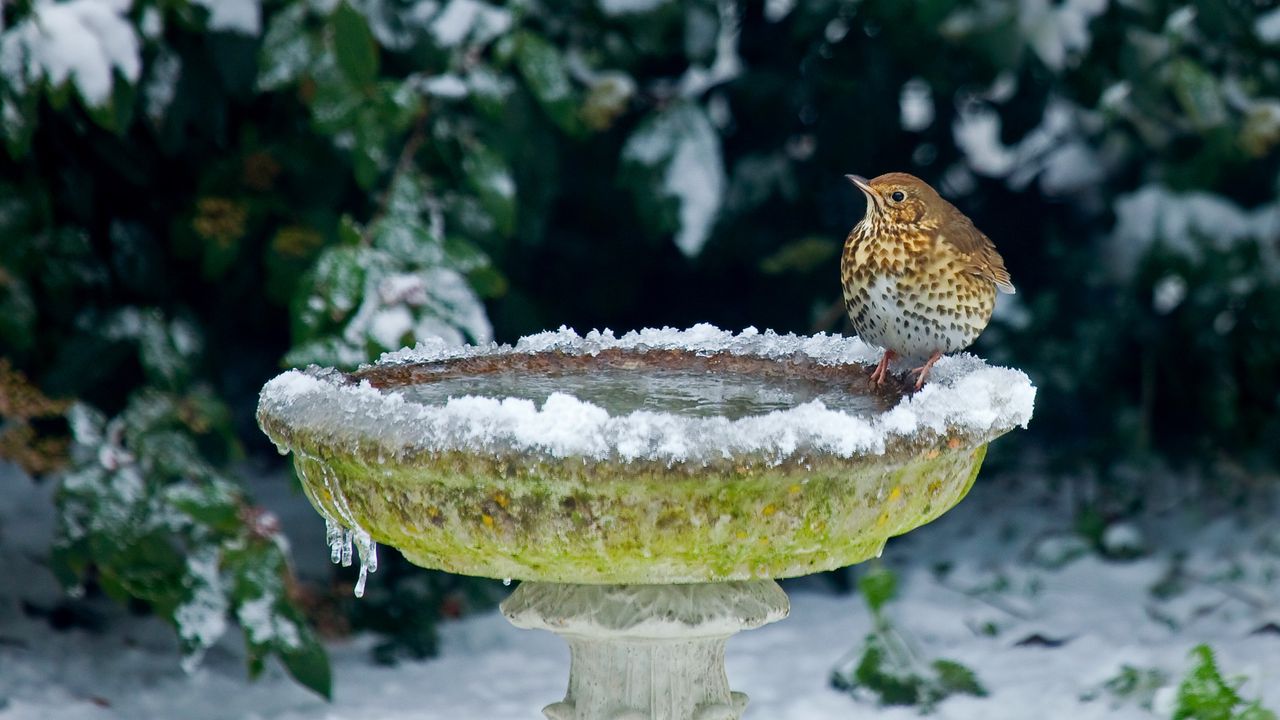
As winter approaches, maintaining a functional bird bath can significantly benefit local wildlife. A simple and cost-effective method to prevent freezing is to use a common household item: a table tennis ball, which typically costs around $2. This approach not only protects the water supply for birds but also enhances their outdoor experience during colder months.
Bird baths serve as essential hydration sources for various birds that do not migrate south in winter. Contrary to popular belief, many avian species remain in local areas during the colder months, making fresh, unfrozen water a vital resource. In addition, freezing temperatures can lead to damage to the bird bath itself, making it important to take preventive measures.
Utilizing Simple Solutions
One of the most effective ways to prevent ice formation is by adding a floating object to the bird bath. A table tennis ball, which adheres to official measurements of 40mm and 2.7 grams, is ideal for this purpose. As the ball moves with even the slightest air current, it disrupts the formation of ice crystals, helping to maintain a liquid surface.
While purchasing a bird bath heater is another option, these devices often pose safety risks due to the combination of water and electricity. They can also be bulky and add to electricity bills. Thus, the use of a table tennis ball stands out as a more practical and visually appealing alternative.
Cold weather does not immediately freeze the entire water surface in a bird bath. Instead, the water temperature varies, especially at the surface. Factors such as sunlight exposure and wind can affect the rate at which ice forms. By keeping the water moving with a floating object, the chances of ice solidifying into a thicker layer diminish.
Additional Tips for Winter Preparation
For those living in particularly cold regions, several additional strategies can enhance the effectiveness of your bird bath during winter months:
1. **Add a Dark Layer**: Incorporating black river rocks or painting the base of the bird bath black can help absorb sunlight, which in turn raises the water temperature during the day.
2. **Relocate the Bird Bath**: Positioning the bird bath in a sunny spot with minimal wind exposure can significantly impact water temperature. Creating a windbreak around the bath may also provide additional warmth.
3. **Insulate the Basin**: Wrapping the bird bath in straw or burlap not only adds insulation but can also create a rustic aesthetic. This protection is particularly beneficial during extreme weather.
4. **Maintain Water Levels**: Keeping the bird bath filled with water can slow the freezing process. Adding warm water daily can help maintain a stable temperature without shocking the material.
5. **Choose Frost-resistant Materials**: Opting for a bird bath made of resin rather than ceramic or stone can reduce the risk of cracking due to freezing.
While these methods can help prevent freezing, there are also actions to avoid. Pouring boiling water into the bird bath can shock the material, potentially causing it to crack. Similarly, adding salt or chemicals to lower the freezing point can contaminate the water, making it unsafe for birds. Lastly, using space heaters outdoors is not advisable due to the risk of fire and electrical hazards.
By implementing these strategies, bird enthusiasts can ensure their outdoor spaces remain hospitable to local bird populations throughout the winter months.