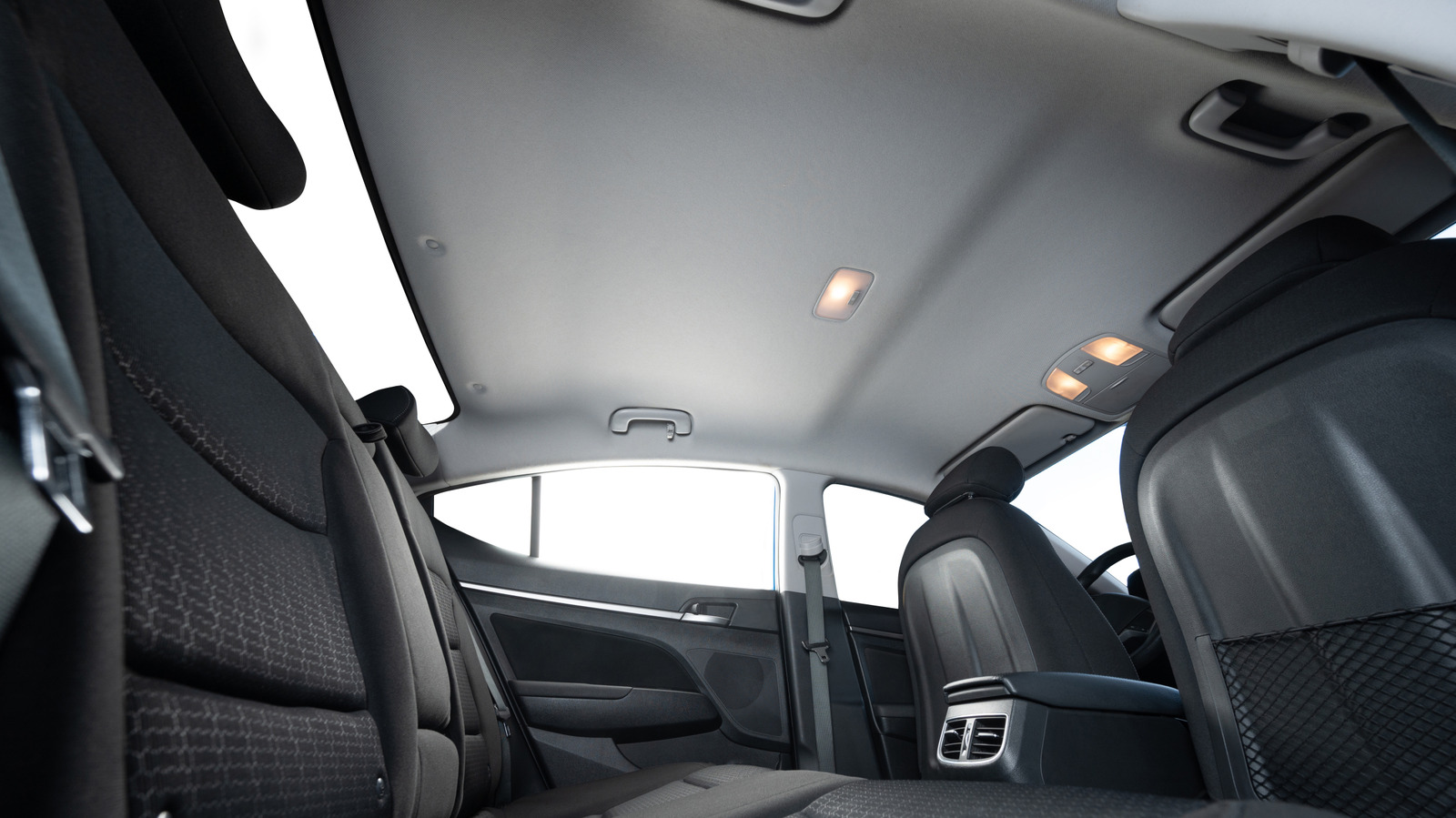
Car interiors are evolving, reflecting the latest trends in modern design. Consumers now seek minimalism, ambient lighting, larger screens, and eco-friendly materials, such as polymer and synthetic leather. While many drivers customize their vehicles by upgrading seats or trim, re-trimming the headliner is often overlooked despite its significant impact on the cabin’s ambiance. According to AutoZone, foam-backed fabric is the most versatile material for car headliners due to its affordability, ease of installation, and factory appearance. However, selecting the best headliner material ultimately depends on individual budget, preferences, and priorities.
Evaluating Headliner Materials
Understanding the various headliner options available can aid in making an informed decision. Foam-backed fabric features a laminated fabric layer glued to the vehicle’s roof. This lightweight material is easily stretched to prevent wrinkling. While it typically resists sagging early on, excessive heat can weaken the adhesive, leading to drooping. Most factory-installed headliners utilize this material, making it a popular choice among manufacturers.
For those living in humid climates or for vehicles that experience heavy usage, a vinyl headliner may prove more suitable. Vinyl is known for its durability, ease of cleaning, and resilience against environmental damage. These qualities make it a prime option for convertibles and other vehicles with vinyl roofs. However, it lacks the softness associated with fabric and offers less sound-dampening capabilities. Repairs can also be more challenging compared to fabric or suede options.
Suede and microsuede are often chosen for luxury applications due to their rich texture. True suede is typically the most expensive choice, while microsuede offers a more affordable alternative. Both materials can be difficult to install because of their limited stretchability, and their texture can complicate cleaning efforts.
Polyester is another viable option, combining durability, affordability, and stain resistance. As a fully synthetic material, polyester is available in a wide range of colors and textures. However, it may not feel as premium or soft as fabric or suede options.
Maintaining Your Headliner
Proper care of your headliner can prolong its lifespan and maintain its appearance. Start by vacuuming to remove loose dirt, followed by a dry clean with a microfiber towel. When selecting cleaning solutions, ensure they are specifically designed for the material. Apply the cleaner, brush it into the headliner, and allow it to dry before tackling more stubborn stains.
Regular cleaning helps prevent the accumulation of unsightly stains. For deeper cleaning, a steamer can be effective, but only if you have experience and can ensure it won’t damage the material. Regardless of the material used, it’s essential to protect the headliner from direct sunlight. If your vehicle has leaks from windows, sunroofs, or windshields, it is crucial to address these issues promptly to prevent moisture buildup and potential mold growth.
Address minor problems, such as partial sagging, before they escalate. It is advisable to vacuum the headliner monthly, keep hands away from the ceiling, and use dehumidifiers within the car. Testing new cleaning solutions directly on the headliner is not recommended. Seasonal deep cleaning is also beneficial, particularly for lighter-colored headliners that show wear more readily.
The choice of headliner material plays a vital role in both the aesthetics and functionality of a vehicle’s interior. By understanding the available options and maintaining the headliner properly, car owners can enhance their driving experience significantly.