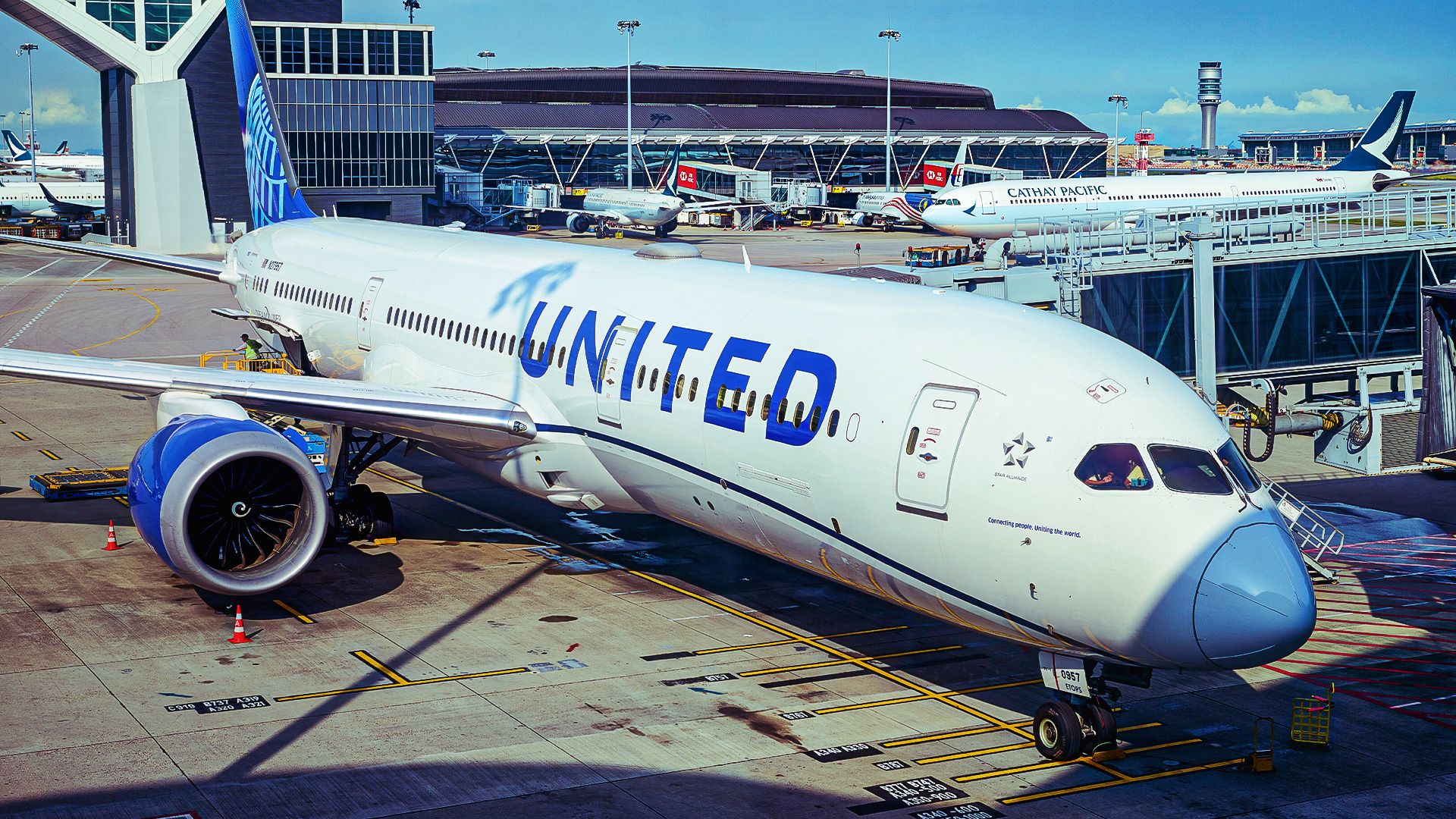
The ongoing evolution of commercial aviation has sparked a critical comparison between the Boeing 787 and the Airbus A330neo as potential replacements for the aging Boeing 767 fleet. Currently, the primary operators of the Boeing 767 are Delta Air Lines and United Airlines. Together, they operate a combined total of 111 Boeing 767s, with Delta flying 58 of the aircraft and United operating 53. Both airlines utilize the 767-300ER and the 767-400ER variants, which are now over 20 years old and, in some cases, approaching 30 years in service.
The Boeing 767 has been a reliable workhorse for these carriers, but its age raises questions about efficiency and operational costs. Airlines are increasingly seeking modern aircraft that offer better fuel efficiency, lower maintenance costs, and enhanced passenger experiences. The 787 and A330neo promise to deliver on these fronts, making them strong contenders for the future of long-haul travel.
Boeing 787: Efficiency and Innovation
The Boeing 787, also known as the Dreamliner, has gained significant traction since its introduction. It features advanced composite materials and cutting-edge aerodynamics, which contribute to its remarkable fuel efficiency. The 787 can reduce fuel consumption by up to 20% compared to older aircraft, making it an attractive option for airlines looking to optimize their operations.
Additionally, the 787 offers improved passenger comfort with larger windows, better cabin pressure, and quieter engines. These features not only enhance the flying experience but also position the 787 as a strong competitor for routes traditionally served by the 767.
Airbus A330neo: A Modern Contender
On the other hand, the Airbus A330neo has also made waves in the aviation industry. With a design that builds on the success of the A330 family, the A330neo incorporates new, fuel-efficient engines, allowing for a similar reduction in fuel consumption as the 787. The A330neo boasts a spacious cabin that can accommodate a range of seating configurations, providing flexibility for airlines.
Moreover, the A330neo’s advanced technology, such as improved aerodynamics and wing designs, enhances its operational efficiency. With these capabilities, the A330neo is well-equipped to meet the rising demands for long-haul travel while offering a modern alternative to the aging 767.
As airlines weigh their options, the decision between the Boeing 787 and Airbus A330neo will significantly influence their fleets and operational strategies. Both aircraft offer compelling advantages, but the choice will ultimately depend on specific airline needs, route structures, and passenger preferences.
In conclusion, while the Boeing 767 has served its operators well over the years, the future of long-haul travel appears to be shifting towards more modern aircraft. As Delta and United consider their next steps in fleet modernization, the comparisons between the 787 and A330neo will likely play a pivotal role in their decisions. Each aircraft presents unique benefits that could redefine how airlines approach long-distance travel in the years to come.