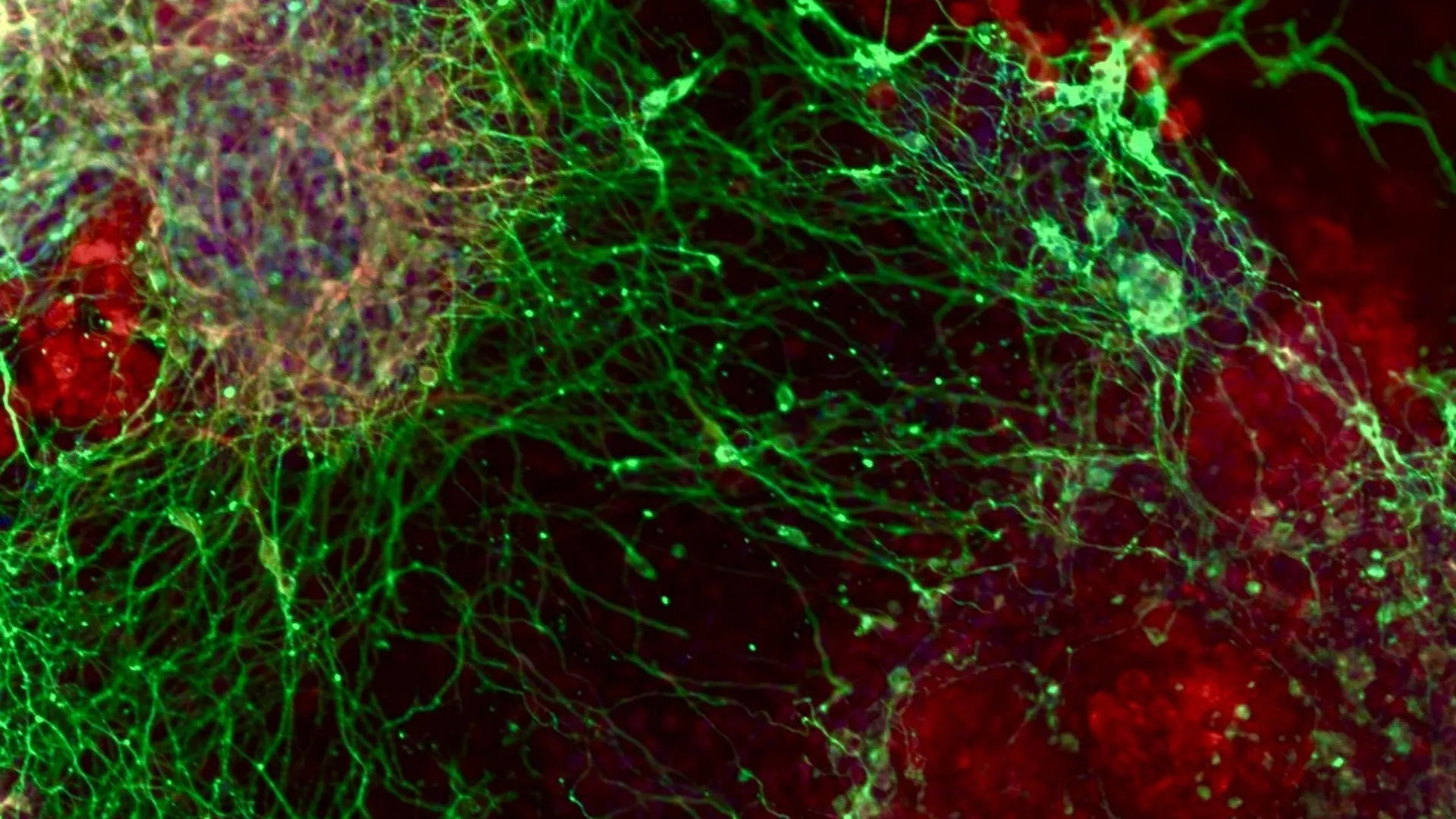
BREAKING: A groundbreaking genetic study has just unveiled crucial insights into how brain cells are formed, identifying 331 genes essential for this process. Conducted by researchers at The Hebrew University of Jerusalem and published on January 5, 2026, in Nature Neuroscience, this extensive gene hunt highlights the significance of the PEDS1 gene, linked to a newly discovered neurodevelopmental disorder affecting children.
Authorities confirm that the research employed advanced gene-editing technology, specifically CRISPR, to systematically analyze nearly 20,000 genes. By disabling these genes in embryonic stem cells, the team, led by Prof. Sagiv Shifman and collaborating with Prof. Binnaz Yalcin from INSERM, France, mapped out the genetic landscape critical for brain cell differentiation.
The study reveals that when the PEDS1 gene is defective, brain growth is severely impaired, leading to developmental delays and reduced brain size in affected children. Genetic tests conducted on two unrelated families showed that children exhibiting severe developmental symptoms carried rare mutations in PEDS1.
Prof. Shifman emphasized the importance of these findings, stating, “This map can help us better understand how the brain develops and identify genes linked to neurodevelopmental disorders that have yet to be discovered.” The implications of this research are profound, offering new avenues for diagnosis, genetic counseling, and potentially targeted therapies for families impacted by such disorders.
The study also highlights significant trends regarding the inheritance of neurodevelopmental disorders. Genes that regulate other genes are often linked to dominant disorders, while metabolic genes like PEDS1 typically follow a recessive inheritance pattern. This understanding could aid researchers in identifying and prioritizing genes associated with these conditions.
Furthermore, the researchers created an “essentiality map” to show when specific genes are active during development. This tool provides critical insights into the genetic mechanisms linked to conditions such as autism and developmental delays, revealing that disruptions occurring early in brain development can lead to these disorders.
To facilitate ongoing research, the team has launched an open online database, allowing scientists worldwide to access the study’s findings. Prof. Shifman noted, “We wanted our findings to serve the entire scientific community, supporting ongoing work on the genes we identified and helping researchers pinpoint additional genes involved in neurodevelopmental disorders.”
This major discovery not only sheds light on the molecular foundations of brain disorders but also lays the groundwork for future research aimed at prevention and treatment. As the scientific community delves deeper into these findings, there is hope for improved genetic diagnostics and interventions for affected families.
Stay tuned for more updates as this story develops, and share this urgent news to raise awareness about the critical role of genetics in brain development and disorders.