The recent shooting of Renee Good, a woman from Minneapolis, has ignited a fierce political debate over law enforcement practices. Good was killed by an agent from Immigration and Customs Enforcement (ICE) during an operation, prompting immediate backlash from local officials and activists. Minneapolis Mayor Jacob Frey and Minnesota Governor Tim Walz condemned the shooting as unnecessary, suggesting that Good was attempting to flee the scene when the incident occurred.
Activist groups, which Good was reportedly involved with, focus on monitoring ICE operations and provide resources for those resisting immigration enforcement. This context has fueled the narrative around the shooting, with Frey stating that the ICE agent “hopped” down the street following the incident, implying injury caused by Good’s vehicle.
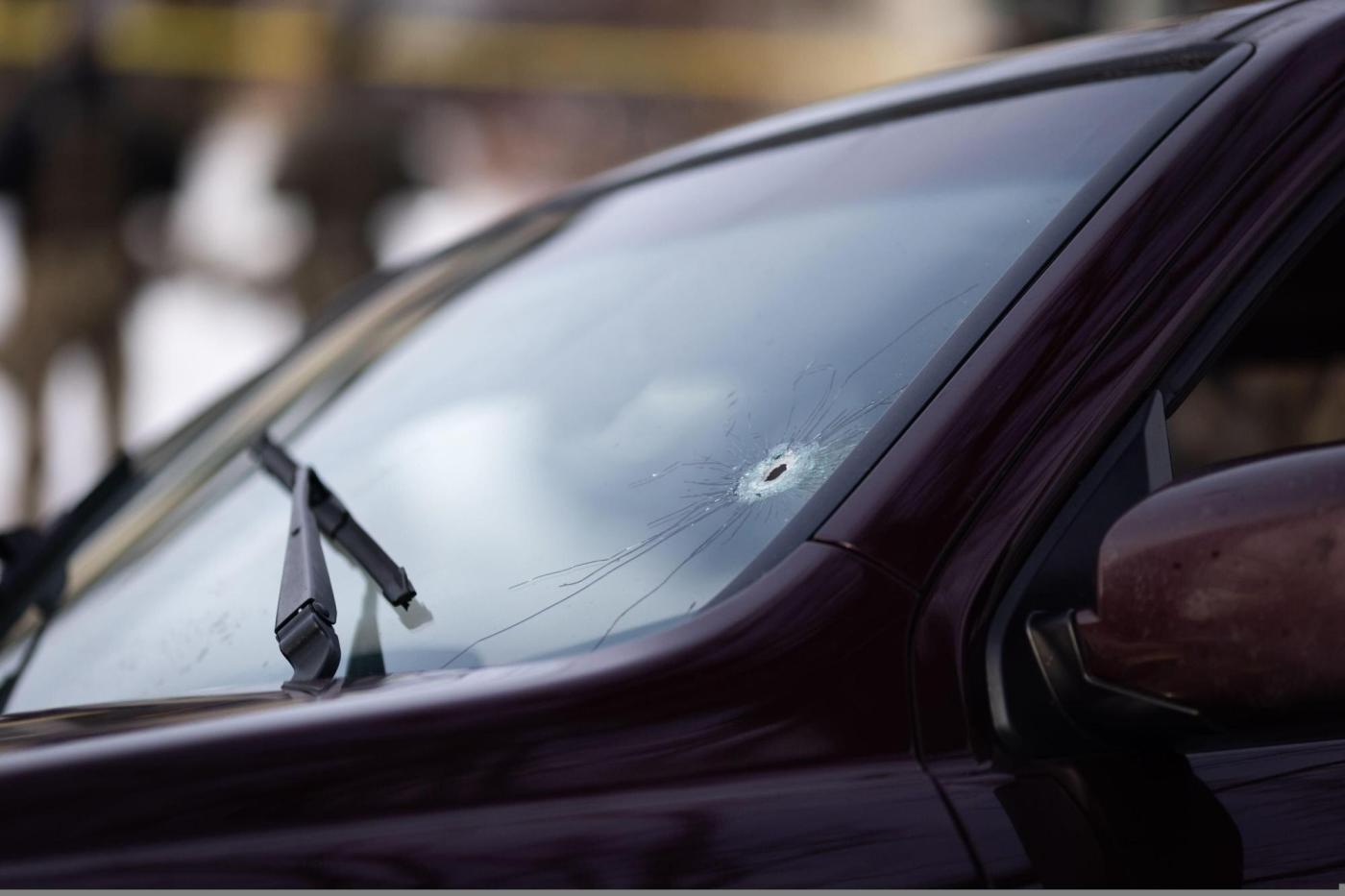
On the other side of the discourse, figures such as Vice President J.D. Vance and Department of Homeland Security Secretary Kristi Noem defended the actions of the law enforcement agents involved. They pointed to a separate incident in Portland, Oregon, where a Customs and Border Protection (CBP) agent opened fire on individuals linked to the Venezuelan criminal group Tren de Aragua. A statement from the DHS indicated that those individuals had “weaponized” their vehicle during a traffic stop, raising questions about the circumstances under which law enforcement is forced to act.
The response from political leaders and activists illustrates the growing divide in perceptions of law enforcement. Critics argue that the Biden administration’s policies have led to an increase in crime and violence, with accusations that it has allowed dangerous individuals into the country. Supporters of the current administration counter that investigations can take time and that immediate reactions often lead to misinterpretations of complex scenarios.
According to the DHS, law enforcement officers are facing unprecedented dangers, with increasing hostility directed towards them. Demonstrators have reportedly hurled objects at agents and demanded that they remove their face coverings to be identified. This hostility towards law enforcement has historical roots, often linked to broader societal issues and movements.
The changing attitudes towards law enforcement reflect a broader cultural shift influenced by academia and social media, where alternative narratives of American history are being promoted. In cities like Minneapolis and Portland, the tension between law enforcement and activist groups continues to escalate, often resulting in confrontations that challenge the very notion of public safety.
Cal Thomas, a political commentator, highlights these issues while urging a return to respect for law enforcement, noting the changes in security protocols at government buildings compared to previous decades. As the situation evolves, it remains to be seen how these incidents will shape the future of immigration enforcement and public perception of law enforcement agencies across the United States.
For further insights and opinions, readers may contact Cal Thomas via email at [email protected].