Vistra Energy has entered into a significant partnership with Meta Platforms, aimed at enhancing nuclear energy production for powering advanced artificial intelligence systems. This collaboration is particularly noteworthy as Meta, known for its ambitious AI initiatives, seeks to bolster energy capacity to support its supercomputing cluster, Prometheus.
According to the International Energy Agency, electricity consumption by data centers is projected to double by 2030, reaching approximately 945 TWh. The rise in demand for energy, driven by hyperscalers like Meta, positions Vistra as a key player in the evolving energy landscape. The partnership not only highlights Vistra’s diversified energy portfolio but also underscores the critical role nuclear power will play in meeting future energy needs.
Vistra, founded in 2016 but with roots dating back to 1882, operates across the electricity value chain. The company manages various energy sources, including natural gas, solar, coal, and nuclear, and boasts a market capitalization of $56.4 billion. Despite only a 5% increase in stock value over the past year, the partnership with Meta is expected to provide a much-needed boost.
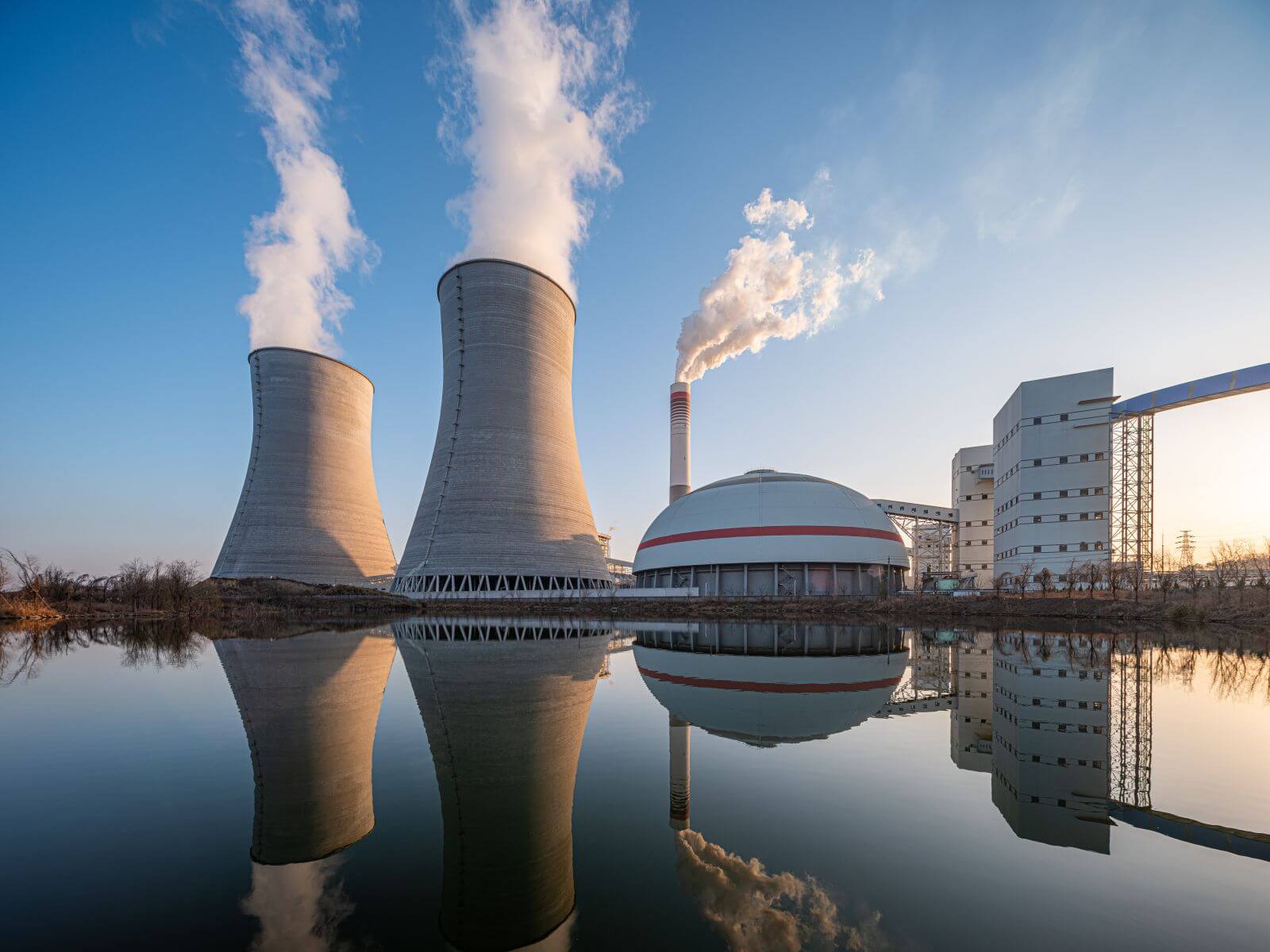
Under the terms of the agreement, Meta will support Vistra’s nuclear power projects in Ohio and Pennsylvania. This initiative aims to enhance energy production and extend the operational lifespan of existing nuclear facilities. Additionally, Meta has secured two 20-year power purchase agreements to acquire a total of 2,609 MW of carbon-free energy from Vistra’s nuclear fleet in the PJM market.
Despite the optimism surrounding the partnership, Vistra’s recent financial performance raises questions. The company has struggled to meet quarterly earnings estimates for the past two years. In the most recent quarter, operating revenues amounted to $4.97 billion, marking a 21% decline compared to the previous year. Earnings per share fell sharply from $5.25 to $1.75, significantly missing estimates of $2.08.
Cash from operations also decreased to $2.64 billion for the nine months ending September 30, 2025. However, Vistra maintains a solid financial position, concluding the quarter with a cash balance of $602 million, exceeding its short-term debt of $231 million.
Valuation metrics indicate that Vistra’s stock is trading at elevated levels, with forward price-to-earnings (P/E), price-to-sales (P/S), and price-to-cash flow (P/CF) ratios of 26.32, 2.87, and 11.62, respectively, all surpassing sector medians.
Looking forward, Vistra is strategically positioned to capitalize on the increasing demand for electricity, particularly from data centers. The company has expanded its focus on solar and battery storage projects, alongside acquiring modern gas plants in Texas. The recent closure of the Comanche Peak deal further emphasizes the growing importance of nuclear energy in meeting the demands of AI-driven power needs.
Vistra’s management anticipates a sustained increase in power demand due to advancements in AI and overall electrification. The company’s approach combines gas peaker plants and battery storage with renewable energy sources to efficiently respond to this demand.
Analysts have responded positively to Vistra’s long-term outlook. The stock currently holds a “Strong Buy” rating, with a mean target price of $242.33, indicating potential upside of approximately 39% from current levels. Out of 19 analysts monitoring the stock, 16 have issued a “Strong Buy” recommendation, while three maintain a “Hold” rating.
As Vistra and Meta embark on this partnership, the implications for both companies and the broader energy sector are significant. The collaboration not only aims to meet immediate energy demands but also positions Vistra to play a pivotal role in the future of energy production for AI technologies.