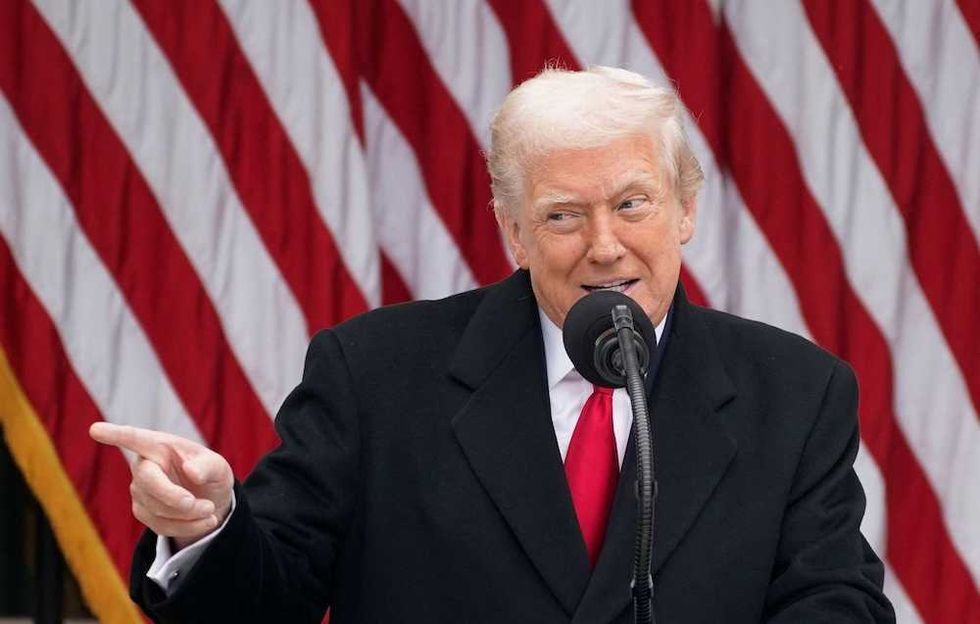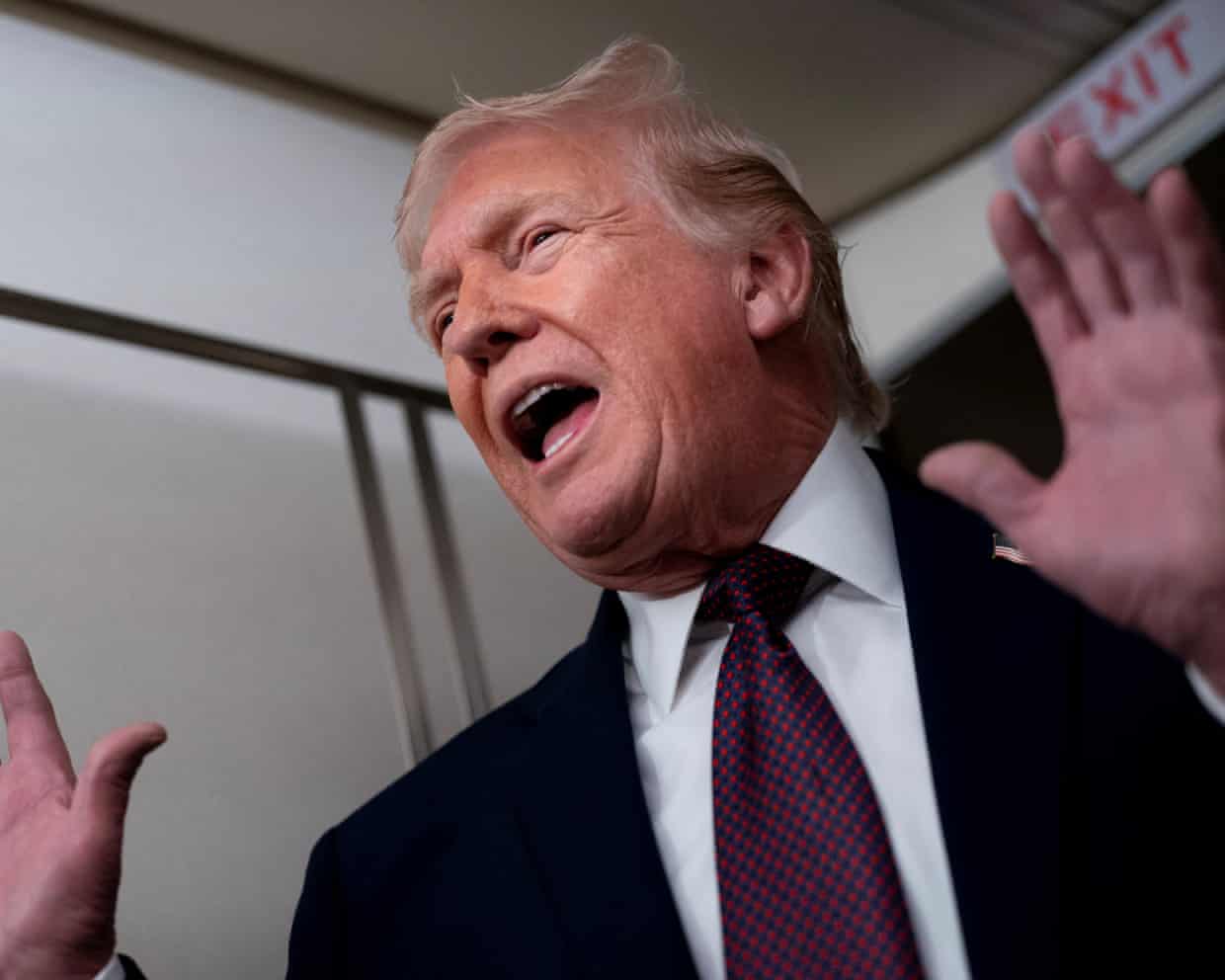
President Donald Trump expressed grave concerns regarding the potential rejection of global trade tariffs by the Supreme Court. Speaking at a press conference, he stated that a ruling against the tariffs could lead to significant economic disruption, describing the situation as one where “we’re screwed.” The Supreme Court is expected to announce its decision as early as Wednesday, March 6, 2024.
In his remarks, Trump emphasized the potential consequences of such a ruling, asserting that it “would be a complete mess” for the United States. The tariffs in question are a central aspect of his administration’s trade policy, aimed at protecting domestic industries from foreign competition. The President warned that without these tariffs, the U.S. economy could experience severe setbacks.
The case before the Supreme Court centers on the legality of tariffs imposed on imports from various countries, particularly targeting products from China. These tariffs have been a contentious point in U.S. trade relations, leading to retaliatory measures from affected nations. Trump’s administration argues that these tariffs are necessary to bolster American manufacturing and safeguard jobs, while opponents claim they lead to higher prices for consumers and strained international relations.
As the nation awaits the Supreme Court’s decision, businesses are preparing for the potential fallout. Analysts predict that a ruling against the tariffs could trigger a wave of changes in trade dynamics, impacting supply chains and pricing strategies across multiple sectors. The uncertainty surrounding the decision has left many in the business community on edge, with leaders urging the administration to clarify its position on trade policy.
The President’s comments come at a time when trade relations are under intense scrutiny. The outcome of this case could not only affect tariffs but also set a precedent for how similar disputes are handled in the future. With global markets reacting to every development, the stakes are high for both the administration and the broader economy.
In addition to economic implications, the ruling could have political ramifications as well. Trump’s administration has heavily relied on the support of manufacturing states, where the impact of tariffs has been most acutely felt. A decision against these tariffs may alienate key voter demographics in the upcoming elections, posing a challenge for the President as he seeks reelection in 2024.
As the court prepares to deliver its verdict, the nation remains focused on the implications of this landmark case. The potential for economic disruption and political fallout looms large, underscoring the importance of the Supreme Court’s decision in shaping the future of U.S. trade policy.