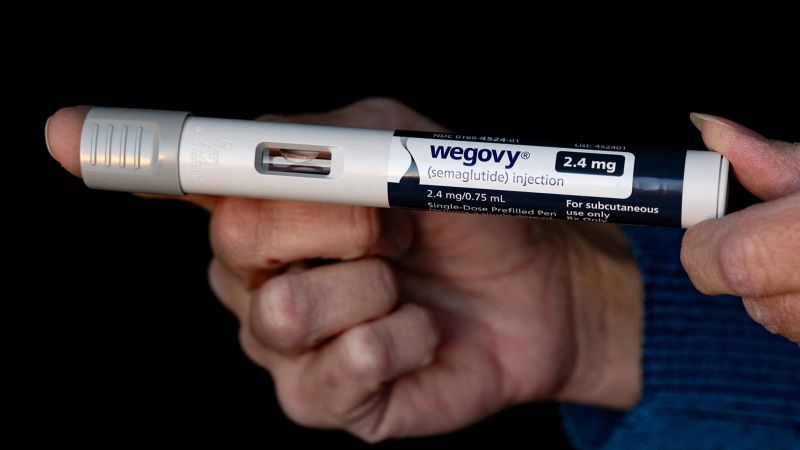
The U.S. Food and Drug Administration (FDA) has requested that pharmaceutical companies eliminate warnings about suicidal thoughts from the labels of GLP-1 weight-loss medications. This includes prominent drugs such as Wegovy from Novo Nordisk and Zepbound from Eli Lilly, as well as Novo’s earlier weight-loss treatment, Saxenda. The FDA’s request follows a thorough review that found no evidence linking GLP-1 receptor agonists to an increased risk of suicidal thoughts or behaviors.
Originally developed to treat type 2 diabetes, GLP-1 receptor agonists function by mimicking a gut hormone that suppresses appetite. This helps users feel fuller, contributing to weight loss. The FDA had previously reached a similar conclusion after a preliminary review in 2024, although it noted that limited data at the time meant it could not completely rule out a potential small risk.
FDA Analysis Confirms Safety of GLP-1 Drugs
On Tuesday, the FDA released the findings of its latest analysis, which reviewed data from 91 placebo-controlled clinical trials involving a total of 107,910 patients. Of these, 60,338 were administered a GLP-1 drug, while 47,572 received a placebo. The results indicated no increase in the risk of suicidal thoughts or behaviors among those treated with GLP-1 drugs compared to those given a placebo. Additionally, the analysis found no significant rise in other psychiatric side effects, such as anxiety, depression, irritability, or psychosis.
The FDA’s rigorous examination of clinical trial data reassures both patients and healthcare providers regarding the safety profile of these medications. The decision to revise the labeling comes as demand for weight-loss treatments continues to grow, with GLP-1 drugs gaining recognition for their effectiveness in managing obesity.
Eli Lilly and Novo Nordisk have yet to respond to requests for comments from various media outlets regarding the FDA’s latest ruling. The removal of these warnings may pave the way for increased confidence among patients considering these weight-loss options.
As the landscape of weight management evolves, the FDA’s latest findings underscore the importance of ongoing research and monitoring. With these drugs playing a crucial role in treating obesity, ensuring their safety remains paramount for public health.