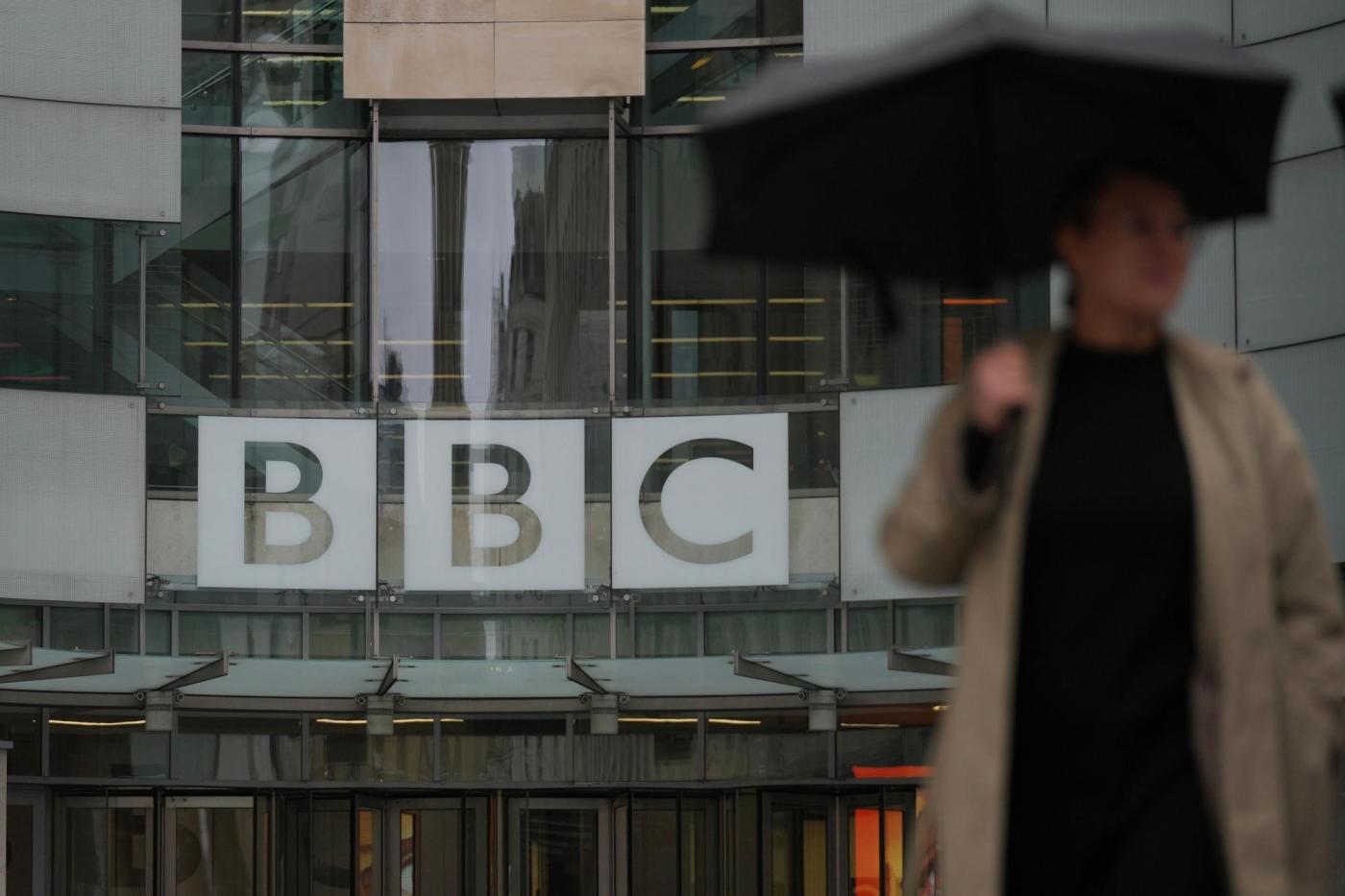
The BBC is seeking to dismiss a $10 billion lawsuit filed by former President Donald Trump regarding an edited version of his speech from January 6, 2021. In his lawsuit, Trump alleges that the BBC misrepresented his words in a documentary that aired shortly before the 2024 U.S. presidential election. The legal action, which was initiated in December, claims $5 billion in defamation damages and another $5 billion related to unfair trade practices.
Central to the lawsuit is a controversial segment from Trump’s speech delivered before his supporters stormed the U.S. Capitol. The BBC’s documentary, titled “Trump: A Second Chance,” reportedly spliced together quotes from two separate parts of the address. This editing created the impression that Trump was urging his supporters to “fight like hell,” while omitting parts where he called for peaceful demonstration.
While the BBC has expressed regret over the editing, it firmly denies any allegations of defamation. The broadcasting company plans to file a motion to dismiss the lawsuit on March 17, 2024, in the U.S. District Court in Miami. According to court documents, the BBC argues that the court lacks jurisdiction, as the documentary was neither produced nor broadcast in Florida. Furthermore, the BBC contends that Trump’s claim regarding the documentary’s availability on the streaming service BritBox is inaccurate.
The BBC has also requested that the discovery process be delayed. In a statement, Charles Tobin, a lawyer representing the BBC, highlighted the potential burdens and costs that could arise if discovery proceeds while the motion to dismiss is pending.
Should the lawsuit continue, a trial date has been tentatively set for 2027. In a statement, the BBC affirmed its commitment to defending against the claims, stating, “As we have made clear previously, we will be defending this case. We are not going to make further comment on ongoing legal proceedings.”
This legal battle underscores the complexities surrounding media representation and political speech in the age of digital broadcasting, where edited content can significantly impact public perception. As the case unfolds, it will likely draw scrutiny not only from legal experts but also from the media and political communities.