As the New Year begins, many individuals find themselves grappling with grey winter weather and an overwhelming sense of socio-economic and political stress. In this context, the importance of connecting with nature emerges as a compelling remedy for issues such as distress, anxiety, and depression. The evidence supporting the therapeutic benefits of nature is increasingly clear.
Suicide rates in the United States are among the highest in wealthy nations, with a rate of 15.6 per 100,000 people in 2024, ranking 26th out of 183 countries. This statistic starkly contrasts with Mexico’s rate of 7 and Canada’s rate of 9.4. Despite spending approximately $15,000 per capita on healthcare—significantly more than any other nation—the U.S. continues to experience troubling health outcomes, including declining life expectancy.
In the mid-20th century, Americans enjoyed longer lifespans than many in advanced economies. However, by 2019, life expectancy in the U.S. had dropped to 79.6 years, placing the country 48th globally, behind nations like Panama and Albania. Countries such as Japan and South Korea report life expectancies exceeding 85 years. Moreover, the U.S. has recently fallen to 24th place in the 2025 World Happiness Report, its lowest ranking since the report’s inception in 2012. Experts attribute this decline to rising political polarization and diminishing social connections.
The connection between high GDP per capita—currently at $89,599—and poor health outcomes raises critical questions. Research from the Peterson-KFF Health System Tracker highlights that high costs for medical services and prescription drugs, alongside lifestyle factors such as obesity and income inequality, contribute to lower longevity. Additionally, a report from the Congressional Budget Office indicates that certain policy changes could result in 17 million individuals losing their health insurance.
The mental health landscape is also evolving, with providers noting an increase in demand for services related to political discord. This surge has led to heightened levels of stress, anxiety, and sleep disruption among the population. Notably, approximately 5% of Americans have considered suicide as a result of the current political climate.
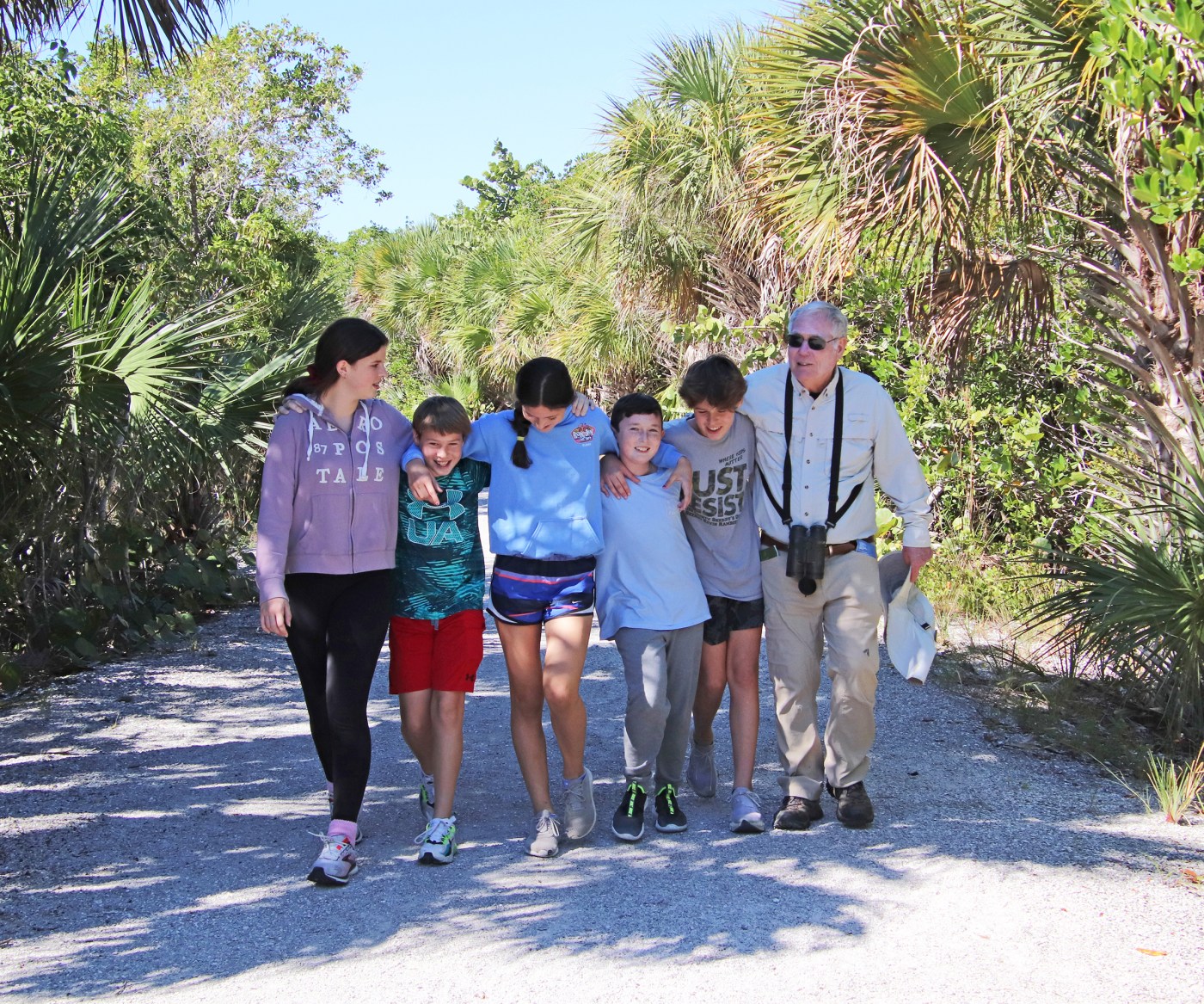
The urgency of seeking solace in nature cannot be overstated. Research increasingly documents the health benefits of spending time outdoors, including reduced risks of mental illness and chronic diseases. For children, outdoor activities promote curiosity, independence, and improved cognitive and social skills.
Access to nature need not involve extensive travel. Many communities boast public parks and green spaces. For instance, Anne Arundel County offers over 140 parks and sanctuaries, encompassing 7,160 acres of recreational land. Parks such as Quiet Waters Park, Downs Park, and Beverly-Triton Nature Park provide ample opportunities for outdoor exploration and connection with nature.
Engaging in activities like forest bathing can enhance well-being by lowering blood pressure and improving mental health. For those interested in birdwatching, the Anne Arundel Bird Club offers guided walks at various parks, fostering social interaction and appreciation for wildlife.
The U.S. Surgeon General issued a health advisory in 2023 highlighting a significant epidemic of loneliness, with 50% of American adults reporting feelings of isolation. This loneliness is linked to increased risks for cardiovascular disease, dementia, and other serious health outcomes, paralleling the health risks associated with smoking.
The solution lies in creating opportunities for social connections in natural settings. Nature can serve as a powerful antidote to the isolation many experience, allowing individuals to form meaningful relationships while enjoying the outdoors. Joining local groups, such as the Anne Arundel Bird Club, can facilitate connections with other nature enthusiasts and enhance community engagement.
As society navigates these challenging times, the call to reconnect with nature becomes increasingly vital. By embracing the natural world, individuals may find the comfort and solace they seek, improving both their physical and mental health. The beauty of nature offers a pathway to healing, inviting all to step outside and experience its wonders.