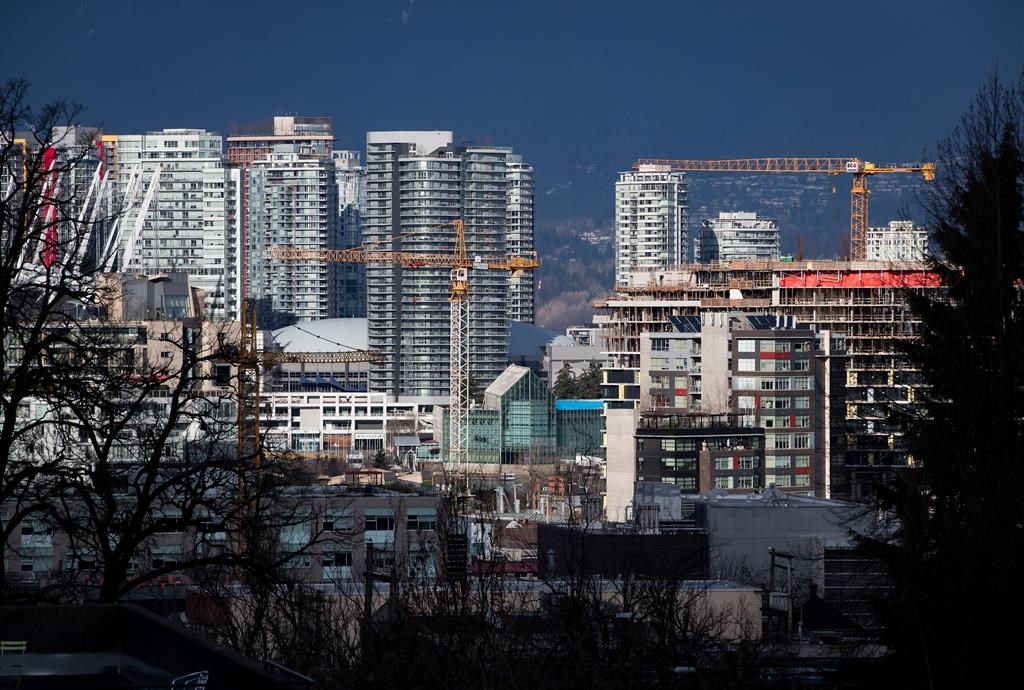
Sales of presale condominiums in Metro Vancouver have experienced a significant decline, with estimates suggesting a drop of over 50% compared to previous years. This downturn reflects broader challenges in the housing market, characterized by reduced activity and falling prices.
According to Mike Stewart, a Vancouver-based Realtor with two decades of experience specializing in presales, the economic climate has led to buyer hesitancy. “It’s a dramatic fall off,” he remarked during an interview with 1130 NewsRadio. Stewart highlighted that this slowdown is evident in extended sales cycles and, in some instances, stalled or canceled projects. “All the time. Yeah, it’s happening a lot right now,” he noted, referring to the frequency of project cancellations.
Despite the protective measures in place for presale deposits in British Columbia, which allow buyers to recover their funds if a project is canceled, the lost time can have financial repercussions for prospective homeowners. Stewart emphasized the impact of this situation, stating, “That’s money they could have invested years ago. So it’s very unfortunate.”
Factors Behind the Decline
Stewart attributes the struggles of the presale condo market mainly to economic uncertainty and a lack of buyer confidence. Potential investors and first-time buyers are hesitant to commit to projects that will take several years to complete. “People who are looking to make major purchases want certainty; they don’t want uncertainty,” he explained.
Developers are also facing challenges, including rising costs, increased regulatory pressures, and softer resale prices. These factors have collectively made presales a tougher market to navigate. Stewart criticized government policies, suggesting that both the provincial and federal governments are contributing to the problem. “If the government focused on the simple things like building our wealth, keeping costs low, life would be better for everybody,” he stated.
He added that the current regulatory and taxation environment is hindering young people’s ability to establish themselves and form families. “Housing and real estate is how young people get ahead in life,” he noted, highlighting the critical role that accessible housing plays in personal and economic development.
Further complicating the situation are pressures from U.S. tariffs and uncertainty surrounding trade discussions with Donald Trump, which have added layers of complexity for developers and potential buyers alike.
Future Implications for Housing Supply
Looking ahead, Stewart warns that the slowdown in presale activity could lead to significant repercussions in Metro Vancouver’s housing supply over the coming years. He cautioned that the lack of new housing creation might set the stage for a future surge in prices. “Right now we have very little new housing creation occurring,” he explained.
As the population continues to grow, the demand for housing will increase, potentially leading to a market imbalance. “What the governments are doing, particularly the provincial government, is sowing the seeds of a future surge in real estate prices,” Stewart concluded, indicating a need for a reevaluation of current policies to promote housing development and affordability.
In summary, the challenges facing Metro Vancouver’s presale condo market reflect broader economic uncertainties and regulatory hurdles. With a significant decline in sales and ongoing concerns about housing supply, the region’s real estate landscape may see notable shifts in the near future.