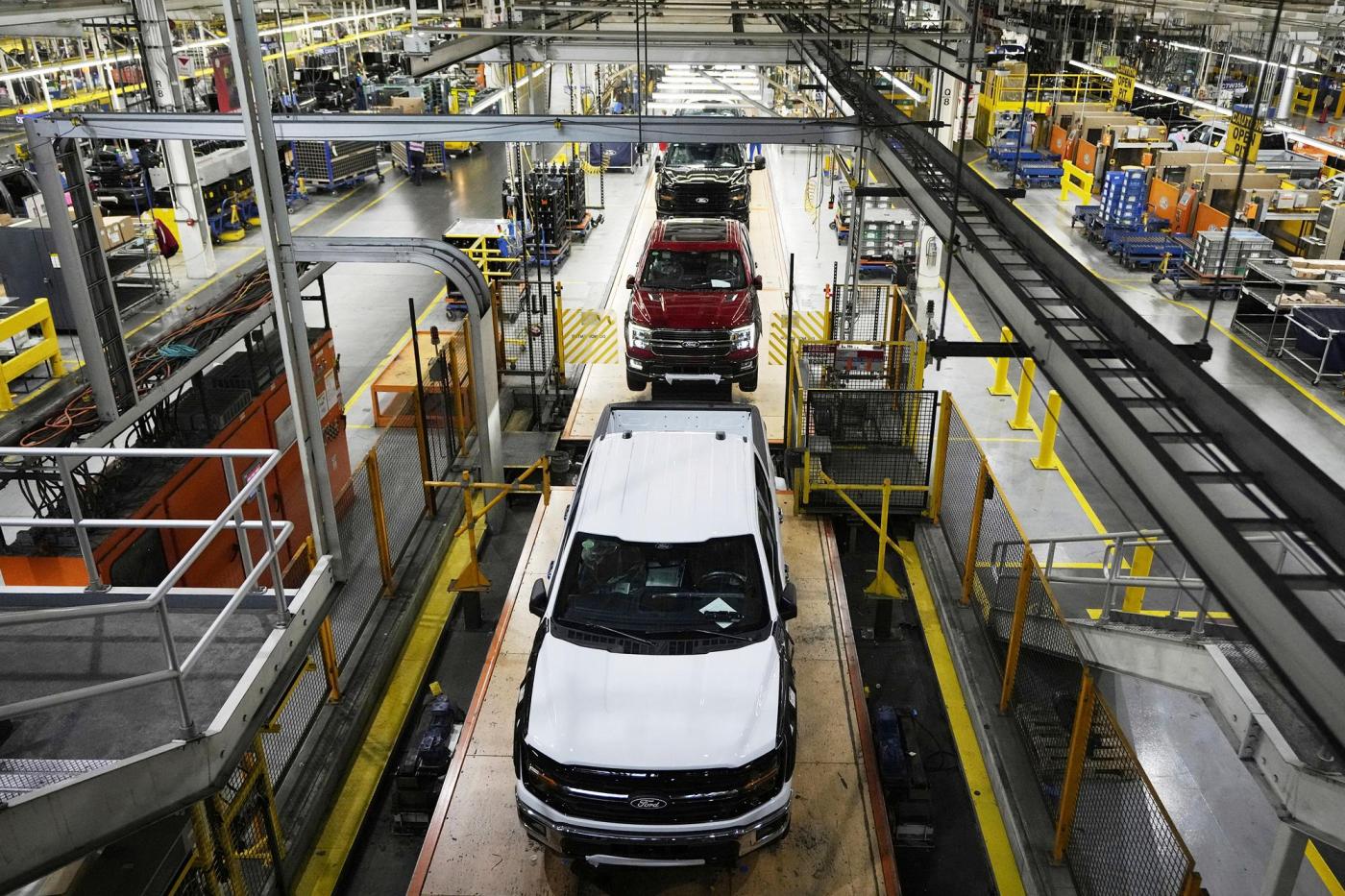
American manufacturing continues to face significant challenges, with a reported loss of 68,000 jobs over the past year. Data from the Bureau of Labor Statistics indicates that by the end of 2025, the sector has experienced an eight-month decline in employment. Concurrently, surveys conducted by the Institute for Supply Management reveal that U.S. manufacturing activity has decreased for ten consecutive months, culminating in a low point in December.
Despite claims from the White House regarding an “American manufacturing boom” under former President Donald Trump, the anticipated resurgence in manufacturing has not yet materialized. Trump’s administration has emphasized tariffs as a crucial instrument for revitalizing the sector, citing trillions of dollars in new investments. However, experts express skepticism about the effectiveness of these tariffs in achieving the desired outcomes.
Jay Zagorsky, a business professor, likens the manufacturing sector to a large ship that takes considerable time to turn. While tariffs aim to encourage domestic production, the complexities involved in establishing factories—including permitting, construction, and training—slow the process. Peter Mueser, a labor economist at the University of Missouri, concurs, noting that while tariffs theoretically should enhance domestic manufacturing, the pace of change is gradual.
Uncertainty surrounding tariff policies further complicates matters. Mueser points out that manufacturers are hesitant to commit to expansion plans due to fluctuating tariff rates. “Large tariffs have been imposed, and then they’ve been reduced or eliminated,” he stated. This unpredictability raises concerns among manufacturers about the future landscape of tariffs, especially with the Supreme Court currently evaluating Trump’s authority to impose tariffs under the International Emergency Economic Powers Act.
Zagorsky notes that many manufacturers are in a holding pattern, weighing the decision to build factories in the United States. “I think people are just waiting for the Supreme Court,” he commented, indicating that the outcome could significantly influence investment decisions. While tariffs have not yet succeeded in reversing the decline in manufacturing jobs, Zagorsky acknowledges that they have effectively generated revenue for the federal government. He describes the current situation as one causing “confusion and consternation” among stakeholders.
The National Association of Manufacturers (NAM) has voiced concerns that tariffs may be detrimental to manufacturers. According to their latest survey, trade uncertainties are the primary concern for the majority of manufacturers, with 80% reporting they have been paying tariffs on imported manufacturing inputs since early 2025. NAM President and CEO Jay Timmons has emphasized the desire for trade agreements that feature zero tariffs, ensuring access to essential minerals and products sourced from international suppliers.
As the discussion around reshoring manufacturing continues, both Mueser and Zagorsky highlight the potential cost implications for American consumers. Manufacturing in the United States typically incurs higher costs than in countries like the Philippines or China due to elevated wage standards. Mueser argues that while reshoring may occur, it could lead to increased prices for consumers, which is why many economists advocate for free trade.
Zagorsky underscores the importance of national security in the context of supply chain dependencies. He advocates for diversifying supply chains to ensure access to critical goods from allied nations, rather than relying solely on domestic production. This approach could enhance national security while addressing the complexities inherent in reshoring manufacturing.
As the future of U.S. manufacturing hangs in the balance, the interplay between tariffs, economic policy, and international trade will continue to shape the landscape. The decisions made in the coming months will be crucial for the industry, with significant implications for employment and economic stability.