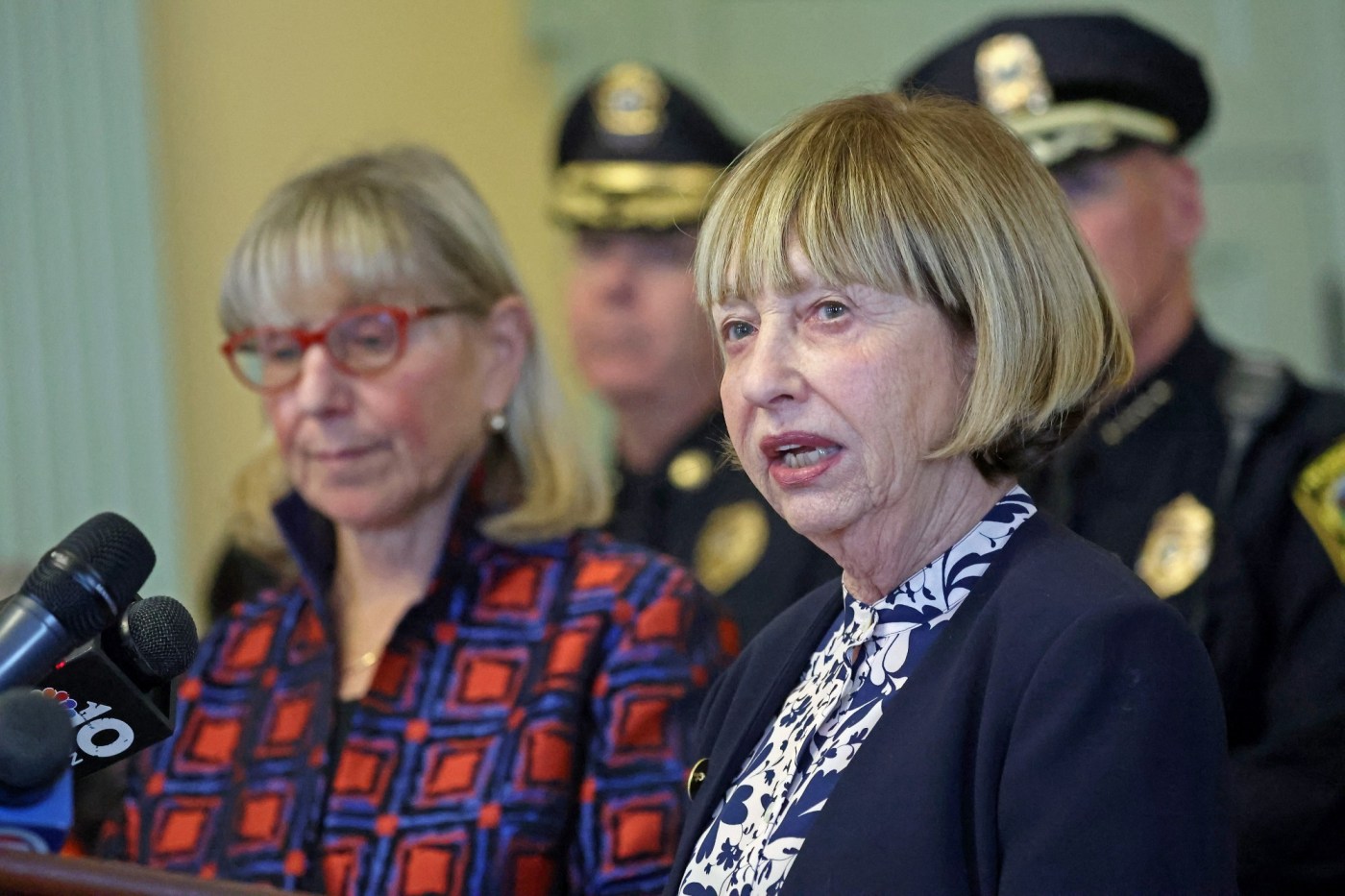
URGENT UPDATE: Massachusetts State Senator Cynthia Stone Creem faces growing backlash over her controversial driving limit bill aimed at achieving climate goals. The proposed legislation, officially titled “An Act Aligning the Commonwealth’s Transportation Plan with its Mandates and Goals for Reducing Emissions and Vehicle Miles Traveled,” is under fire for perceived government overreach into citizens’ daily driving habits.
The bill mandates that the Massachusetts Department of Transportation (MassDOT) establish goals for reducing the total distance residents can drive in their personal vehicles. Critics argue this will limit personal freedom rather than expand transportation options as claimed. Stone Creem insists the bill enhances public transportation and does not impose penalties on drivers, stating, “It does not limit people’s choices about how to get around.”
However, the legislation’s summary reveals that MassDOT will be required to set specific targets for reducing statewide driving miles, which could significantly impact how citizens commute. This requirement has raised alarms among both residents and officials, with some questioning the bill’s equity, particularly for those living in rural areas who may rely more heavily on personal vehicles.
Senator Michael Barrett, co-chair of the Joint Committee on Telecommunications, Utilities and Energy, voiced his concerns, stating, “I do worry about an unintended and subtle bias against rural Massachusetts.” He noted that people in these areas often have longer commutes, making them more vulnerable to the potential restrictions of the bill.
As the COVID-19 pandemic continues to reshape working patterns, data from TD Economics shows that Boston’s commercial vacancy rate surged to 15.1% in the third quarter of 2025, a staggering 114% increase compared to pre-pandemic levels. Remote work has reduced vehicle miles traveled, a trend that may undermine the bill’s premise that further restrictions are necessary for climate goals.
The legislation’s supporters, including analysts from the Union of Concerned Scientists, argue that it addresses the largest source of emissions in the Commonwealth and fills a crucial gap in current environmental policy. However, critics remind lawmakers that previous proposals, such as a gas tax increase, failed due to concerns over its long-term viability.
The bill’s implications extend beyond mere driving limits; it could potentially jeopardize regional transportation plans if they do not align with the newly established vehicle miles traveled targets. This could further complicate transportation improvements across the state, particularly in less urbanized areas where public transit options are limited.
The urgency of the bill and its potential consequences have sparked widespread debate among lawmakers and constituents alike. As discussions continue, Massachusetts residents are urged to stay informed about how this legislation could reshape their commuting habits and the state’s overall approach to climate initiatives.
Next Steps: The Joint Committee will hold further hearings to address public concerns and gather additional testimony. Stakeholders from various sectors, including environmental groups and rural advocates, are expected to weigh in as the conversation evolves.
This developing story highlights the tension between climate action and individual freedom, raising critical questions about the future of transportation in Massachusetts. Stay tuned for updates as this situation unfolds.