The University of Tulsa’s computer simulation and gaming (CSG) program has been recognized as the top game design program in Oklahoma, according to a recent ranking by the publisher Animation Career Review. This ranking reflects a comprehensive assessment based on surveys, data from the U.S. Department of Education College Scorecard, academic reputation, and admission selectivity.
Akram Taghavi-Burris, M.Ed., who serves as the program coordinator and instructor, highlighted that the program’s unique holistic approach distinguishes it from others. He stated, “Unlike programs that emphasize only design or development, UTulsa’s curriculum is intentionally interdisciplinary, blending computer science, visual arts, sound, storytelling, and emerging technologies.” This approach prepares students to thrive in an ever-evolving industry.
The CSG program comprises 30 credit hours of core fundamentals. Students begin by exploring the reasons behind gaming engagement, progressing to acquire essential skills in game programming, 3D modeling, and level design. Additionally, the program offers a minor in computer science and art, allowing for a well-rounded educational experience.
Students can choose from various specializations, with 24 credit hours dedicated to concentrated studies in areas such as animation, game design, development, production, sound design, visual arts, and simulation. This structure ensures that graduates possess a versatile skillset applicable in diverse fields such as entertainment, education, healthcare, and aerospace.
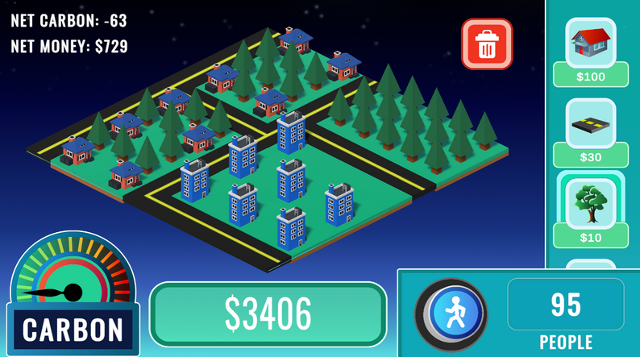
Collaboration is a key element of the program. Taghavi-Burris emphasized that students work together across disciplines on a multi-semester senior capstone project. Senior production students are tasked with developing a complete game, while 3D animation students create cinematic cutscenes. In partnership with the School of Music, students enrolled in the video game scoring course produce original scores, sound effects, and dialogue.
Over two semesters, these senior production teams integrate various assets into a polished final game. This practical experience mimics real-world production environments, equipping students with industry-ready skills before graduation. Taghavi-Burris stated, “CSG is more than just writing code. It is a creative and collaborative process,” underscoring the program’s emphasis on teamwork and creativity.
The CSG program is designed to be inclusive, allowing students from all backgrounds and skill levels to pursue a major or minor. For more information about the program, interested individuals can visit the CSG program page or explore the CSG program blog for the latest news and updates.