Authorities in Australia are navigating a dual crisis involving recent shark attacks and the investigation into the death of a woman, which may be linked to dingo activity. The 19-year-old Canadian woman was found deceased on the beach at K’gari, formerly known as Fraser Island, prompting an urgent investigation by local police.
The woman, who has not been publicly identified, was declared dead early on January 1, 2024. Her body was discovered by two men who noticed a group of approximately ten dingoes surrounding it. Police Inspector Paul Algie confirmed that “markings on her body [were] consistent with having been touched and interfered with by the dingoes.” While the investigation is ongoing, Algie noted that it is also plausible she may have drowned while swimming near the Maheno shipwreck, a well-known tourist site.
Algie reported that the woman had been working at a tourist accommodation on the island for about six weeks, and there were no indications she was unwell at the time of her death. “She was a young, healthy Canadian woman who was enjoying the trip of a lifetime,” he stated. Authorities expect to determine the cause of death by January 3, 2024.
As investigations continue, Algie cautioned the public to avoid approaching dingoes, a protected species in K’gari’s World Heritage-listed national park. Although attacks on humans are rare, they can occur; a group of dingoes nearly killed a jogger in the same area in 2023.
Shark Attacks Prompt Widespread Beach Closures
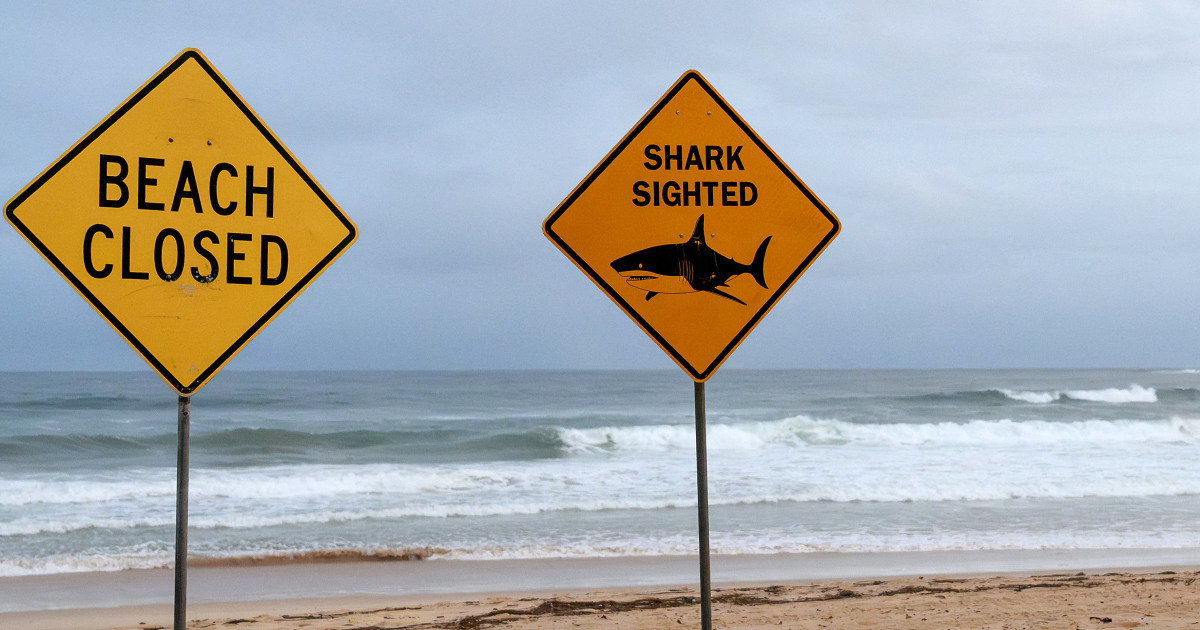
In a separate incident, dozens of beaches along the New South Wales coast were closed on January 2, 2024, following a series of shark attacks that left two individuals in critical condition. The closures came after a 39-year-old surfer sustained minor injuries during an attack at Point Plomer, located approximately 250 miles north of Sydney. Steve Pearce, chief executive of Surf Life Saving New South Wales, advised beachgoers to refrain from swimming, suggesting they use local pools instead.
Recent heavy rainfall has caused murky water conditions, making bull sharks more active, according to Pearce. In Sydney, a surfer in his 20s suffered serious leg injuries from a shark bite at North Steyne Beach in the Northern Beaches area. This individual is currently in critical condition.
Northern Beaches Mayor Sue Heins expressed her shock and sorrow regarding the incidents, referencing the recent death of Mercury Psillakis, a 57-year-old surfer killed by a great white shark in September 2023. “Many are still grieving the loss of Mercury Psillakis, and we are all shocked this can have happened again so soon on our beaches,” Heins stated.
On the same day, a young boy narrowly escaped serious injury when a shark bit a chunk out of his surfboard at Dee Why Beach. The local authorities have closed all beaches in the Northern Beaches area through at least January 3, 2024, as a precaution.
Adding to the alarming trend, a 12-year-old boy was attacked by a shark while jumping off rocks with friends near Shark Beach in the eastern Sydney suburb of Vaucluse. He suffered severe injuries to both legs.
In light of these developments, organizers for the upcoming Sydney Harbour Splash, an ocean swimming event scheduled for January 26, 2024, announced the cancellation of the event to show respect for the young boy who was attacked and his family.
During this time of year, Australian beaches are typically bustling with locals and tourists, as it is the height of the Southern Hemisphere summer. Despite frequent media reports, both shark and dingo attacks remain uncommon. The Australian Shark Attack File indicates an average of 20 injury-causing shark incidents each year, with fewer than three fatalities annually. In comparison, drowning and road accidents claim significantly more lives.
As the investigation into the woman’s death continues and authorities address the rising number of shark incidents, public safety remains the top priority for officials and beachgoers alike.